

Ram Navami: History, Rituals, Significance, and Hidden Spiritual Meaning
Explore the true meaning of Ram Navami, its history, rituals, cultural traditions, spiritual symbolism, and hidden lessons from Ram Ji’s life. Learn how Ram Navami is celebrated across India and why its teachings still matter today.
CULTURE/TRADITIONINDIA/BHARATCELEBRATION/FESTIVALS
Jagdish Nishad
3/17/20265 min read
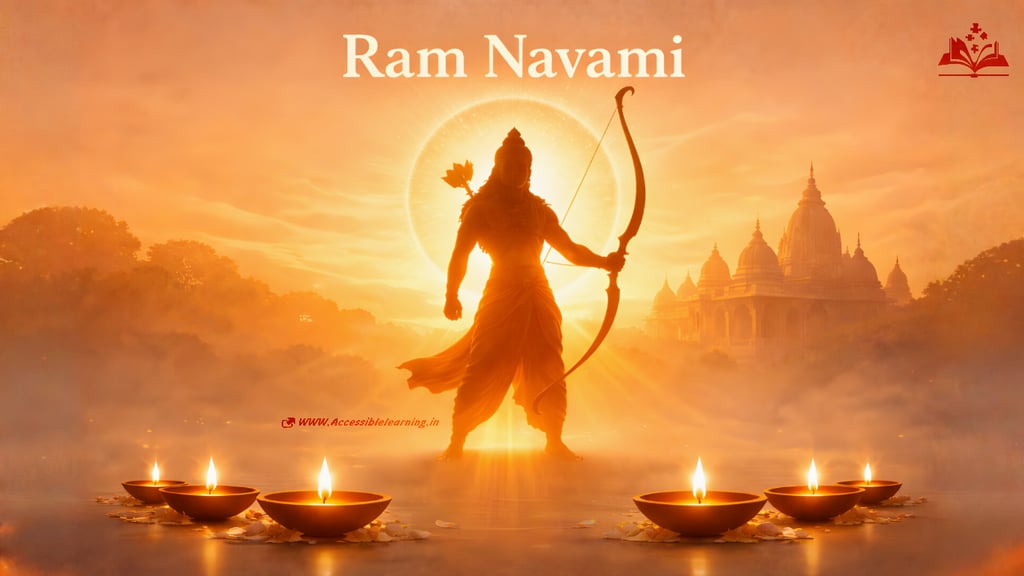
Ram Navami is one of the most sacred Hindu festivals, celebrated as the birth anniversary of Ram Ji, the seventh incarnation of Vishnu Ji. It falls on the ninth day of the Chaitra month in the Hindu lunar calendar, usually in March or April. While many people know Ram Navami as a religious celebration, its deeper meaning connects to leadership, inner discipline, cultural unity, and spiritual growth.
This article explores Ram Navami in depth, including historical roots, rituals, lesser-known traditions, philosophical meanings, global influence, and modern relevance.
Historical Background of Ram Navami
Ram Navami is rooted in the ancient epic Ramayan, attributed to Maharishi Valmiki. King Dasharatha of Ayodhya performed the Putrakameshti Yajna to have children. From the divine offering, Vishnu Ji incarnated as Ram Ji, born to Queen Kaushalya.
This event symbolized divine intervention to restore balance in the world when evil forces like Ravan had become powerful. Ancient scriptures mention Ram Ji’s birth as a turning point in cosmic balance. His life showed that dharma can be upheld through patience and wisdom, not only strength.
Why Rama Is Called Maryada Purushottam
Ram is known as Maryada Purushottam, meaning the ideal human who followed moral boundaries. Unlike other divine figures who used miracles, Rama lived like a human:
Accepted exile without protest
Respected his father’s promise
Stayed loyal to Maa Sita
Ruled Ayodhya with fairness
His life teaches that greatness comes from discipline and character. Hidden interpretation:
Ram = balanced mind
Ravan = uncontrolled ego
Sita = purity of soul
Hanuman = devotion in action
Lakshman = focused discipline
Ram Navami celebrates these qualities inside every person.
Connection Between Ram Navami and Vasant Navratri
Ram Navami comes during Chaitra Navratri, the spring Navratri dedicated to Maa Durga. This timing has symbolic meaning:
Navratri represents purification
Ram Navami represents rebirth of righteousness
It shows that after inner cleansing, wisdom is born. Spring season itself represents renewal, growth, and new beginnings.
Astrological Significance
According to astrology:
Sun in Aries (symbol of courage)
Moon in Cancer (symbol of compassion)
Ram Ji’s birth combines strength and kindness. This balance is considered ideal for leadership. Many devotees perform prayers exactly at noon, believed to be Ram Ji’s birth time.

Ram Navami Celebrations Across India
Ayodhya (Uttar Pradesh)
The grandest celebrations happen in Ayodhya.
Sarayu river holy bath
Temple decorations
Massive processions
Continuous Ramayana chanting
South India
In Tamil Nadu, Karnataka, and Andhra Pradesh:
Panakam and Kosambari prasad
Kalyanotsavam (symbolic marriage of Ram and Sita)
Classical music performances
Maharashtra
Ram Raksha Stotra chanting
Bhajans and kirtans
Community feasts
Gujarat and Rajasthan
Ramayan drama performances
Folk singing traditions
Nepal (Janakpur)
Celebrations also happen in Sita Ji’s birthplace.
Ram Navami Rituals Explained
Fasting
Many devotees fast until noon. Purpose:
Control desires and focus the mind.
Ramayan Reading
Entire Ramayan or Sundarkand is recited.
This tradition was central in ancient India.
Birth Celebration
At noon:
Bells ring
Conch blows
Baby Ram idol placed in cradle
This symbolizes divine joy entering life.
Charity
Feeding poor people and donating clothes is common.
Helping others is seen as serving Rama.
Foods Prepared on Ram Navami
Traditional foods are light and sattvic:
Panakam (jaggery drink with spices)
Kosambari salad
Sabudana khichdi
Fruits and milk
Sweet rice or kheer
These foods cool the body during summer and support fasting.
Lesser-Known Traditions and Hidden Cultural Aspects
Ram Navami in Villages
In many villages, people perform night-long storytelling sessions of the Ramayan.
Folk Ramayan Versions
Every region has its own Ramayan version, such as:
Ramcharitmanas (Tulsidas)
Kamba Ramayanam (Tamil)
Adhyatma Ramayana (Kerala)
Each reflects local culture.
Ram Navami and Classical Arts
Bharatanatyam, Kathakali, and Yakshagana performances depict Rama’s life.
Southeast Asian Influence
Countries like Indonesia, Thailand, Laos, and Cambodia celebrate Ramayan traditions through dance dramas.
Symbolism of Ram Navami in Daily Life
Ram Navami teaches life principles:
Speak truth even when difficult
Stay loyal in relationships
Control anger and ego
Respect parents and teachers
Lead with fairness
Ram Ji’s life shows how to stay ethical in tough situations.


Ram Rajya: The Ideal Society
Ram Ji’s rule is described as Ram Rajya, where:
Justice was equal
No hunger or fear
Honest leadership
Social harmony
Many leaders refer to Ram Rajya as an example of good governance. It represents a society based on trust and responsibility.
Environmental Meaning of Ram Navami
Ram lived close to nature during exile. Modern lessons:
Protect forests
Respect wildlife
Live simply
Avoid waste
Many communities now plant trees on Ram Navami.
Ram Navami in Modern Urban Life
In cities, celebrations include:
Online Ramayan readings
Community temple events
Charity drives
Cultural competitions
Families teach children values through storytelling. Digital platforms have helped spread Ramayan globally.
Psychological Meaning of Ram Navami
From a personal growth view:
Ravan represents negative thoughts
Lanka represents attachment
Bridge to Lanka represents discipline
Victory represents self-control
Ram Navami is about winning inner battles.
Women in Ramayan and Ram Navami
Women play key roles:
Kaushalya’s patience
Sita’s strength
Shabari’s devotion
Mandodari’s wisdom
Ram Navami also honors feminine courage and loyalty.
Ram Navami and Music Traditions
Bhajans dedicated to Ram have been sung for centuries. Famous composers:
Tulsidas
Tyagaraja
Annamacharya
Carnatic music festivals often include Ram kritis. Music is considered a path of devotion.
Economic and Social Impact
Ram Navami supports local economies:
Flower markets
Sweet shops
Decoration vendors
Pilgrimage tourism
Festivals also strengthen community bonding.
Ram Navami Around the World
The Indian diaspora celebrates in:
USA
UK
Mauritius
Fiji
Trinidad
Temples organize processions and cultural shows. The Ramayan connects Indians across cultures.
Ram Navami and Personal Reflection
Many devotees take vows on Ram Navami:
Quit bad habits
Start meditation
Repair relationships
Practice honesty
This makes the festival meaningful.
Ram Navami for Children
Families teach stories like:
Ram breaking Shiv Ji’s bow
Friendship with Sugriva
Hanuman’s devotion
These stories teach courage, kindness, and loyalty.
The Real Message of Ram Navami
Ram Navami is not only about rituals. It is about bringing Ram Ji’s qualities into life.
Speak with truth
Work with honesty
Help people in need
Control ego
Stay calm in problems
When these values grow, Ram is born within us.

FAQ's
Q: What is Ram Navami, and why is it celebrated?
Ram Navami celebrates the birth of Ram Ji, the seventh incarnation of Vishnu Ji, who is believed to have come to Earth to defeat evil and establish dharma.
Q: When is Ram Navami celebrated each year?
Ram Navami falls on the ninth day (Navami) of the Chaitra month in the Hindu calendar, usually in March or April. In 2026, Ram Navami will be observed on March 27, 2026.
Q: Why is Ram Navami celebrated at noon?
According to scriptures, Ram Ji was born at midday. Devotees perform special prayers, ringing bells and chanting at noon to mark his birth moment.
Q: What are the main rituals of Ram Navami?
Common rituals include fasting, reading the Ramayan, chanting Ram Ji’s name, performing puja, celebrating Rama’s birth ceremony, and donating food or clothes to the needy.
Q: Do people fast on Ram Navami?
Yes, many devotees keep a fast until noon or for the entire day. The fast is meant to purify the mind and strengthen discipline.
Q: What food is eaten on Ram Navami?
People eat sattvic foods such as fruits, milk, panakam, sabudana dishes, kosambari, and kheer after the fast.
Q: Where is Ram Navami celebrated most grandly?
The biggest celebrations happen in Ayodhya, Ram Ji’s birthplace. Major celebrations also take place across India and in countries with Hindu communities.
Q: What is the spiritual meaning of Ram Navami?
Ram Navami reminds people to live with truth, patience, discipline, and compassion, just like Lord Rama.
Q: Can anyone celebrate Ram Navami?
Yes. Anyone can learn and follow the teachings of Ram Ji about honesty, respect, and kindness.
Q: How can children learn about Ram Navami?
Through Ramayan stories, devotional songs, plays, and simple rituals at home that teach values like courage, loyalty, and respect.
Q: Is Ram Navami connected to Navratri?
Yes, Ram Navami comes during Chaitra Navratri. After nine days of worship of Maa Durga, the birth of Ram Ji symbolizes the victory of righteousness.
Q: What is Ram Rajya, and why is it important?
Ram Rajya refers to Ram Ji’s ideal rule, where justice, peace, and prosperity existed. It represents good governance and moral leadership.
Q: What message does Ram Navami give for modern life?
It teaches honesty in work, respect in relationships, patience during struggles, and responsibility in leadership.
Q: How is Ram Navami celebrated at home?
Families clean the house, decorate a small temple, chant Ramayan verses, perform puja, sing bhajans, and share prasad.
Q: Why is Ram Ji important in Hindu culture?
He represents the ideal son, husband, friend, and king. His life shows how to live with integrity even in difficult times.
Subscribe To Our Newsletter
All © Copyright reserved by Accessible-Learning Hub
| Terms & Conditions
Knowledge is power. Learn with Us. 📚

