

Chaitra Navratri: The Deep Meaning, Hidden History, and Powerful Traditions of the Nine Sacred Nights
Discover the real meaning of Chaitra Navratri, its hidden science, rituals, health benefits, regional traditions, and spiritual wisdom in this complete guide.
CULTURE/TRADITIONINDIA/BHARATCELEBRATION/FESTIVALS
Jagdish Nishad
3/8/20264 min read
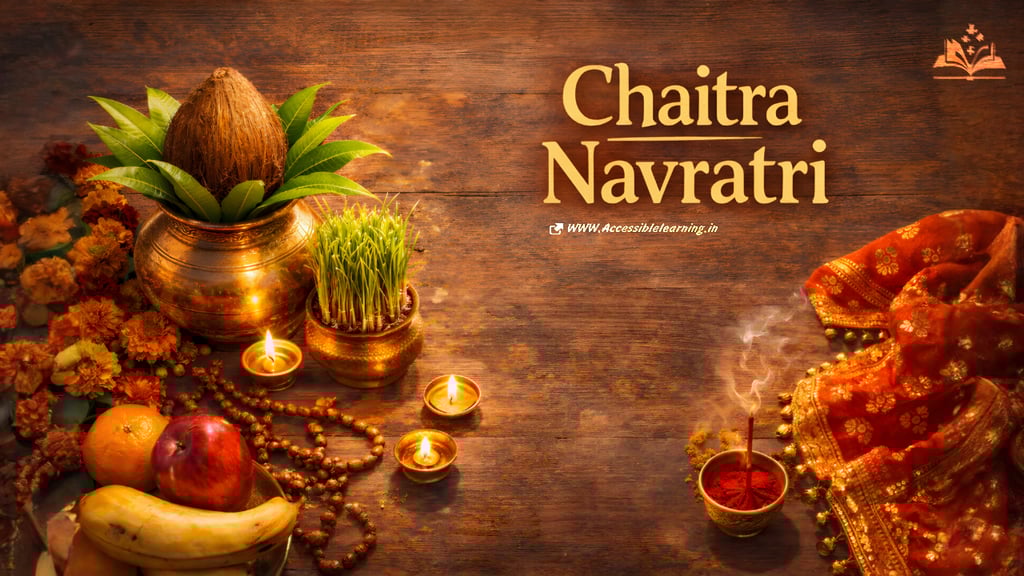
Chaitra Navratri is one of the most spiritually important Hindu observances, celebrated in the Chaitra month (March–April). Most people know it as a nine-day festival dedicated to Durga, but in reality it is a festival of cosmic renewal, biological reset, psychological healing, and cultural identity.
This article goes deeper than the usual explanations. It covers the hidden meanings, lesser-known traditions, ancient science, astrology, regional practices, and modern relevance of Chaitra Navratri.
The Forgotten Idea: Navratri as a Seasonal Reset
Ancient Indian festivals were not random. They were aligned with seasonal transitions. Chaitra Navratri happens when:
Winter ends
Spring begins
Body metabolism changes
Agricultural cycles shift
In Ayurveda, this period is called Ritu Sandhi (seasonal junction). It is considered the most sensitive time for health. So Navratri fasting, meditation, and discipline were created as a seasonal reset protocol. This makes Navratri one of the oldest preventive healthcare traditions in the world.
Chaitra Navratri and the Hindu New Year System
Many Indian calendars start around Chaitra Navratri because it symbolizes creation. According to tradition, Brahma began the universe during this time. That is why several regional New Years happen now:
Gudi Padwa in Maharashtra
Ugadi in Andhra & Karnataka
Navreh in Kashmir
Cheti Chand for Sindhi communities
This shows Navratri is not just religious. It is a civilizational calendar marker.
The Rarely Discussed Role of Women in Navratri
Navratri is one of the few festivals centered on feminine energy. But its social role is deeper. Historically, Navratri allowed women to:
Lead rituals
Manage community food distribution
Teach children traditions
Perform sacred music
In villages, Navratri gatherings helped women share knowledge about herbs, childbirth care, and seasonal health practices. Navratri was a social network long before social media.
Ghatasthapana and Seed Germination as Agricultural Science
The Ghatasthapana ritual involves planting barley seeds near a sacred pot.
Few people know this was an ancient agricultural test.
If seeds sprouted well, farmers predicted good harvest conditions.
If growth was weak, they adjusted planting plans.
Navratri rituals were also climate science tools.


The Nine Nights as a Brain Rewiring Process
Each day worships a form of Durga, representing mental transformation. But there is a neurological aspect. Nine days is long enough to start habit formation. When people:
Wake early
Eat simple food
Pray daily
Avoid negativity
They create new neural pathways. Navratri becomes a structured self-improvement system.
Astrology and Chaitra Navratri
In Vedic astrology, Chaitra Navratri often occurs near important planetary transitions. This time is considered ideal for:
Starting business
Buying property
Learning skills
Marriage discussions
Spiritual vows
Astrologers say intentions made during Navratri gain long-term strength because the lunar cycle is fresh.
Why Ram Navami Ends Navratri
Chaitra Navratri ends with Ram Navami, celebrating the birth of Rama. Symbolically:
Navratri = Awakening divine energy
Ram Navami = Living with righteousness
It shows that spirituality must lead to ethical action.
The Ayurvedic Diet of Navratri
Navratri foods are chosen for digestion and detox. Common foods:
Kuttu flour
Singhara flour
Sabudana
Fruits
Yogurt
Rock salt
These foods are:
Low in toxins
Easy to digest
High in energy
Cooling for body heat
Ayurveda recommends eating lighter food during seasonal change to protect immunity.
Hidden Environmental Wisdom
Navratri teaches ecological balance. Examples:
• Clay pots instead of plastic
• Natural flowers
• Organic grains
• Lighting lamps with ghee or oil
These rituals reduce waste and respect nature. Ancient festivals were eco-friendly by design.
Psychological Benefits of Navratri
Modern mental health experts recognize similar practices:
Meditation reduces anxiety
Fasting improves discipline
Chanting improves focus
Group prayers reduce loneliness
Navratri provides emotional healing in community settings.
Business and Financial Traditions
Many traders start new accounting books during Navratri. Why?
Because Chaitra is seen as a time of fresh beginnings. In North India, shopkeepers worship tools and ledgers, believing prosperity follows discipline and honesty.
Music, Dance, and Cultural Knowledge
Although Garba is more popular in autumn Navratri, spring Navratri also includes devotional music. Folk songs sung during this time carry:
Local history
Agricultural advice
Moral stories
Family traditions
Navratri preserved oral culture for centuries.
Lesser-Known Beliefs
Dreams during Navratri are considered meaningful
Charity done now is believed to multiply
Starting education during Navratri brings success
Cleaning homes symbolizes removing negative energy
These ideas came from observation of psychological renewal.
How to Observe Chaitra Navratri in Modern Life
You do not need elaborate rituals. Simple practice:
Wake early
Light a diya
Sit quietly for 10 minutes
Eat clean food
Avoid anger
Help someone daily
Reflect before sleep
This small routine can transform mindset in nine days.
The Real Message of Chaitra Navratri
The demon in Durga stories represents inner negativity. Navratri teaches us to defeat:
Fear
Ego
Laziness
Jealousy
Doubt
Victory is internal.
Chaitra Navratri is more than a festival. It is an ancient system combining health science, psychology, ecology, spirituality, and culture into one powerful tradition. Whether you fast fully or simply follow its discipline, Navratri offers a chance to restart life with clarity, balance, and purpose.

Frequently Asked Questions
Q: What is Chaitra Navratri?
Chaitra Navratri is a nine-day Hindu festival dedicated to Durga, celebrated in March–April. It marks the spiritual New Year in many Hindu traditions and symbolizes inner purification, seasonal detox, and the victory of good over evil.
Q: When is Chaitra Navratri celebrated?
Chaitra Navratri begins on the first day of the Hindu month of Chaitra and ends on Ram Navami, which celebrates the birth of Rama.
Dates change every year based on the lunar calendar.
Q: Why is Chaitra Navratri important?
It is important because it:
Marks the Hindu New Year in many regions
Honors feminine divine power
Promotes detox through fasting
Encourages meditation and discipline
Celebrates renewal of nature
It is both a spiritual and seasonal reset festival.
Q: What is the difference between Chaitra Navratri and Sharad Navratri?
Chaitra Navratri occurs in spring
Sharad Navratri occurs in autumn
Spring Navratri is more spiritual and health-focused, while autumn Navratri is more festive with Garba and Durga Puja celebrations.
Q: Why do people fast during Chaitra Navratri?
Fasting during Navratri helps:
Cleanse the digestive system
Improve immunity
Increase mental clarity
Build self-discipline
Ancient Ayurvedic traditions recommended fasting during seasonal change to protect health.
Q: What foods are eaten during the Chaitra Navratri fast?
Common Navratri foods include:
Fruits
Sabudana
Buckwheat flour (kuttu)
Singhara flour
Milk and yogurt
Rock salt
These foods are light, easy to digest, and help detox the body.
Q: Can we eat normal food during Chaitra Navratri?
Yes. Fasting is optional. People who cannot fast due to health reasons can eat simple vegetarian sattvic food while focusing on prayer, meditation, and good behavior.
Q: What is Ghatasthapana in Navratri?
Ghatasthapana is a ritual performed on day one where a sacred pot with barley seeds is installed.
Subscribe to Frontier Intelligence
All © Copyright reserved by Accessible-Learning Hub
| Terms & Conditions
Accessible Learning Hub — Actionable clarity for high-agency minds.
Weekly breakdowns on AI breakthroughs, capital flow, and human performance systems. Zero fluff.