

Raksha Bandhan (Shravana Purnima): History, Rituals, Significance & Traditions
Celebrate Raksha Bandhan (Shravana Purnima) with its rich history, traditions, rituals, cultural significance, modern celebrations, and timeless sibling bond.
CULTURE/TRADITIONINDIA/BHARATCELEBRATION/FESTIVALS
Jagdish Nishad
8/18/20265 min read


Every year, millions of people tie a simple thread called a rakhi. That tiny ritual drives massive retail sales, overwhelms courier networks, floods digital payment apps with gift transfers, and reconnects families that may not have spoken for months. Raksha Bandhan, celebrated on Shravana Purnima, survives because it adapts. It no longer belongs only to tradition. It now thrives in the digital economy.
What Is Raksha Bandhan (Shravana Purnima)?
Raksha Bandhan, often shortened to Rakhi, marks a ritual in which a sister ties a sacred thread around her brother's wrist. She offers prayers for his well-being, and he promises support and protection. Families exchange sweets, gifts, and blessings throughout the day.
The Sanskrit name reveals the festival's purpose:
Raksha means protection.
Bandhan means bond or tie.
Shravana Purnima refers to the full moon in the Hindu month of Shravana, making the festival part of a much broader set of seasonal and religious observances across India.
Modern India has stretched the meaning far beyond blood relations. Cousins, friends, soldiers, mentors, and even neighbors now exchange rakhis as symbols of trust and lifelong support.
The Festival Never Had Just One Origin Story
Anyone claiming Raksha Bandhan comes from a single legend ignores centuries of Indian history. Multiple traditions shaped the festival.
Krishna and Draupadi
One of the best-known stories describes Draupadi tying cloth around Krishna's bleeding finger after he injured himself. Krishna later protected her during one of the darkest moments in the Mahabharata. The story reinforces reciprocity rather than dependency.
Indra and Indrani
Ancient texts describe Indrani tying a sacred protective thread on Indra before battle. Here, the thread represents divine blessing rather than a sibling ritual.
Yama and Yamuna
Another tradition says Yamuna tied a sacred thread to Yama, the god of death. Their bond symbolized immortality through affection and remembrance.
Rani Karnavati and Emperor Humayun
Popular folklore claims Rani Karnavati sent a rakhi to Mughal emperor Humayun seeking military help. Historians continue to debate the accuracy of this story, yet it remains culturally influential because it reflects the idea that trust can cross political and religious boundaries.
The lesson remains simple: Raksha Bandhan evolved through many communities instead of emerging from a single historical event.
Protection Should Never Mean Control
Traditional language often describes the brother as the protector and the sister as someone needing protection. That idea made sense within older social structures, but modern relationships challenge it.
Today's families increasingly reject one-sided obligations.
Many sisters protect brothers emotionally, financially, and professionally. Some siblings exchange mutual promises instead of repeating older gender expectations. Others celebrate without focusing on protection at all. They simply acknowledge lifelong loyalty.
The strongest version of Raksha Bandhan celebrates responsibility flowing in both directions.
Rakhi Became a Massive Economic Machine
Forget the idea that Raksha Bandhan revolves only around emotion. Commerce powers much of the celebration.
Every season brings:
Millions of handcrafted and machine-made rakhis
Jewelry and fashion sales
Sweet shops operating at maximum capacity
E-commerce gift deliveries
Same-day courier services
Digital gift cards
Online money transfers
Customized hampers
Home décor purchases
Small artisans depend heavily on Rakhi season. Street vendors, local markets, textile businesses, and packaging companies all experience major demand spikes.
At the same time, large online retailers aggressively compete with discounts and express delivery. Traditional craftsmanship now competes against factory production and imported products.
Raksha Bandhan reflects India's economy in miniature: heritage meets high-volume commerce.


The Logistics Behind the Celebration Rarely Get Attention
Most people notice the sweets and photographs. Few notice the enormous coordination happening behind the scenes.
Weeks before the festival:
Manufacturers increase production.
Couriers expand delivery capacity.
Postal services handle millions of additional packages.
Families book train and flight tickets.
Sweet shops prepare extra inventory.
Florists and gift stores extend operating hours.
Online platforms launch festival campaigns.
For Indians living abroad, international shipping begins well in advance because customs delays can easily disrupt delivery schedules. The emotional moment depends on an enormous logistical operation that most people never see.
Digital India Changed Raksha Bandhan Forever
Distance no longer cancels the festival.
Video calls allow siblings across continents to participate together.
Digital wallets replace envelopes filled with cash.
Online marketplaces offer personalized rakhis, handwritten notes, and same-day gifting.
Some families even mail a rakhi weeks early and complete the ceremony over a video call.
Technology did not replace tradition. It expanded its reach.
Shravana Purnima Means Different Things Across India
Raksha Bandhan dominates headlines, but Shravana Purnima carries several regional traditions.
Different communities observe the day through distinct rituals, including:
Sacred thread ceremonies among many Hindu priestly communities.
Sea worship by coastal fishing communities.
Seasonal harvest and monsoon celebrations.
Regional festivals connected to local deities and agricultural cycles.
This diversity reflects India's cultural reality. One calendar date supports many traditions without forcing uniformity.
The Environmental Problem Nobody Wants to Discuss
Festival markets overflow with plastic.
Many decorative rakhis contain:
Plastic ornaments
Glitter
Synthetic foam
Metallic coatings
Non-biodegradable packaging
These materials often become waste within days.
Fortunately, demand has started shifting toward:
Cotton rakhis
Bamboo designs
Seed rakhis
Handwoven threads
Reusable fabric packaging
Consumers increasingly recognize that a festival celebrating relationships should not create unnecessary environmental damage.
Commercialization Keeps Growing, and So Does the Debate
Luxury gift boxes, expensive watches, designer jewelry, and premium electronics dominate advertising during Raksha Bandhan.
That creates pressure.
Many families begin measuring affection through spending rather than sincerity.
Social media amplifies this competition with carefully staged celebrations and extravagant gifts.
The original ritual required little more than a thread, a blessing, and genuine commitment.
The market transformed simplicity into a shopping season.
Consumers should decide whether they celebrate relationships or marketing campaigns.
Raksha Bandhan Continues to Reinvent Itself
Modern celebrations now include the following:
Sisters tying rakhis to sisters
Brothers exchanging rakhis with each other
Friends celebrating chosen family
Children tying rakhis to grandparents
Citizens honoring soldiers, healthcare workers, and teachers
The ritual succeeds because it welcomes new meanings instead of resisting change.
Traditions survive by adapting, not by freezing themselves in time.
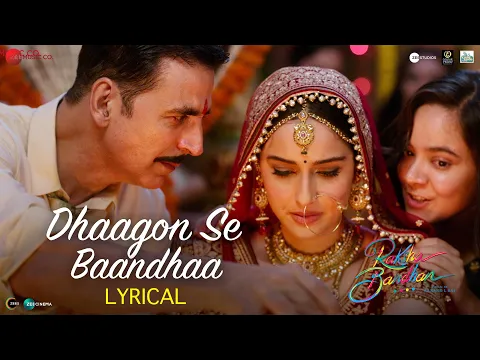
Raksha Bandhan Endures Because Relationships Still Matter
Raksha Bandhan survives every social change because it addresses something fundamental: people want dependable relationships in an increasingly fragmented world.
The thread itself carries almost no monetary value.
The promise attached to it carries everything.
That distinction explains why Raksha Bandhan remains relevant in an age dominated by smartphones, global migration, and digital communication. The ceremony changes with every generation, but its central demand never changes: relationships require commitment, not performance.
Frequently Asked Questions
Q: Why is Raksha Bandhan celebrated on Shravana Purnima?
The festival follows the Hindu lunar calendar and takes place on the full moon day of the month of Shravana.
Q: Is Raksha Bandhan only for brothers and sisters?
No. Many people celebrate with cousins, friends, mentors, soldiers, and anyone they consider family.
Q: What does the rakhi symbolize?
The thread represents trust, commitment, affection, and mutual responsibility rather than merely physical protection.
Q: Do people need expensive gifts?
No. The emotional significance of the festival has never depended on price. Thoughtful gestures carry far more meaning than luxury purchases.
Q: Can families celebrate remotely?
Absolutely. Video calls, digital payments, and international shipping allow families across the world to observe the festival together.
Subscribe To Our Newsletter
All © Copyright reserved by Accessible-Learning Hub
| Terms & Conditions
Knowledge is power. Learn with Us. 📚

