

Asahikawa Winter Festival (Hokkaido): Complete Travel Guide for Snow Sculptures & Ice Art
Discover the Asahikawa Winter Festival in Hokkaido, Japan famous for its giant snow sculptures, ice art, night illuminations, winter food stalls, and family-friendly activities. This complete guide covers the best things to do, travel tips, weather, what to wear, and how to plan your visit.
EVENT/SPECIALTRAVEL LIFECELEBRATION/FESTIVALSJAPAN
Kim Shin
1/29/20267 min read
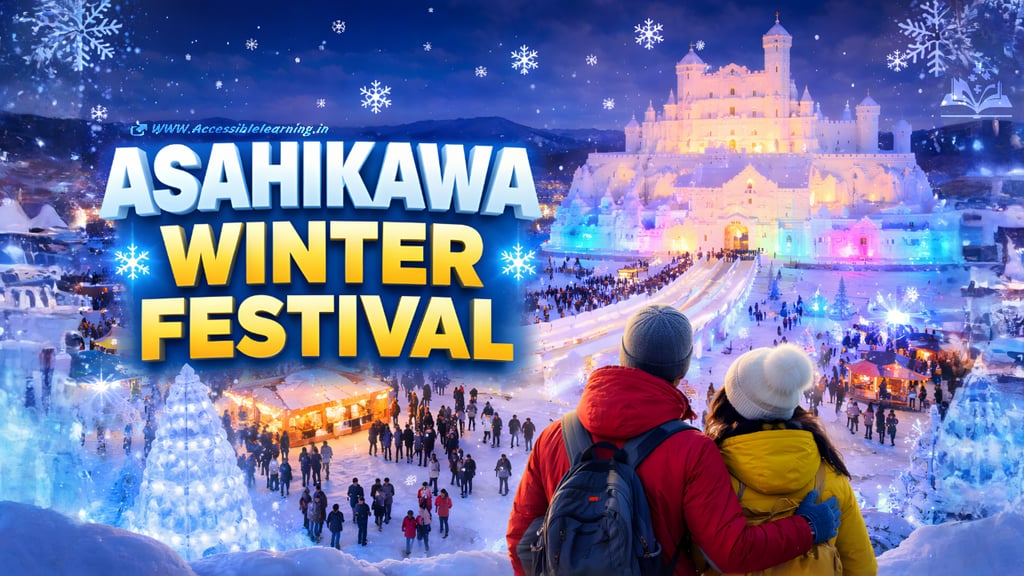
If you’re dreaming of a real “winter fairytale” experience in Japan, the Asahikawa Winter Festival (旭川冬まつり / Asahikawa Fuyu Matsuri) should be on the top of your list. Held every year in Hokkaido’s second-largest city, this festival is famous for its massive snow sculptures, ice art, winter performances, and a festive atmosphere that feels both local and international.
Unlike some winter festivals that focus only on viewing sculptures, the Asahikawa Winter Festival is a true winter carnival. It mixes giant snow architecture, interactive snow slides, family-friendly activities, and night illumination into one unforgettable travel experience.
This detailed guide covers what the festival is, what makes it special, the best things to do, travel tips, food, weather, and how to plan your visit.
What Is the Asahikawa Winter Festival?
The Asahikawa Winter Festival is one of Japan’s most important winter festivals, held annually in Asahikawa City, Hokkaido. It usually takes place in early February and runs for about one week.
The main highlight is a gigantic snow stage/sculpture that becomes the festival’s symbol each year. These sculptures are huge enough to look like real buildings, castles, temples, anime worlds, or historical monuments.
The festival includes
Large-scale snow sculptures
Ice sculptures and ice art contests
Illumination shows at night
Snow slides & play zones
Food stalls and winter snacks
Live performances and events
Why Asahikawa Winter Festival Is Special
Japan has many winter festivals, but Asahikawa stands out because of one major reason:
1) It features one of Japan’s biggest snow sculptures
Asahikawa is known for building huge snow structures that can be tens of meters wide—these are not simple statues; they’re snow architecture.
2) Hokkaido’s dry cold creates perfect snow
Asahikawa is among Japan’s coldest cities. That extreme cold helps create:
firmer snow structures
longer-lasting ice sculptures
less melting compared to warmer regions
3) It’s interactive, not just “look and leave.”
Many visitors love the festival because they can:
slide down snow ramps
walk through snow corridors
explore themed snow installations
enjoy food and music in a lively setting
4) Less crowded compared to Sapporo
The Sapporo Snow Festival is world-famous and very busy. Asahikawa often feels more relaxed, local, and easier to enjoy.
Festival Locations (Main Venues)
The Asahikawa Winter Festival generally has two key areas:
1) Main Site: Snow Sculpture Zone (Festival Grounds)
This is where the huge snow sculptures are located and where most major events happen.
You’ll find:
large main snow stage
giant snow statues
slides and family play areas
performance zones
food stalls
2) Ice Sculpture Zone (Ice Art & Displays)
A secondary area where the focus is on:
ice sculpture competitions
illuminated ice displays
photo-friendly ice art at night

Best Things to Do at Asahikawa Winter Festival
1) See the “Main Snow Sculpture Stage”
Every year, the festival builds a centerpiece sculpture so large it becomes the face of the event.
It often includes:
a stage for performances
themed carvings and massive details
a walkable viewing area
Tip: Visit twice—once in the daytime for details and again at night for lights.
2) Enjoy Night Illumination (Magical Experience)
At night, the sculptures become a whole different world. The snow and ice reflect the lighting beautifully, creating:
glowing snow architecture
colorful projection effects (some years)
cinematic photo opportunities
For many visitors, the night view is the most memorable part.
3) Try the Snow Slides & Winter Play Areas
This festival is very family-friendly, and the interactive snow areas are a huge attraction. You may find:
long snow slides
mini snow playgrounds for kids
snow tunnels
activities like sledding (depending on year)
Even adults enjoy these zones because they feel like a childhood winter dream.
4) Explore Ice Sculptures & Ice Art Competitions
The ice sculpture section gives the festival a refined artistic charm. Expect:
highly detailed ice carvings
sculptures shaped like animals, faces, fantasy scenes
transparent glowing ice walls
Photography tip: Use night mode or a tripod for crystal-clear shots.
5) Taste Local Hokkaido Winter Food
A winter festival in Hokkaido is also a food event. Asahikawa is famous for its rich comfort foods—perfect for the cold. Must-try options:
Asahikawa ramen (especially shoyu-based with rich broth)
grilled seafood (Hokkaido is seafood heaven)
hot soup curry (Hokkaido specialty)
corn butter snacks
mochi and sweet winter desserts
hot drinks like cocoa, amazake
Human tip: In freezing weather, warm food isn’t just delicious—it keeps your festival experience comfortable.
6) Watch Live Performances & Cultural Programs
Depending on the schedule, you might see:
drum performances
dance and local cultural acts
winter-themed shows
guest performances
If you want the “festival energy,” this is where you feel it most.
When Is the Asahikawa Winter Festival?
The festival is typically held:
Early February
Duration: around 1 week
Timing often aligns with Hokkaido’s winter festival season
Best time to visit:
Evening (for illumination) + daytime (for sculpture detail)
Weekdays if you want fewer crowds
Weather in Asahikawa During the Festival
Asahikawa is extremely cold in winter. Expect:
temperatures often below freezing
possible snowfall
windchill
What to Wear (Practical Packing List)
To enjoy the festival without suffering, dress properly:
Essentials:
thermal innerwear (top + bottom)
insulated down jacket
snow boots with good grip
gloves (thick, waterproof)
scarf or neck warmer
beanie/ear cover
heat packs (kairo)
warm socks (wool recommended)
Pro tip: Wear layers. Walking + cold air change how warm you feel.
How to Reach Asahikawa
Asahikawa is in central Hokkaido and is well-connected.
From Sapporo
Options:
Train (popular and convenient)
Bus (budget-friendly)
Travel time is typically around:
1.5 to 2 hours, depending on route
From New Chitose Airport
You can reach Asahikawa via:
train connections
bus routes (depending on season)


Where to Stay in Asahikawa
To maximize comfort, stay close to transport and food areas.
Best Areas
Around Asahikawa Station
Downtown Asahikawa (easy for restaurants + evening stroll)
Accommodation Types
budget hotels for solo travelers
business hotels near station
family-friendly hotels
ryokan-style stays (depending on availability)
Top Nearby Attractions to Combine with the Festival
If you’re going to Asahikawa in winter, don’t stop at just the festival.
1) Asahiyama Zoo (冬の名 物)
One of Japan’s most famous zoos, popular in winter for animal behavior exhibits.
2) Daisetsuzan National Park
If you love nature:
snowy mountains
winter landscapes
quiet scenic beauty
3) Furano & Biei (Winter Photography Paradise)
If you have extra time:
snowy fields
forest roads
winter scenery
Best Travel Tips for a Smooth Visit
Here are human-first practical tips that actually help:
Arrive early if you want clean photos
Before crowds arrive, sculptures look untouched and photos look cinematic.
Keep your phone warm
Cold weather drains batteries fast. Carry:
a power bank
phone inside jacket pocket
Walk slowly: roads can be slippery
Snow + ice makes it easy to slip.
Good boots make a big difference.
Plan 2–4 hours minimum
If you want to:
see sculptures
eat food
take photos
enjoy illumination
Give yourself enough time.
Who Should Visit the Asahikawa Winter Festival?
This festival is great for:
Families (snow play zones, fun slides)
Couples (night lights + romantic winter vibe)
Solo travelers (easy to explore, safe, photogenic)
Photographers (snow texture + night ice reflections)
Japan culture lovers (local winter celebration)
First-time Hokkaido visitors (perfect winter highlight)
Why the Festival Is Worth It
The Asahikawa Winter Festival is more than a tourist event. It feels like Hokkaido’s winter spirit in full form: strong, artistic, community-driven, and genuinely joyful.
The combination of:
enormous snow sculptures
glowing ice art
warm food
family-friendly energy
makes this festival one of the best winter travel experiences in Japan.
If you want a winter festival that feels grand but still comfortable and welcoming, Asahikawa Winter Festival is a perfect choice.

FAQ's
Q: What is the Asahikawa Winter Festival?
The Asahikawa Winter Festival is a major winter event held in Asahikawa City, Hokkaido, Japan, usually in early February. It is famous for its massive snow sculptures, ice sculptures, winter activities, food stalls, and night illuminations.
Q: When does the Asahikawa Winter Festival take place?
The festival typically takes place in early February and runs for about one week. Exact dates may change every year depending on city planning and weather conditions.
Q: Where is the Asahikawa Winter Festival held?
The festival is mainly held in Asahikawa, Hokkaido, at designated festival venues that include:
a main snow sculpture site
an ice sculpture display/competition area
Most visitors stay near Asahikawa Station for easier access.
Q: What is the main attraction of the Asahikawa Winter Festival?
The biggest highlight is the giant snow sculpture stage, which is one of the largest in Japan. It often features a themed design and can include viewing zones, performance areas, and interactive elements.
Q: Is the Asahikawa Winter Festival different from the Sapporo Snow Festival?
Yes. The Sapporo Snow Festival is larger and more crowded, while the Asahikawa Winter Festival is known for:
extremely large snow sculptures
a more local atmosphere
fewer crowds
strong family-friendly snow activities
Q: Is the Asahikawa Winter Festival free to enter?
In most years, general entry is free, though certain activities, rentals, or special zones may charge a small fee depending on festival planning.
Q: What are the best things to do at the Asahikawa Winter Festival?
Top things to do include:
viewing the giant snow stage sculpture
exploring snow and ice art displays
enjoying night illumination
trying snow slides & snow play areas
eating Hokkaido street food such as ramen and hot snacks
watching live cultural performances
Q: What should I wear to the Asahikawa Winter Festival?
Asahikawa can be extremely cold in February, so wear:
thermal base layers
thick winter jacket/down coat
snow boots with grip
gloves (waterproof recommended)
scarf/neck warmer
beanie/ear cover
heat packs (kairo)
Layering is essential for comfort.
Q: How cold is Asahikawa during the Winter Festival?
Asahikawa is one of Japan’s coldest cities. During the festival season, temperatures often stay below 0°C and can drop significantly lower at night, especially with wind chill.
Q: What time is best to visit the Asahikawa Winter Festival?
The best time depends on what you want:
Daytime: best for seeing sculpture details and taking clear photos
Night: best for magical illumination and glowing ice sculptures
Many travelers recommend visiting both day and evening for the complete experience.
Q: How do I get to the Asahikawa Winter Festival from Sapporo?
You can travel from Sapporo to Asahikawa by:
Train (JR lines): most convenient
Highway bus: cheaper option
Travel time is usually about 1.5 to 2 hours, depending on transport type.
Q: How many hours do you need for the festival?
Most visitors need around
2–4 hours for a complete experience
If you want to enjoy activities, food stalls, and night illumination, plan half a day.
Q: Is the Asahikawa Winter Festival family-friendly?
Yes. The festival is highly family-friendly and often includes:
snow playground zones
big snow slides
kid-friendly attractions
safe walking routes and open areas
Families with children enjoy it a lot.
Q: Can you take photos at the Asahikawa Winter Festival?
Yes, photography is allowed, and the festival is very photo-friendly. The best photo moments include:
giant snow sculptures in daylight
illuminated ice sculptures at night
snow stage views with evening lighting
Tip: Bring a power bank because cold weather drains batteries quickly.
Q: Are food stalls available at the festival?
Yes. There are usually many food stalls offering Hokkaido winter foods such as:
Asahikawa ramen
grilled seafood
soup curry
hot drinks
sweet snacks like mochi and desserts
Q: Is Asahikawa worth visiting in winter?
Yes. Asahikawa is worth visiting in winter because it offers:
one of Japan’s best winter festivals
strong snow scenery
excellent Hokkaido food (especially ramen)
nearby attractions like Asahiyama Zoo and winter landscapes
Q: What other attractions can I visit near the Asahikawa Winter Festival?
Popular nearby places include:
Asahiyama Zoo
Daisetsuzan National Park
winter day trips to Biei and Furano
These destinations pair well with the festival.
Q: Do I need to book hotels early for the festival?
Yes, it’s strongly recommended. February is peak winter travel season in Hokkaido, so book:
hotel stay
train tickets (if needed)
popular tours
at least 2–4 weeks in advance (earlier is better).
Subscribe To Our Newsletter
All © Copyright reserved by Accessible-Learning Hub
| Terms & Conditions
Knowledge is power. Learn with Us. 📚

