

Sapporo Snow Festival: Japan’s Legendary Winter Wonderland
Discover the magic of the Sapporo Snow Festival, Japan’s most famous winter celebration in Hokkaido. Explore breathtaking giant snow sculptures, dazzling ice displays, food stalls, the best places to visit, travel tips, and the best time to experience this unforgettable winter wonderland.
EVENT/SPECIALCELEBRATION/FESTIVALSJAPANTRAVEL LIFE
Kim Shin
1/28/20267 min read
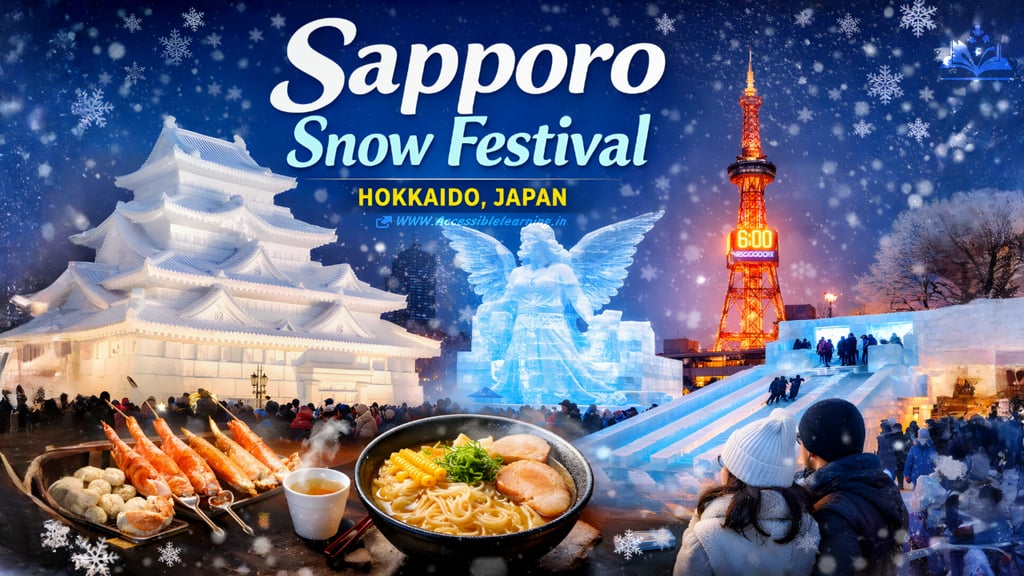
Every winter, when most cities try to escape the cold, Sapporo celebrates it.
The Sapporo Snow Festival (Sapporo Yuki Matsuri) turns Japan’s northern capital into a dreamlike snow city filled with massive snow palaces, glowing ice sculptures, winter street food, concerts, and interactive snow experiences. It’s not only one of the most famous winter festivals in Japan, but it’s also one of the most visually stunning seasonal events in the world.
If you love snow, winter travel, Japanese culture, photography, or unique experiences, this festival is a must.
What Is the Sapporo Snow Festival?
The Sapporo Snow Festival is a major annual winter festival held in Sapporo, Hokkaido, usually in early February. It is best known for its extraordinary snow and ice art.
But beyond the sculptures, the festival is also
a celebration of Hokkaido’s winter identity
a global tourism hotspot
an outdoor cultural festival with food, lights, and music
a once-a-year “winter city transformation”
The best way to describe it is simple:
Sapporo becomes a living winter theme park, but with real snow, real artists, and real culture.
Why the Festival Feels So Special (Even If You’ve Seen Snow Before)
Many places have snow. Few places build a festival this grand with it.
What makes Sapporo unique:
Sculptures are huge, often multi-story tall
Designs are extremely detailed (faces, patterns, architecture)
Night lighting makes everything feel cinematic
The city layout makes it easy to explore in walking and subway routes
You’re experiencing Japanese festival energy in a snowy world
Even if you don’t plan for it, you’ll find yourself stopping again and again, thinking:
“Wait… this is made from snow?”
A Quick History: How It Started
The festival began in 1950, when a group of students placed a few snow statues in Odori Park. People loved it, and it grew fast.
Over time, the festival became bigger and more technically advanced. Japan’s Self-Defense Forces joined sculpture creation, making possible the enormous, stable, multi-block sculptures seen today.
Now, it’s one of Japan’s “big seasonal events,” alongside iconic festivals like
Gion Matsuri (Kyoto)
Nebuta Matsuri (Aomori)
Sapporo Snow Festival (Hokkaido)
The Main Festival Locations (3 Unique Experiences)
The Sapporo Snow Festival isn’t just one place. It’s spread across the city in three key sites. Each feels like a different festival.
1) Odori Park Site: The Giant Snow Sculpture Museum
Best for: first-time visitors, photos, main sculptures
Vibe: iconic, grand, cinematic
Odori Park runs through central Sapporo. During the festival, it becomes the main gallery.
You’ll find:
the largest snow structures (temples, castles, monuments, anime scenes)
stage events and performances (depends on year)
food areas, festive booths, warm drinks
professional sculpture quality that feels unreal
What to do here:
Walk the full park end-to-end (it’s worth it)
Visit twice: day + night (lighting changes everything)
Take wide shots to show scale
2) Susukino Site: Ice Sculptures + Neon Nightlife
Best for: couples, adults, night explorers
Vibe: energetic, modern, photogenic
Susukino is Sapporo’s entertainment district. During the festival, it becomes an illuminated street of ice art.
This area is known for:
crystal-clear ice sculptures lined up in rows
neon lights reflecting through ice
a “city night festival” atmosphere
easy access to ramen, bars, izakaya, and late-night street food
Pro tip:
If you want the most aesthetic photos, Susukino at night is unmatched.
3) Tsudome Site: Family-Friendly Snow Fun
Best for: kids, active snow activities
Vibe: playful, adventure-style
This area offers more physical winter fun than sculpture viewing.
Depending on the year, you may find:
giant snow slides
tubing and snow rafting
snow play zones
kid-friendly attractions
warm indoor areas for resting
If you’re traveling with children, Tsudome makes the festival feel like a full winter holiday.
The Art Behind the Snow Sculptures (How They’re Made)
This is what most people don’t realize: these sculptures are not made “by hand only.” They’re planned like architecture.
Step-by-step creation
Snow collection and transport
Snow is gathered and moved using trucks and heavy equipment.Building the foundation
Large blocks are compacted into stable mass forms.Structural shaping
Scaffolding helps teams carve higher sections safely.Detailed carving
Artists carve textures like:hair strands on faces
stone patterns
temple detailing
clothing folds
Night lighting
Light design is essential; it adds drama and depth.
That’s why these sculptures aren’t just “snow piles.”
They are temporary monuments.
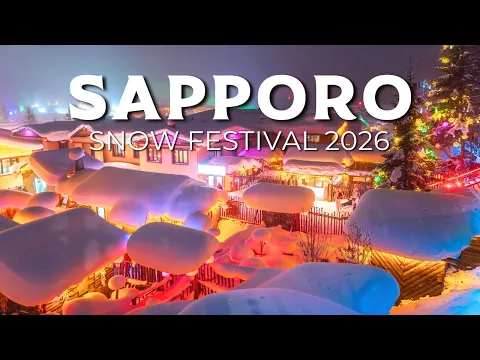
Best Time to Visit (Smart Timing = Better Experience)
Best day choice
Weekdays = less crowded, better photos
Weekends = heavy crowds, slower movement
Best time of day
Afternoon (3 PM onward): comfortable walking, best photo timing
Evening (after sunset): perfect for lighting magic
The ideal schedule is:
Afternoon at Odori
Dinner near Susukino
Night ice walk at Susukino
Crowd Survival Tips (Very Important)
This festival can attract millions, so planning is key.
How to enjoy without stress
Start early or go late
Use the subway to avoid traffic jams
Don’t stop too long at the busiest sculptures; move ahead and return later
Keep your phone battery warm (cold drains battery fast)
Don’t rely on taxis on peak evenings
Pro tip:
Go on a weekday evening. It’s the perfect balance of festival energy + manageable crowds.
What to Wear (Realistic Winter Guide)
Hokkaido cold is not just “cold.”
It’s sharp, dry, and sometimes windy.
Essentials you truly need
Down jacket / insulated winter coat
Thermals (top + bottom)
Fleece layer
Snow boots with grip
Wool socks
Gloves (with touchscreen support)
Neck warmer
Beanie that covers ears
Bonus smart item
Kairo heat packs (Japan sells them everywhere)
You can keep them in pockets or gloves.
Without proper shoes especially, the festival becomes uncomfortable quickly.
What to Eat: The Festival’s Hidden Superpower
The Sapporo Snow Festival is a food festival in disguise.
Hokkaido is famous for:
seafood
dairy
ramen culture
grilled meats
Must-try festival food
Sapporo miso ramen (thick, rich, warming)
butter corn (simple but iconic)
Hokkaido crab (seasonal luxury)
grilled scallops
jingisukan (grilled lamb dish)
hot chocolate / warm milk
amazake (sweet warm rice drink)
nikuman (steamed buns)
Human truth:
Eating hot street food while snow falls around you feels like peak winter happiness.
Best Photo Tips (So Your Content Looks Premium)
If you're writing content or creating travel visuals, this matters.
Photography rules for snow festivals
Shoot wide angle to show size
Capture close-ups of carving texture
Photograph people for scale
Best time: blue hour (just after sunset)
Mobile camera tip
Avoid flash
Use night mode
Clean your lens often (snow mist can blur photos)
Pro tip for creators:
Capture video clips of crowds + lights + steam rising from ramen stalls.
It makes your travel content feel “alive.”
How to Reach Sapporo Easily
From New Chitose Airport
Take the JR train to Sapporo Station
It’s fast, direct, and very convenient.
Getting around in Sapporo
Sapporo is one of Japan’s easiest winter cities:
Subway is reliable even in snow
Locations are well connected
You can walk between Odori and Susukino
Where to Stay (Best Areas)
Best for convenience
Near Odori Park
You’ll be in the center of the festival.
Best for transportation
Near Sapporo Station
Perfect for train travelers and airport movement.
Best for nightlife + food
Susukino
Ideal if your travel style is street food + night vibes.
Things to Do Beyond the Festival (Make It a Full Winter Trip)
Sapporo Snow Festival is the highlight, but Hokkaido offers extra magic.
1) Otaru Day Trip
A romantic canal town near Sapporo. In winter it feels like a snow movie scene.
2) Onsen Experience (Hot Springs)
After walking in snow for hours, a hot spring changes your life.
3) Skiing / Snowboarding
Hokkaido powder snow is internationally famous.
4) Mt. Moiwa Night View
A stunning viewpoint over Sapporo at night.


Cultural Meaning: What This Festival Represents in Japan
Japan is deeply seasonal. They don’t treat seasons as background; they treat them as events. Sapporo Snow Festival represents:
living with winter instead of fighting it
turning natural conditions into celebration
community + craftsmanship
art that exists only temporarily (a very Japanese concept)
That’s why the festival feels emotional and special.
It’s not just entertainment.
It’s a seasonal identity.
Is the Sapporo Snow Festival Worth It?
100% yes, especially if you want a travel experience that feels
rare
cinematic
cultural
joyful
unforgettable
It’s one of those trips where the cold becomes part of the memory in the best way. You’ll remember the light, the snow texture, the food warmth, and that moment when you realize a castle in front of you is carved entirely from snow.
FAQ's
Q: What is the Sapporo Snow Festival?
The Sapporo Snow Festival is Japan’s most famous winter event, held in Sapporo, Hokkaido, featuring giant snow sculptures, ice sculptures, night illuminations, winter food stalls, and snow activities. It usually takes place in early February and attracts visitors from around the world.
Q: When does the Sapporo Snow Festival take place?
The Sapporo Snow Festival is typically held in early February every year and lasts about one week. Exact dates vary yearly depending on festival scheduling.
Q: Where is the Sapporo Snow Festival held?
The festival is held across three main areas in Sapporo:
Odori Park Site (main snow sculptures)
Susukino Site (ice sculptures + nightlife atmosphere)
Tsudome Site (family-friendly snow activities)
Q: Is the Sapporo Snow Festival free to enter?
Yes, entry to the main festival venues is free, including Odori Park and Susukino. However, you may need to pay for:
food and drinks
some snow activities (depending on the year)
rentals (like sleds or snow gear)
Q: What is the best time of day to visit the Sapporo Snow Festival?
The best time to visit is late afternoon to evening because you can enjoy:
daylight views for clear sculpture details
night illumination for cinematic photos and atmosphere
Q: Which Sapporo Snow Festival site is best for first-time visitors?
For first-time visitors, Odori Park Site is the best because it features:
the largest and most iconic snow sculptures
the main festival atmosphere
food stalls and stage performances
Q: What is the difference between the Odori, Susukino, and Tsudome festival sites?
Each venue offers a different experience:
Odori Park: giant snow sculptures + main photo spots
Susukino: ice sculptures + night lights + restaurants nearby
Tsudome: snow activities + kid-friendly attractions
Q: How cold is Sapporo during the Snow Festival?
Sapporo in February is very cold, usually around:
-10°C to 0°C (14°F to 32°F)
Wind can make it feel colder, so proper winter clothing is important.
Q: What should I wear to the Sapporo Snow Festival?
Wear winter clothing suitable for extreme cold, such as:
insulated jacket (down recommended)
thermal base layers
gloves, scarf, and a warm hat
snow boots with grip (very important for icy streets)
heat packs (kairo) for extra warmth
Q: How do I get to the Sapporo Snow Festival from the airport?
From New Chitose Airport, take the JR Rapid Airport train to Sapporo Station, then use the subway to reach Odori or Susukino sites. It is the easiest and most reliable route in winter.
Q: How crowded is the Sapporo Snow Festival?
The festival can get very crowded, especially:
weekends
evenings (after sunset)
peak holiday travel days
To avoid heavy crowds, visit on weekdays and go earlier in the day.
Q: Can I visit the Sapporo Snow Festival with kids?
Yes, the festival is family-friendly. The Tsudome Site is best for children because it offers:
snow slides
tubing and snow games
indoor rest areas
Q: What food should I try at the Sapporo Snow Festival?
Must-try festival foods include:
Sapporo miso ramen
butter corn
grilled scallops
Hokkaido crab
jingisukan (grilled lamb)
nikuman (steamed buns)
warm drinks like amazake or hot chocolate
Q: How many days do you need for the Sapporo Snow Festival?
Ideally:
1 day: cover Odori + Susukino
2 days: add Tsudome and revisit Odori at night
A 2-day plan gives the best experience without rushing.
Q: Is Sapporo Snow Festival worth visiting?
Yes, it’s considered one of the world’s best winter festivals because it combines:
world-class snow art
beautiful night illumination
local Hokkaido food
unique Japanese winter culture
Subscribe to Frontier Intelligence
All © Copyright reserved by Accessible-Learning Hub
| Terms & Conditions
Accessible Learning Hub — Actionable clarity for high-agency minds.
Weekly breakdowns on AI breakthroughs, capital flow, and human performance systems. Zero fluff.