

Yokote Kamakura (Igloo) Festival: The Complete Travel Guide to Japan’s Magical Snow Igloos in Akita
Step into Japan’s winter wonderland at the Yokote Kamakura (Igloo) Festival in Akita, where glowing snow igloos, candle-lit mini lanterns, and warm local hospitality create one of the most magical cultural travel experiences in February.
CULTURE/TRADITIONEVENT/SPECIALCELEBRATION/FESTIVALSJAPAN
Kim Shin
2/4/20266 min read
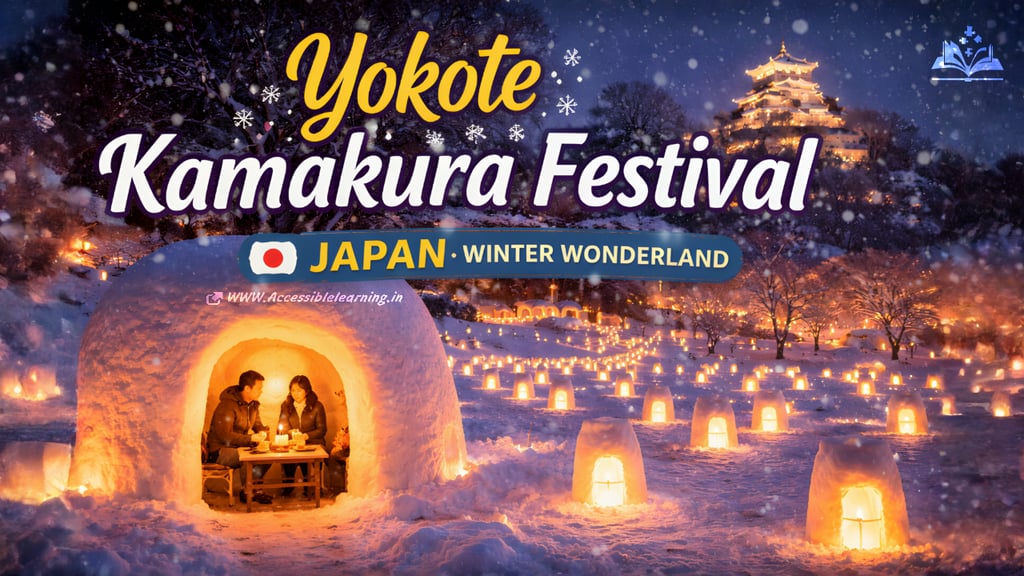
Japan is famous for cherry blossoms, neon city life, and temples, but winter in northern Japan offers something far rarer: a gentle, glowing festival made entirely of snow.
The Yokote Kamakura (Igloo) Festival in Yokote City, Akita Prefecture, is one of Japan’s most visually stunning and culturally meaningful winter events. It’s where locals build large snow igloos (kamakura) and invite visitors inside to share warmth, amazake, and mochi under candlelight and snowfall.
For travelers, this is not just a festival. It’s a calm and emotional experience that feels like you walked into a living winter storybook.
What Is the Yokote Kamakura Festival?
The Yokote Kamakura Festival is a traditional Japanese snow festival featuring:
Large snow domes (kamakura) you can enter
Mini kamakura lanterns lit with candles
Local hospitality traditions, where people invite visitors inside
Cultural prayer rituals honoring the water deity
Unlike large festivals in Tokyo or Osaka, this one feels deeply local, and that’s what makes it special.
What Does “Kamakura” Mean?
A kamakura (かまくら) is a snow hut built from thick snow walls, shaped like a dome, with:
a small entrance tunnel
enough room for several people to sit inside
a soft candle-lit interior
a small altar-like setup (in many huts)
It’s often compared to an igloo, but kamakura are uniquely Japanese in style and cultural meaning.
The History & Spiritual Meaning (Why This Festival Exists)
The Yokote Kamakura Festival is not only for fun. It began as a winter tradition connected to:
prayers for good harvests
protection from fire disasters
gratitude and respect toward water spirits/deities
In snowy regions like Akita, water is life. People historically relied on water for agriculture and safety, so honoring the water deity was important.
Inside some kamakura, you’ll notice:
a small shrine-like space
offerings
respectful behavior by locals
That blend of spirituality + hospitality + winter beauty makes this festival culturally rich.
When Is the Yokote Kamakura Festival?
The festival usually happens in mid-February (often February 15–16).
This is perfect because Yokote has:
consistent heavy snow
stable temperatures for snow building
long winter nights that enhance lighting visuals
✅ Traveler Tip: Book accommodation at least 1–2 months early if possible.
Where Is Yokote City? (For Travelers)
Yokote City is located in southern Akita Prefecture, in Japan’s Tohoku region.
Tohoku is often missed by first-time tourists, which means:
fewer crowds
authentic culture
more peaceful travel experiences
winter landscapes that feel untouched
If you want the “real Japan” beyond the typical tourist route, Yokote is a perfect choice.


Best Places to See Kamakura (Festival Locations)
The festival is spread across Yokote, but these are the key spots:
Yokote Castle / Yokote Park Area (Most Famous View)
This is the postcard location. Why travelers love it:
many kamakura lined up near the hill
stunning views with the castle backdrop
perfect for cinematic photography
📸 Best for: Wide shots, night timelapse, drone-style visuals (though drones may not be allowed).
Neighborhood Streets (Most Authentic Experience)
This is where the festival becomes personal. In residential areas you’ll see:
kamakura built by families
kids playing in snow
locals greeting travelers
small hut gatherings with mochi and amazake
✅ Best for: real interactions + cultural authenticity
3) Riverbanks with Mini Kamakura Lanterns
One of the most magical parts of Yokote is the mini kamakura area.
These are:
small dome-shaped snow lanterns
lit with candles
placed in long rows
When snow falls softly, the view becomes surreal.
📸 Best for: romantic photos + aesthetic travel reels
What Happens Inside a Kamakura?
This is the highlight.
When you enter a kamakura:
the wind sound fades
the candlelight feels warm
locals offer you snacks
you sit peacefully in the snow dome
Usually, you may get:
amazake (warm sweet fermented rice drink sometimes non-alcoholic)
mochi (sticky rice cake)
tea or warm refreshments
The local invitation phrase:
“Haitte tanse” = “Please come inside.”
That warm welcome is what makes this festival unforgettable.
Top Things to Do at the Yokote Kamakura Festival
Here are the best traveler-focused festival experiences:
Join a Kamakura Gathering
If you’re invited inside, don’t hesitate. This is the heart of Yokote. ✅ Why it matters:
rare cultural exchange
a calm moment of connection
unforgettable hospitality
Night Walk Through Candlelit Snow Streets
Walking through Yokote at night during the festival is pure winter magic:
glowing huts in darkness
lantern reflections in snow
silence + falling snow
warm lights against deep blue winter tones
This is the type of travel memory that stays with you for life.
Taste Local Winter Festival Food
Food is a big part of Japanese festivals. Look for:
grilled mochi
hot soups (miso, regional broth)
local snacks and sweets
warm street food stalls
Even simple food feels special in a snowy festival atmosphere.
Capture Cinematic Winter Photography
This festival is a dream for creators and photographers. Best photo styles:
low-light portrait with warm glow
wide hill shots near the castle
moody cinematic snow street frames
close-ups inside igloos
🎥 Video creators: record the ambient sound. Yokote winter nights sound peaceful and cinematic.
Explore Yokote During Daytime
Before the festival lighting begins, enjoy local daytime activities:
small streets covered in snow
quiet cafes
local markets
hot drinks
scenic winter landscapes

Best Time to Visit (For the Best Experience)
Ideal schedule:
Arrive early afternoon
explore castle area in daylight
dinner/warm meal
return after sunset for lighting
spend late evening exploring residential Kamakura.
✅ The best lighting starts around sunset to late evening
Weather: What to Expect in Yokote in February
Akita winter is serious, and that’s part of the charm. Expect:
very cold temperatures
heavy snow
slippery roads
strong winds on some nights
But don’t worry proper clothing makes everything comfortable.
What to Wear (Packing List for Tourists)
This section is critical for traveler satisfaction.
Must-pack items
thermal inner layers (top + bottom)
heavy down jacket
waterproof snow boots with grip
wool socks (carry extras)
thick gloves + backup gloves
heat packs (kairo)
scarf + beanie
face covering (optional but helpful)
phone power bank (cold drains battery fast)
✅ Pro tip: Wear layers, not only one thick outfit. It’s more comfortable indoors and outdoors.
How to Reach Yokote Kamakura Festival (Travel Guide)
You can reach Yokote via rail connections through the Akita region. Most travelers:
go from Tokyo → Akita/Tohoku rail route → Yokote Station
From Yokote Station:
festival atmosphere is easy to find
taxi + walking routes are common
the town becomes festival-ready
✅ Stay close to Yokote Station if you want easy movement.
Where to Stay (Best Accommodation Strategy)
Because Yokote is small:
hotels fill quickly
last-minute bookings can be expensive
Best options:
business hotels near station
local inns/ryokan (if available)
nearby towns if Yokote is full
✅ Travel tip: If staying outside Yokote, plan return trains or taxis carefully at night.
Important Etiquette & Cultural Tips
This festival includes sacred elements.
Do:
bow lightly or greet politely
accept snacks with gratitude
keep your voice low inside huts
ask before taking close-up photos of people
Don’t:
touch the altar or decorations inside the hut
enter a kamakura without invitation
block entrances for photos
throw snow near mini kamakura lanterns
Respect increases positive interactions with locals.
Is the Yokote Kamakura Festival Worth It?
Yes especially if you want:
authentic Japanese culture
less crowded travel
meaningful winter traditions
stunning night visuals
human warmth in cold weather
This festival is a rare mix of:
beauty + tradition + hospitality + spiritual calm
It’s not just something you watch. It’s something you experience.
Traveler Summary
Festival: Yokote Kamakura (Igloo) Festival
Location: Yokote City, Akita Prefecture, Japan
Time: Mid-February (usually 15–16)
Main Highlights:
enter glowing snow huts
eat mochi, drink amazake
mini kamakura lantern river views
Yokote Castle snow scenes
Best for: couples, photographers, winter lovers, Japan culture travelers

FAQ's
Q: What is the Yokote Kamakura Festival in Japan?
The Yokote Kamakura Festival is a traditional winter festival held in Yokote City, Akita Prefecture, where locals build large snow huts called kamakura (often compared to igloos). Visitors can enter the snow domes, enjoy amazake (sweet warm drink) and mochi, and experience a cultural tradition connected to prayers for safety and good harvest.
Q: When is the Yokote Kamakura Festival held?
The Yokote Kamakura Festival is typically held in mid-February, usually around February 15–16. Dates can vary slightly each year, so travelers should confirm the official schedule before booking.
Q: Where does the Yokote Kamakura Festival take place?
The festival takes place across Yokote City, but the most popular viewing areas are:
Yokote Castle / Yokote Park (iconic photos and many kamakura)
Residential neighborhoods (most authentic local experience)
Riverbank areas with mini kamakura lanterns
Q: Can tourists go inside the snow igloos (kamakura)?
Yes. Tourists are welcome to enter many Kamakura huts. In some locations, locals invite visitors inside and offer warm refreshments. It’s polite to wait for an invitation, greet politely, and keep noise low because some huts have spiritual or traditional meaning.
Q: What do people do inside a kamakura?
Inside a kamakura, visitors typically:
sit in a candle-lit snow dome
view a small altar dedicated to a water deity
drink amazake
eat mochi (rice cakes)
warm up and enjoy local hospitality
This experience is one of the festival’s main highlights.
Q: What is the difference between an igloo and a kamakura?
An igloo is traditionally an Arctic snow shelter made mainly for survival and warmth.
A kamakura is a Japanese snow dome built for festival gatherings, hospitality, and sometimes spiritual rituals. Kamakura are often larger, smoother, and designed for visitors to sit inside comfortably.
Q: What is the best time to visit the Yokote Kamakura Festival?
The best time is after sunset, when the kamakura and mini lantern domes are lit with candles. A good plan is to arrive in the afternoon and stay through the evening for the full experience and best photography.
Q: Is the Yokote Kamakura Festival worth visiting?
Yes, it’s considered one of Japan’s most unique winter festivals because it combines
breathtaking snow scenery
candle-lit night visuals
authentic local hospitality
cultural and spiritual tradition
fewer crowds than major tourist festivals
It’s especially worth it for photographers and travelers seeking real cultural experiences.
Q: What should I wear to the Yokote Kamakura Festival?
Yokote winters are cold and snowy, so visitors should wear:
thermal inner layers
heavy winter jacket
waterproof snow boots with grip
gloves, scarf, and warm hat
hand warmers (kairo)
thick socks (extra pair recommended)
Dressing properly is essential to enjoy the festival comfortably.
Q: How do you get to the Yokote Kamakura Festival from Tokyo?
Most travelers take a Shinkansen + local rail connection to reach Yokote Station in Akita Prefecture. From Yokote Station, festival areas can be reached by walking, taxi, or local transport depending on the location.
Subscribe to Frontier Intelligence
All © Copyright reserved by Accessible-Learning Hub
| Terms & Conditions
Accessible Learning Hub — Actionable clarity for high-agency minds.
Weekly breakdowns on AI breakthroughs, capital flow, and human performance systems. Zero fluff.