

Winter Festival in Russia: A Deep Look at Mid-December Celebrations
A detailed overview of Russia’s Winter Festival, celebrated in mid-December across major cities and regional towns. This description covers its origins, cultural elements, ice art, folklore influences, city-specific variations, winter activities, food traditions, tourism impact, and the overall atmosphere that marks the start of the Russian winter season.
CULTURE/TRADITIONEVENT/SPECIALCELEBRATION/FESTIVALS
Kim Shin
12/4/20255 min read
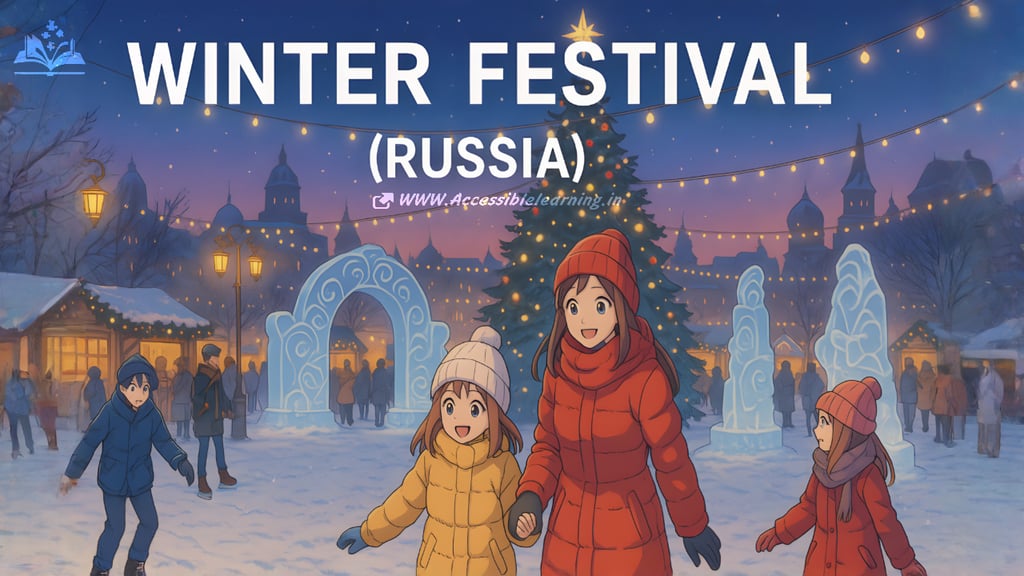
The Winter Festival, held in mid-December across different Russian cities, is one of the events that marks the real start of the country’s winter season. The exact dates shift from region to region, but most cities begin their celebrations between the second and third weeks of December. What makes this festival unique is the way it blends modern creativity with pieces of Slavic winter culture, turning early winter into something lively instead of bleak.
How the Festival Started
The Winter Festival doesn’t have a single origin story. It grew out of two major influences:
Soviet-era winter fairs. These were mostly cultural showcases, children’s performances, and early New Year markets organized in the late December weeks.
Regional winter traditions. Northern regions, especially around the Ural Mountains and Siberia, already had ice festivals, snow sculpture events, and torchlight parades long before the festival became a coordinated seasonal celebration.
By the early 2000s, major cities like Moscow and Saint Petersburg started elevating these seasonal events with bigger budgets, international artists, city-wide lighting programs, and winter attractions. Now the festival is recognized widely, even if it doesn’t follow a single national template.
Regional Variations Make It Interesting
Each part of Russia adds its own cultural flavor:
Moscow’s Winter Festival tends to focus on large-scale artistic installations, modern light parks, and themed districts around Red Square, VDNH, and Gorky Park.
Saint Petersburg brings a historical tone with palace courtyards, classical concerts, and European-style markets inspired by the city’s architecture.
Siberian cities like Novosibirsk, Irkutsk, and Krasnoyarsk lean heavily on snow and ice art, using the natural climate for massive sculpture parks.
Ural regions combine industrial art, folk dance, and wood carving workshops, reflecting a blend of Russian and local Finno-Ugric influences.
Far East cities like Vladivostok often mix Russian winter culture with East Asian touches due to their proximity to Japan, Korea, and China.
You could attend the festival in five cities and experience something completely different in each.
Ice and Snow Art: The Signature Feature
Ice art is one of the most recognizable parts of the Winter Festival. Cities hire sculptors who spend weeks carving:
Ice palaces
Walk-through tunnels
Giant statues
Detailed reliefs of fairy-tale characters
Frozen slides for children and adults
Some regions even host competitive events where teams from Russia, China, Mongolia, Japan, and Scandinavia compete in large-scale ice sculpting.
These installations aren’t just decorative. Many double as interactive spaces where you can take photographs, explore tunnels, or climb small structures built safely for visitors.
Folklore Plays a Quiet but Important Role
Even though the festival is modern, you’ll still find folklore in small but meaningful ways:
Ded Moroz and Snegurochka (the Russian winter father and his granddaughter) often appear for children’s programs.
Old winter fairy tales inspire puppet shows, theatre plays, and parade floats.
Musicians perform traditional winter melodies using balalaika, gusli, and folk percussion.
Some regions revive pre-Christian winter themes, usually symbolizing warmth, harvest, and the victory of light over darkness.
The festival doesn’t lean fully into folklore, but it uses it to create a warm, nostalgic winter feeling.
Light Decorations and Night Shows
Because winter days are short, the festival makes the most of the long evenings. Common elements include:
Projection shows on historical buildings
Light tunnels stretching across main boulevards
Giant illuminated trees
Snowflake-themed street lamps
3D animated light installations
In major cities, light designers create immersive parks where visitors move through different color themes and synchronized music.
Food and Seasonal Tastes
The festival is also known for lively food markets that focus on warm, comforting dishes. Popular options include:
Blini with jam, mushrooms, cheese, salmon, or honey
Pelmeni (Siberian dumplings) served in broth or fried
Shashlik and grilled sausages
Hot baked potatoes with butter and herbs
Sweet pastries filled with poppy seeds, cottage cheese, or berries
Sbiten, mulled wine, and herbal teas
Some cities bring in international stalls offering German pretzels, Czech pastries, Turkish sweets, or Japanese street food.
Artisan Markets and Winter Crafts
Visitors also find handmade products such as:
Wooden toys
Carved ornaments
Hand-painted ceramics
Felt scarves and wool clothing
Leather accessories
Traditional Christmas and New Year decorations
These markets are popular with tourists because the crafts come directly from regional creators.
Sports and Activity Zones
Winter Festival events are designed for participation, not just watching. Many cities add:
Curling tracks
Snow tubing lanes
Temporary ski trails
Ice labyrinths
Igloo-style cafes
Snowball arenas for kids
Reindeer or husky rides in northern regions
This makes the festival feel inclusive for families, couples, and travelers.

Indoor Cultural Extensions
Since temperatures can drop sharply, indoor events complement outdoor activities. These often include:
Museum night programs
Themed exhibitions about winter traditions or Russian folklore
Ballet performances, especially "The Nutcracker," which becomes a December classic
Classical concerts with seasonal music
Film screenings inspired by winter stories
This balance helps people stay warm without breaking the festive flow.
Economic and Social Impact
The Winter Festival is also a key event for local businesses:
Hotels see a rise in bookings as people visit for holiday shopping and the early festive mood.
Local artisans, street vendors, and regional artists get direct exposure to thousands of visitors.
City branding improves because the festival becomes a visual highlight shared on social media.
Transport, food industries, and entertainment venues benefit from the increased footfall.
The festival is as much an economic driver as it is a cultural celebration.
Weather and Visitor Experience
Mid-December can be extremely cold, especially in Siberia and the northern regions. Temperatures may drop below –20°C, but people dress for it. In European Russia, temperatures hover around –2°C to –10°C. The cold atmosphere becomes part of the mood:
Crisp air makes lights brighter
Snowfall adds a cinematic look to the streets
Hot drinks feel more comforting
Many visitors come specifically for this winter atmosphere.
Why the Winter Festival Matters
The festival isn’t ancient or religious, but it has become an important cultural moment because:
It signals the true start of winter activities
It balances modern creativity with Russian tradition
It introduces tourists to different regional identities
It gives communities a shared social space during the darkest month
It boosts local creativity, art, and the winter economy
In short, it’s one of Russia’s most dynamic seasonal celebrations, shaped each year by both tradition and new ideas.
FAQ's
Q: When does the Winter Festival in Russia usually take place?
The festival is held in mid-December, though the exact dates vary by city. Most events begin between the second and third weeks of the month.
Q: Is the Winter Festival the same across all Russian cities?
No. Each region adds its own cultural flavor. Moscow focuses on large installations and light parks, Saint Petersburg leans historical, Siberia highlights ice and snow art, and other regions bring their own traditions.
Q: What are the main attractions of the Winter Festival?
The most popular elements include ice sculptures, snow installations, folk performances, food markets, skating rinks, light shows, concerts, and craft fairs.
Q: Is the Winter Festival a historical tradition?
It’s not an ancient holiday. It grew from a mix of Soviet-era winter fairs and regional winter customs. Over time, it evolved into a large cultural celebration.
Q: Do visitors need tickets to attend the festival?
Most outdoor activities are free. Some indoor exhibitions, concerts, and workshops may require paid tickets depending on the venue.
Q: How cold is Russia during the Winter Festival?
Temperatures vary by region. European Russia is usually between –2°C and –10°C, while northern and Siberian areas can reach below –20°C.
Q: What kind of food can visitors expect at the festival?
Common options include blini, pelmeni, pastries, roasted nuts, grilled meats, hot tea, sbiten, and mulled wine. Some markets also feature international food stalls.
Q: Is the Winter Festival suitable for families?
Yes. Many activities, such as skating, light parks, puppet shows, and snow slides, are designed specifically for children and families.
Q: Does the Winter Festival connect to New Year celebrations?
It acts as a seasonal prelude. The festival builds the atmosphere that leads into Russia’s major holiday, New Year’s Eve.
Q: Are there indoor activities for visitors who want to avoid the extreme cold?
Yes. Museums, theaters, concert halls, and cultural centers run winter-themed programs, exhibitions, and performances throughout the festival.
Subscribe to Frontier Intelligence
All © Copyright reserved by Accessible-Learning Hub
| Terms & Conditions
Accessible Learning Hub — Actionable clarity for high-agency minds.
Weekly breakdowns on AI breakthroughs, capital flow, and human performance systems. Zero fluff.