

Why Poush Mela Remains a Cultural Landmark
Poush Mela is an annual cultural fair in Santiniketan known for folk music, Baul performances, traditional crafts, student exhibitions, and seasonal Bengali food. It reflects the artistic spirit of Visva-Bharati and the rural heritage of Bengal, attracting visitors from across India every December.
EVENT/SPECIALINDIA/BHARATCELEBRATION/FESTIVALSTRAVEL LIFE
Keshav Jha
12/14/20253 min read
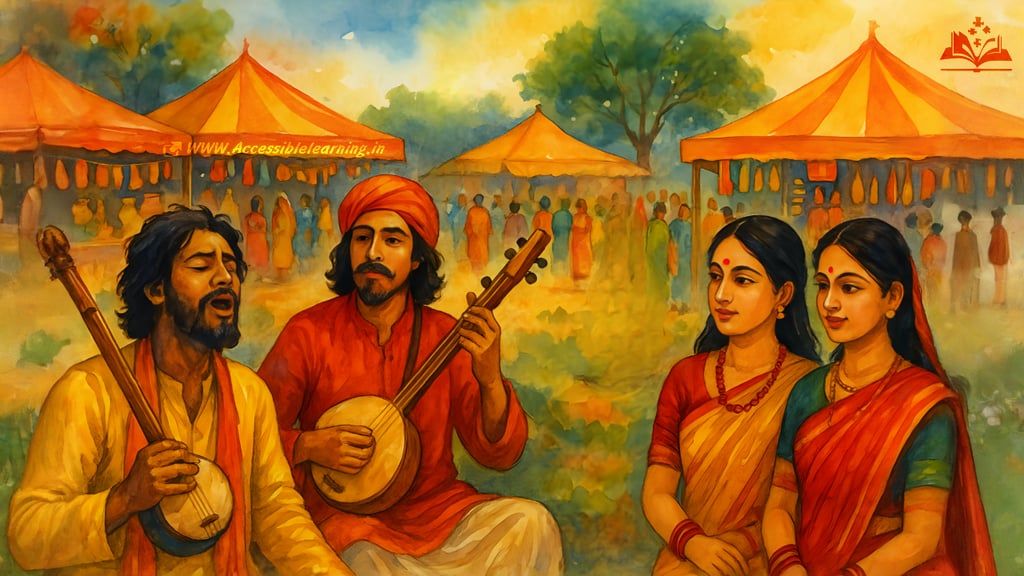
Poush Mela is a cultural fair held every year in Santiniketan, a place shaped by Rabindranath Tagore’s ideas on education, art, and community. The fair begins around the 7th day of the Bengali month of Poush, which usually falls in late December. It’s known for folk music, traditional crafts, rural food, and the artistic energy that Santiniketan is famous for.
Origins and Historical Significance
The fair started more than a century ago. Its roots go back to 1894, when Maharshi Debendranath Tagore accepted the Brahmo faith on the 7th of Poush. This day became an annual gathering for followers of Brahmo Samaj. Over time, the event grew beyond a religious observance and evolved into a celebration of culture, art, and rural Bengal.
Rabindranath Tagore, who believed in blending education with culture, encouraged students of his school (later Visva-Bharati University) to participate. As the institution grew, so did the fair. Instead of becoming commercial, Poush Mela preserved a village-fair atmosphere where creativity and community feel more important than entertainment.
Cultural Highlights
Morning Prayers and Songs
Each day starts with Rabindra Sangeet performed by students and teachers. These sessions set the tone of the fair with a calm and spiritual start.
Baul Performances
The Bauls are at the heart of the fair. Their songs explore freedom, devotion, and the search for the divine within. They play simple instruments like the ektara, dotara, and khamak. Their music draws visitors every year.
Folk Arts and Dance
Groups from Birbhum and nearby districts perform Santhali dance, Jhumur, and other folk forms. The mix of instruments, drums, and traditional costumes adds a lively energy to the fair.
Handicrafts and Art
Poush Mela is a major platform for rural artisans. You’ll find:
Kantha stitch textiles
Dokra metal crafts
Terracotta figures
Handwoven cotton and silk
Leather goods from Santiniketan’s traditional craft community
Natural-dye fabrics
Woodwork and pottery
Many artisans depend on this fair for income, so visitors get a direct connection with handmade rural crafts instead of factory products.
Santiniketan’s Kala Bhavana students also set up exhibits. Their paintings, installations, and sculptures reflect the town’s artistic reputation. These exhibitions show a blend of traditional sensibilities and modern ideas.
Food Experience
Food stalls at the fair highlight simple and authentic Bengal flavors. Popular items include:
Pithas made with rice flour and jaggery
Luchi with aloor dom
Fish fry and muri ghonto
Mishti doi and chhana-based sweets
Fresh palm jaggery (nolen gur), available only this season
The food area feels like a rural festival on its own.
Atmosphere and Local Life
The fairgrounds get busy, but the environment is still relaxed. You see students in traditional attire, elderly visitors enjoying music, and tourists exploring the stalls. The red soil of Birbhum, the wide open grounds, and the surrounding trees give the fair a unique setting.
Even with larger crowds and more infrastructure in recent years, the essence of Poush Mela remains tied to simplicity, culture, and creative expression.

Why Poush Mela Matters
For many people, Poush Mela is more than an event. It represents:
A connection to Bengal’s folk traditions
A platform for artisans
A space where art and nature blend
The legacy of the Tagore family
A reminder of how culture grows outside big cities
Anyone who visits Santiniketan during Poush Mela usually leaves with a sense of nostalgia and warmth.
FAQs
Q: When is Poush Mela held?
It usually begins around the 7th day of the Bengali month of Poush, which falls in late December. The fair typically runs for several days.
Q: Where does Poush Mela take place?
The fair is held in Santiniketan, located in the Birbhum district of West Bengal. The main grounds are close to Visva-Bharati University.
Q: Why is Poush Mela celebrated?
It marks the day Maharshi Debendranath Tagore embraced the Brahmo faith. Over time, it evolved into a cultural fair showcasing Bengal’s music, crafts, and traditions.
Q: What is the main attraction of the fair?
Baul music, folk performances, artisan stalls, Santiniketan-inspired crafts, and the calm cultural atmosphere are the major highlights.
Q: Are there exhibitions by students of Visva-Bharati?
Yes. Kala Bhavana students display artworks, installations, posters, and creative projects that add a strong artistic layer to the event.
Q: What kind of food is available at the fair?
The food stalls offer pithas, tea, nolen gur sweets, fish items, and simple homemade-style Bengali snacks.
Q: Is Poush Mela suitable for families?
Yes. The environment is friendly, open, and cultural, making it comfortable for families, children, and senior visitors.
Q: How crowded does it get?
The opening days are calmer. The last two or three days draw larger crowds, especially on weekends.
Q: Are there entry fees?
Generally, entry to the fairgrounds is free, though some exhibitions might have a small fee depending on the year.
Q: How can I reach Santiniketan?
The nearest rail station is Bolpur (Shantiniketan). It’s well connected to Kolkata and other major Bengal routes. From the station, local transport takes you to the fair.
Q: Can visitors shop for local crafts?
Yes. The fair is one of the best places to buy handwoven textiles, dokra work, leather goods, pottery, and natural-dye fabrics directly from artisans.
Q: What is the best time to visit during the day?
Mornings are peaceful with songs and prayers. Evenings are more active with performances and larger crowds.
Subscribe To Our Newsletter
All © Copyright reserved by Accessible-Learning Hub
| Terms & Conditions
Knowledge is power. Learn with Us. 📚

