

Walpurgis Night: History, Traditions, and the Legend of Europe’s Witches’ Festival
Discover the fascinating story of Walpurgis Night, a centuries-old European spring festival celebrated on April 30. Learn about its origins, witch folklore, bonfire traditions, cultural celebrations across Europe, and why this mysterious night still captures imaginations today.
CULTURE/TRADITIONEVENT/SPECIALEUROPEAN UNIONNEPOTISM/SOCIAL ISSUES
Kim Shin
4/21/20266 min read
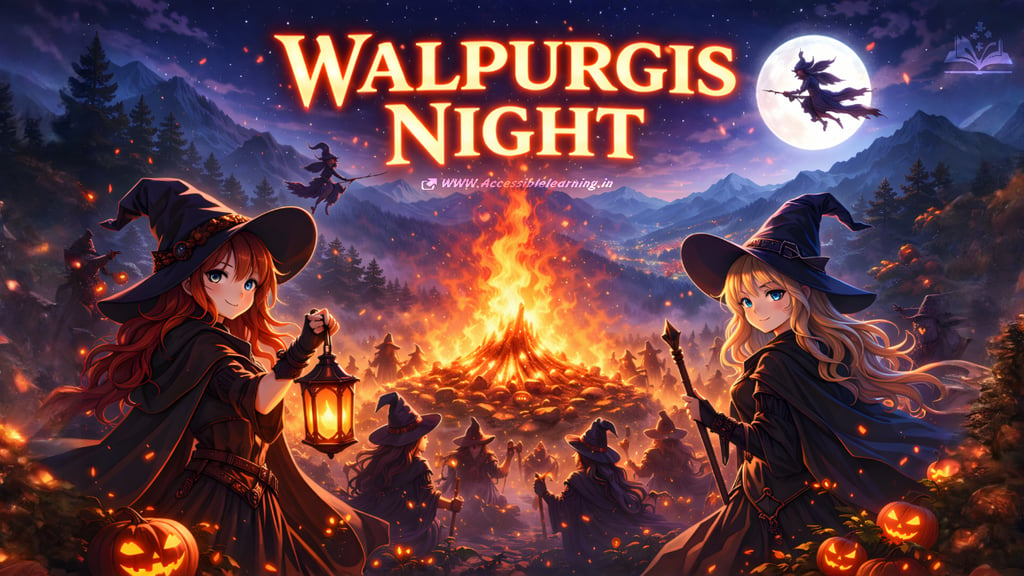
Walpurgis Night, also known as Walpurgisnacht, is one of Europe’s most mysterious and colorful spring celebrations. Held every year on the night of April 30, the festival blends ancient pagan traditions, Christian history, folklore, and lively community gatherings.
Across Central and Northern Europe, people welcome the arrival of spring with large bonfires, music, dancing, costumes, and folklore-inspired festivities. The celebration marks the transition from the dark winter months to the warmth and growth of the new season.
Often compared to Halloween because of its witch legends and supernatural stories, Walpurgis Night is actually a seasonal festival celebrating renewal, protection, and community traditions.
The Historical Origins of Walpurgis Night
The name Walpurgis Night comes from Saint Walpurga, an English missionary who lived during the 8th century. She traveled to Germany to help spread Christianity and later became a respected saint. Her feast day is celebrated on May 1, which is why the night before came to be associated with her name.
However, the celebration itself predates Christianity. Long before Saint Walpurga’s time, ancient European communities celebrated spring fertility festivals and seasonal transitions around the beginning of May.
These early rituals often included:
Lighting fires to protect villages from evil spirits
Celebrating fertility, agriculture, and new life
Welcoming warmer weather after harsh winters
When Christianity spread across Europe, these traditions blended with Christian observances, eventually forming the modern Walpurgis Night festival.
The Famous Witches’ Gathering Legend
One of the most well-known legends associated with Walpurgis Night is the belief that witches gather on the Brocken mountain in the Harz Mountains of Germany.
According to folklore, witches would fly to the mountain peak on broomsticks during the night of April 30. There, they would celebrate with supernatural spirits in a mystical gathering before the arrival of May Day.
Because of these stories, villagers historically believed that the night was filled with dangerous spirits and dark magic. To protect themselves, they:
Lit large bonfires
Made loud noises with bells or drums
Wore masks or costumes to scare away spirits
Over time, these protective rituals evolved into the lively public celebrations seen today.
Major Traditions and Rituals
Bonfires (The Heart of the Festival)
Bonfires remain the most important symbol of Walpurgis Night. They represent:
Protection from evil forces
Purification and renewal
The return of warmth and sunlight
Villages and towns gather around large fires where people sing, dance, and celebrate together.
Dressing as Witches and Spirits
Many celebrations feature people dressed as witches, devils, forest spirits, and mythical creatures. In some towns, theatrical performances recreate the legendary witches’ gatherings.
Spring Singing and Folk Music
Choirs and musicians perform traditional songs celebrating the arrival of spring. In Sweden and Finland especially, student choirs perform seasonal songs near bonfires.
Street Festivals and Markets
Modern Walpurgis Night events often include:
Food stalls
Folk markets
Street performances
Medieval-themed fairs
Fireworks displays
These activities turn the night into a vibrant cultural festival.

Walpurgis Night Around Europe
Germany
Germany hosts some of the most famous Walpurgis Night celebrations, particularly in the Harz Mountains region. Cities such as Wernigerode and Thale organize large festivals with
Witch parades
Fire shows
Medieval markets
Costume contests
Thousands of visitors travel to the area every year to experience the unique atmosphere.
Sweden (Valborg)
In Sweden, the festival is known as Valborg. University towns like Uppsala and Lund celebrate with:
Choir performances
Bonfires
Student parades
Public gatherings
It is considered one of the most important cultural celebrations of the spring season.
Finland (Vappu)
Finland celebrates Vappu, one of the country’s biggest festivals. The celebration includes:
Street parties
Colorful balloons
Student traditions and parades
Large public picnics on May 1
Czech Republic
The celebration is known as “Burning of the Witches” (Čarodějnice). People build bonfires and sometimes burn symbolic witch figures to represent the defeat of evil.
Estonia and Latvia
Baltic countries celebrate Walpurgis Night as a nature festival, marking the arrival of warmer weather and agricultural renewal.
Walpurgis Night and May Day Connection
Walpurgis Night leads directly into May Day (May 1), which is traditionally associated with spring celebrations across Europe. While Walpurgis Night is celebrated with fires and folklore, May Day often includes:
Maypole dances
Flower festivals
Outdoor gatherings
Labor Day celebrations in many countries
Together, the two days represent the official cultural arrival of spring in Europe.
Walpurgis Night in Literature and Art
The festival gained international fame through literature, especially the famous Walpurgis Night scene in Goethe’s “Faust.”
In this dramatic section of the story, the mountain becomes a chaotic celebration filled with witches, demons, and supernatural figures. The imagery helped shape the modern popular perception of Walpurgis Night as a mystical and eerie gathering.
Over time, the festival has also inspired:
Fantasy novels
Gothic literature
Horror films
European folk art
Symbolism Behind Walpurgis Night
Walpurgis Night represents several symbolic ideas that appear across cultures:
Seasonal Renewal: The festival marks the transition from winter to spring.
Protection Against Evil: Bonfires and noise-making traditions originally served to scare away spirits.
Community Celebration: The festival brings communities together through music, storytelling, and shared traditions.
Nature and Fertility: Ancient roots connect the festival to agricultural cycles and fertility rituals.
Interesting and Lesser-Known Facts
Walpurgis Night is sometimes called “Hexennacht” (Witches’ Night) in parts of Germany.
The Brocken mountain is often covered in fog, which helped inspire stories about supernatural gatherings.
In some German regions, children used to leave small gifts for neighbors as part of spring traditions.
Sweden’s Valborg celebrations date back to the Middle Ages.
Some European folklore claims that animals could speak on Walpurgis Night.
In parts of Germany, people once placed branches or herbs outside their homes to ward off witches.


Modern Walpurgis Night Festivals
Today, Walpurgis Night has evolved into a major cultural tourism event in some regions. Popular activities include:
Fire performances
Nighttime concerts
Historical reenactments
Witch-themed parades
Mountain celebrations in the Harz region
Many towns attract thousands of visitors each year, making the festival both a cultural tradition and a major tourist attraction.
Walpurgis Night is a fascinating blend of ancient rituals, Christian history, folklore, and modern celebration. From mystical legends about witches on mountain peaks to joyful community bonfires welcoming spring, the festival carries centuries of tradition.
Today, it remains one of Europe’s most unique seasonal celebrations. Whether experienced through folklore stories, cultural festivals, or lively bonfire gatherings, Walpurgis Night continues to illuminate the arrival of spring with mystery, history, and celebration.
FAQ's
Q: What is Walpurgis Night?
Walpurgis Night is a traditional European spring festival celebrated on the night of April 30. It marks the transition from winter to spring and is known for bonfires, folklore, music, and celebrations. The event combines ancient pagan traditions with Christian history and is widely celebrated in countries like Germany, Sweden, Finland, and the Czech Republic.
Q: When is Walpurgis Night celebrated?
Walpurgis Night takes place every year on April 30, the evening before May Day. The celebration continues into the early hours of May 1, symbolizing the arrival of spring and warmer weather.
Q: Why is it called Walpurgis Night?
The festival is named after Saint Walpurga, an 8th-century English missionary who worked in Germany. Her feast day is celebrated on May 1, and over time the night before became associated with her name.
Q: Why are witches associated with Walpurgis Night?
European folklore claims that witches gathered on Brocken Mountain in the Harz Mountains of Germany during the night of April 30. According to legends, they celebrated with spirits and magical rituals. These stories led to traditions like bonfires and costumes meant to scare away evil spirits.
Q: What traditions are common during Walpurgis Night?
Common traditions include:
Lighting large bonfires
Dressing as witches or mythical characters
Singing traditional spring songs
Hosting festivals and street markets
Dancing and community gatherings
Student celebrations in some countries
These traditions celebrate spring, renewal, and protection from evil spirits.
Q: Which countries celebrate Walpurgis Night?
Walpurgis Night is mainly celebrated in Central and Northern Europe, including:
Germany
Sweden
Finland
Czech Republic
Estonia
Latvia
Each country celebrates the festival differently, but most traditions include bonfires and spring celebrations.
Q: What is Walpurgis Night called in other countries?
The festival has different names across Europe:
Walpurgisnacht – Germany
Valborg – Sweden
Vappu – Finland
Čarodějnice (Burning of the Witches) – Czech Republic
Although the names vary, the celebrations share similar themes of spring and folklore.
Q: Is Walpurgis Night similar to Halloween?
Walpurgis Night is sometimes called “Europe’s spring Halloween” because of its witch legends and costumes. However, unlike Halloween, which is linked to autumn and spirits of the dead, Walpurgis Night celebrates the arrival of spring and seasonal renewal.
Q: What is the connection between Walpurgis Night and May Day?
Walpurgis Night takes place on April 30, just before May Day (May 1). The bonfire celebrations at night lead into May Day festivities, which often include maypole dancing, outdoor festivals, and spring celebrations.
Q: Is Walpurgis Night still celebrated today?
Yes, Walpurgis Night is still widely celebrated across Europe. Many towns host large festivals, concerts, bonfires, and cultural events that attract both locals and tourists.
Q: What does the Walpurgis Night bonfire symbolize?
Bonfires symbolize several important ideas:
Protection from evil spirits
Purification and renewal
The end of winter
The arrival of light and warmth
Fire rituals have been part of spring festivals in Europe for centuries.
Q: Why is Brocken Mountain famous during Walpurgis Night?
Brocken Mountain in Germany’s Harz Mountains is famous because folklore says witches gather there during Walpurgis Night. The mountain’s misty and mysterious environment helped inspire these legends, making it a central location in the festival’s mythology.
Subscribe To Our Newsletter
All © Copyright reserved by Accessible-Learning Hub
| Terms & Conditions
Knowledge is power. Learn with Us. 📚

