

Veterans Day: Honoring America’s Heroes with Gratitude and Respect
Veterans Day, observed on November 11, honors the brave men and women who have served in the U.S. Armed Forces. Discover its history, meaning, and global significance, and explore heartfelt ways to celebrate, honor, and support veterans today.
EVENT/SPECIALUSACELEBRATION/FESTIVALS
Kim Shin
11/1/20256 min read
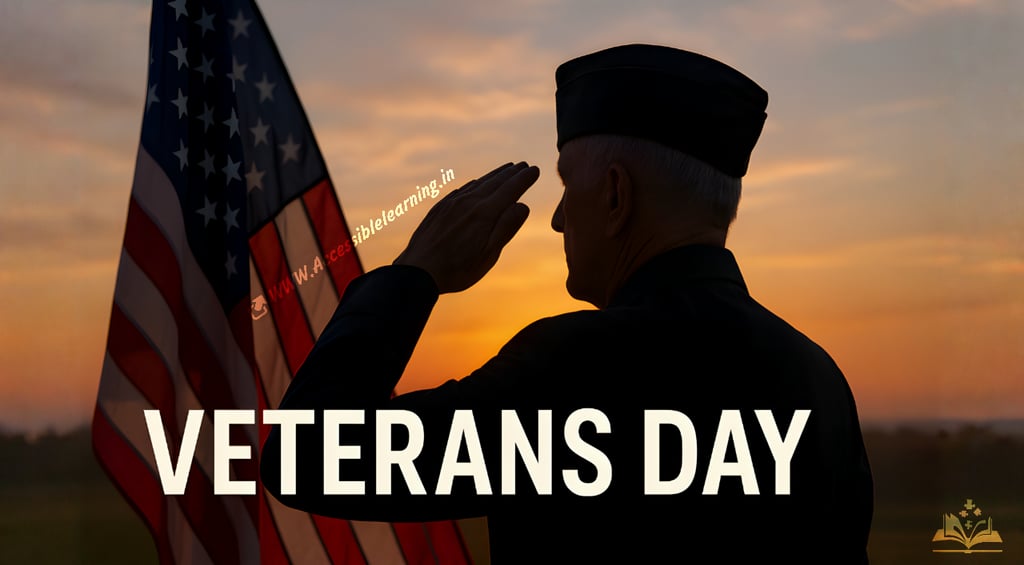
Veterans Day: A National Salute to Service
Each year on November 11, the United States pauses to pay tribute to its defenders—those who have worn the uniform of the nation’s Armed Forces. Veterans Day is not only a day of remembrance but also of appreciation, unity, and pride. It’s an opportunity for citizens to acknowledge the courage, sacrifice, and patriotism of millions of veterans who have stood in defense of liberty.
From the muddy trenches of World War I to modern missions overseas, veterans have carried forward a legacy of duty and resilience that defines the American spirit.
The Origin of Veterans Day
Veterans Day finds its roots in the end of World War I, often called “the war to end all wars.” The armistice that silenced the guns was signed on November 11, 1918, marking the cessation of hostilities between the Allied forces and Germany.
A year later, President Woodrow Wilson declared November 11 as Armistice Day, a time for gratitude and peace. It became a federal holiday in 1938, dedicated to honoring World War I veterans.
After World War II and the Korean War, millions more Americans had served, leading to a broader purpose. In 1954, President Dwight D. Eisenhower officially changed “Armistice Day” to Veterans Day, expanding its scope to honor all who served, regardless of war or peace.
The Purpose and Spirit of Veterans Day
The true essence of Veterans Day lies in recognition—acknowledging not just the sacrifices made in times of war but also the commitment during peace. Veterans serve in countless ways—delivering humanitarian aid, responding to disasters, and maintaining global stability.
It is also a time to reflect on the human side of service. Behind every soldier is a family, a story, and a lifetime of quiet strength. Veterans Day serves as a bridge between those who serve and the citizens they protect, reminding society to remain grateful and aware of the cost of freedom.
How Veterans Day Is Observed Across the Nation
National Ceremonies at Arlington National Cemetery
The official observance happens at Arlington National Cemetery in Virginia. The day begins with a wreath-laying at the Tomb of the Unknown Soldier, followed by speeches and moments of silence.
Parades and Community Gatherings
Cities like New York, Chicago, and Washington D.C. host large parades featuring military bands, veterans’ organizations, and local school groups. Small towns hold their own events, showing community respect for local veterans.
Educational Programs and School Tributes
Many schools hold Veterans Day assemblies, inviting local veterans to speak about their experiences. These events help younger generations understand the importance of service and sacrifice.
Acts of Kindness and Support
Across the country, individuals and organizations volunteer at veterans’ hospitals, send care packages, and organize appreciation drives for military families. Businesses often offer discounts or free meals to veterans as a token of gratitude.
Global Observances and Shared Values
While Veterans Day is uniquely American, the world shares this moment of reflection. On the same date—November 11—many nations commemorate the end of World War I with different traditions:
United Kingdom & Commonwealth Nations: Observe Remembrance Day, marked by wearing red poppies in honor of the fallen.
France & Belgium: Celebrate Armistice Day with military parades and moments of silence.
Canada & Australia: Hold memorial services to remember soldiers who gave their lives in global conflicts.
This international observance underscores a shared truth—that peace and freedom require constant vigilance and human courage.

Modern Meaning: Challenges & Responsibilities
In today’s world, the meaning of Veterans Day has grown deeper. It’s no longer just a day for ceremony—it’s a call to action. Veterans face real challenges upon returning home:
Mental health struggles, including PTSD and anxiety.
Unemployment or career transition difficulties.
Access to healthcare and housing issues.
Organizations like the U.S. Department of Veterans Affairs (VA), Wounded Warrior Project, and Disabled American Veterans (DAV) work tirelessly to support them. But individual acts of respect also matter—listening, understanding, and helping veterans reintegrate into civilian life can make a lasting impact.
Symbols and Traditions of Veterans Day
The American Flag
The most prominent symbol of Veterans Day, the flag represents unity and freedom. Citizens are encouraged to display it properly and respectfully.
The Poppy Flower
Inspired by the World War I poem “In Flanders Fields,” the red poppy became a symbol of remembrance and sacrifice, particularly in Commonwealth nations.
The 11th Hour Tradition
A moment of silence at 11:00 a.m. on November 11 is observed to honor the end of World War I and the sacrifices of all veterans since.
Technology and Veterans: A Modern Connection
In the digital era, technology plays an increasing role in supporting veterans. Mobile apps, virtual therapy platforms, and telemedicine have made it easier for veterans to access healthcare, connect with communities, and find job opportunities.
Social media campaigns like #ThankAVeteran or #VeteransDay2025 help amplify stories of resilience and inspire public awareness. Digital storytelling has become a powerful way to preserve veterans’ legacies for future generations.
Meaningful Ways to Honor Veterans Day
Attend a Veterans Day parade or local remembrance event.
Visit memorials or museums dedicated to military history.
Offer your time at a veterans’ home or hospital.
Donate to charities that provide education, housing, or medical support for veterans.
Share the story of a veteran you know to inspire others.
Fly the American flag and participate in the national moment of silence at 11 a.m.
Every gesture—no matter how small—helps keep the spirit of Veterans Day alive.
Veterans Day is not just about honoring the past; it’s about valuing the present and protecting the future. It stands as a yearly reminder that freedom is safeguarded by people who choose courage over comfort.
By acknowledging their service, listening to their stories, and supporting their journey, we uphold the very principles they defended—liberty, honor, and unity.
As you pause this November 11, remember: behind every salute is a story, and behind every veteran is a nation that owes its gratitude.


FAQs
Q: Why is Veterans Day celebrated on November 11?
Veterans Day is observed on November 11 to mark the end of World War I. The armistice that ended the fighting took effect on the 11th hour of the 11th day of the 11th month in 1918. This date symbolizes peace and the sacrifices made to achieve it.
Q: What is the difference between Veterans Day and Memorial Day?
Veterans Day honors all U.S. military veterans, both living and deceased, who served their country.
Memorial Day, on the other hand, specifically honors those who died in military service. Veterans Day is about gratitude for service, while Memorial Day is about remembrance and mourning.
Q: Is Veterans Day a federal holiday?
Yes. Veterans Day is a federal holiday in the United States, meaning all federal offices, post offices, and many schools are closed. Some private businesses also close or offer special programs to honor veterans.
Q: How can civilians show appreciation on Veterans Day?
Civilians can express gratitude by thanking veterans personally, attending ceremonies or parades, volunteering at VA hospitals, donating to veterans’ charities, or even sharing stories online to spread awareness. Small, genuine gestures of appreciation often mean the most.
Q: Are veterans only those who served in combat?
No. Veterans include anyone who has served in the U.S. Armed Forces, whether in combat or in support roles during times of peace or war. Every contribution—on or off the battlefield—plays a vital part in national defense.
Q: Why was Armistice Day changed to Veterans Day?
Originally, Armistice Day honored only those who served in World War I. After World War II and the Korean War, millions more Americans had served. To honor all veterans equally, Congress renamed it Veterans Day in 1954 under President Dwight D. Eisenhower.
Q: What are common Veterans Day traditions?
Common traditions include parades, flag displays, school programs, and wreath-laying ceremonies—especially at Arlington National Cemetery. A moment of silence at 11:00 a.m. is also observed nationwide to honor all who have served.
Q: How do other countries celebrate November 11?
Other nations commemorate this day as Remembrance Day (in the UK, Canada, and Australia) or Armistice Day (in France and Belgium). People wear red poppies, hold memorial services, and observe moments of silence to remember fallen soldiers.
Q: Can non-veterans attend Veterans Day events?
Absolutely. Veterans Day events are open to everyone. Civilians are encouraged to attend as a show of unity, respect, and gratitude for those who have served. It’s an opportunity for communities to come together and learn from veterans’ experiences.
Q: How can I support veterans beyond Veterans Day?
You can support veterans year-round by:
Hiring veterans or veteran-owned businesses
Volunteering at local veterans’ organizations
Donating to trusted nonprofits like the Wounded Warrior Project or Disabled American Veterans
Advocating for better healthcare and mental health support for veterans
Subscribe to Frontier Intelligence
All © Copyright reserved by Accessible-Learning Hub
| Terms & Conditions
Accessible Learning Hub — Actionable clarity for high-agency minds.
Weekly breakdowns on AI breakthroughs, capital flow, and human performance systems. Zero fluff.