

Trieste Film Festival (Italy): A Gateway to Central and Eastern European Cinema
Discover the Trieste Film Festival in Italy, a unique celebration of Central and Eastern European cinema. Explore its history, film sections, awards, cultural significance, and why it matters to filmmakers, students, and cinema lovers worldwide.
EVENT/SPECIALTRAVEL LIFECELEBRATION/FESTIVALSITALY
Kim Shin
1/1/20265 min read
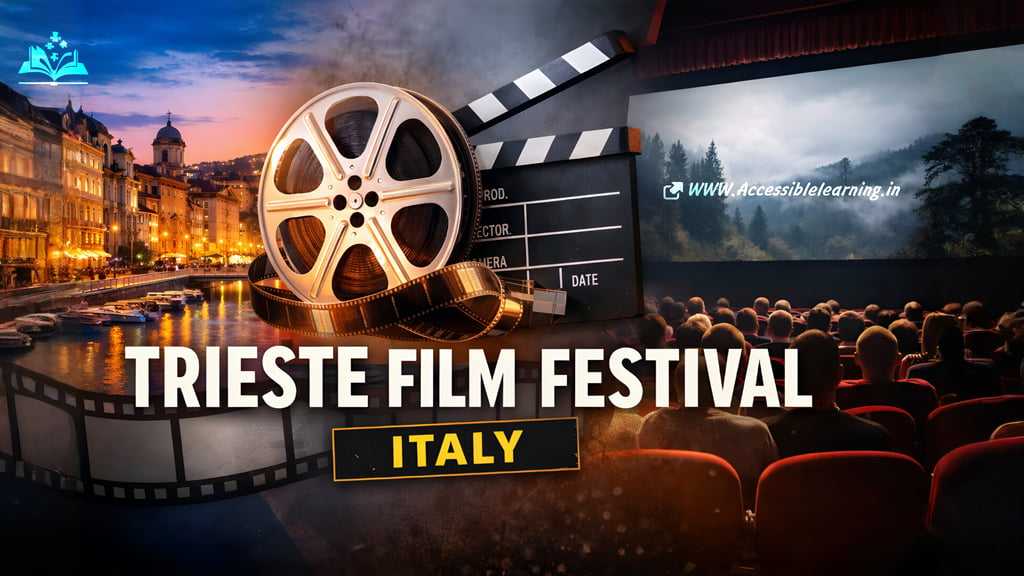
The Trieste Film Festival is one of Italy’s most distinctive cultural events, known for its deep focus on Central and Eastern European cinema. Held every year in the historic port city of Trieste, this festival is not about red carpets or celebrity buzz. It is about stories, history, and voices that often sit outside the mainstream film industry. For cinephiles, researchers, filmmakers, and culturally curious travelers, the Trieste Film Festival offers a rare and meaningful cinematic experience.
A Festival Shaped by Geography and History
Trieste’s location is central to the festival’s identity. Sitting at the crossroads of Latin, Slavic, and Germanic cultures, the city has long been a meeting point between Western Europe and the Balkans. This cultural blend makes Trieste a natural home for a film festival dedicated to Central and Eastern Europe.
The festival was founded in 1989, a period marked by political change across Eastern Europe. From the very beginning, its mission was clear: to create a platform where filmmakers from post-socialist countries could present their work to international audiences. Over the years, the festival has evolved, but its core purpose remains the same.
What Makes the Trieste Film Festival Unique
Unlike many international film festivals, Trieste does not aim to cover global cinema broadly. Its strength lies in its specialization. The festival focuses primarily on films from Central and Eastern Europe, including countries such as Poland, Hungary, the Czech Republic, Slovakia, Romania, Bulgaria, the Baltic states, the Balkans, and parts of the Caucasus.
This focus allows for deeper curation, stronger thematic coherence, and more meaningful discussions. Films often explore themes like identity, political transition, migration, memory, social change, and personal freedom. Many selections deal with real human struggles, told through intimate storytelling rather than spectacle.
Film Categories and Programming
The Trieste Film Festival presents a carefully structured program that balances competition, discovery, and reflection.
Feature Film Competition: This is the heart of the festival. It showcases first or second feature films by emerging directors from Central and Eastern Europe. The competition highlights new cinematic voices and often introduces directors who later gain international recognition.
Documentary Section: Documentaries play a major role at Trieste. These films often address social, historical, and political realities, offering grounded perspectives on life in the region. The documentary program is particularly respected for its depth and authenticity.
Short Films and Special Screenings: Short films provide space for experimentation and fresh ideas. The festival also includes retrospectives, thematic focuses, and tributes to influential filmmakers or cinematic movements from the region.
Awards and Recognition
Awards at the Trieste Film Festival are not just symbolic. Winning or even being selected can significantly boost a filmmaker’s international visibility. The main awards typically recognize best feature film, best documentary, and standout new talent.
Juries are composed of international film professionals, critics, and scholars, ensuring that films are evaluated with both artistic and cultural sensitivity.
Industry Events and Professional Opportunities
Beyond screenings, the festival serves as an important meeting point for film professionals. Workshops, panel discussions, and networking sessions are organized throughout the event. These gatherings encourage collaboration between filmmakers, producers, distributors, and cultural institutions.
For emerging filmmakers, Trieste offers a supportive environment where ideas can be exchanged without the commercial pressure found at larger festivals.
The Role of Trieste as a Cultural Host
Trieste itself adds immense value to the festival experience. With its Austro-Hungarian architecture, literary heritage, seaside atmosphere, and relaxed pace, the city creates an intimate setting for cinema lovers. Screenings often take place in historic theaters, enhancing the emotional connection between film, space, and audience.
The city’s cafes, bookstores, and waterfront become informal extension spaces for conversation, debate, and reflection during the festival days.
Why the Trieste Film Festival Matters Today
In a time when global cinema is often dominated by algorithms, franchises, and market trends, the Trieste Film Festival stands as a reminder of cinema’s cultural and human role. It preserves space for stories that might otherwise go unheard and encourages audiences to engage with different perspectives.
For anyone interested in European cinema, political storytelling, documentary filmmaking, or cross-cultural narratives, this festival is not just relevant; it is essential.


Planning a Visit
The Trieste Film Festival usually takes place in January, making it one of the first major European film festivals of the year. Tickets are generally accessible, and many screenings attract a diverse audience of locals, students, critics, and international guests.
English subtitles are commonly provided, making the festival welcoming to non-Italian speakers.
The Trieste Film Festival is more than an annual event. It is a cultural bridge between regions, histories, and people. By staying true to its mission for over three decades, it has earned a respected place in the international film festival landscape.
For viewers seeking thoughtful cinema, for filmmakers looking for genuine dialogue, and for travelers wanting a deeper cultural experience in Italy, the Trieste Film Festival offers something rare and lasting.
FAQs
Q: What is the Trieste Film Festival known for?
The Trieste Film Festival is best known for its strong focus on Central and Eastern European cinema. It highlights independent feature films, documentaries, and new filmmakers from regions that are often underrepresented at major international festivals.
Q: When does the Trieste Film Festival take place?
The festival is usually held every year in January. It is considered one of the first major European film festivals of the year.
Q: Where is the Trieste Film Festival held?
The festival takes place in Trieste, Italy, with screenings hosted in historic cinemas and cultural venues across the city.
Q: Who can attend the Trieste Film Festival?
The festival is open to everyone. Film professionals, students, critics, tourists, and general audiences can attend screenings and events by purchasing tickets or festival passes.
Q: Are films at the Trieste Film Festival subtitled in English?
Yes, most films are screened with English subtitles, making the festival accessible to international visitors.
Q: What type of films are shown at the Trieste Film Festival?
The festival features feature films, documentaries, and short films, mainly from Central and Eastern Europe. Many films focus on social issues, history, politics, and personal human stories.
Q: Is the Trieste Film Festival competitive?
Yes, the festival includes competitive sections, especially for first and second feature films and documentaries by emerging directors.
Q: Can independent filmmakers submit their films to the Trieste Film Festival?
Yes, independent filmmakers can submit their films during the official submission period, usually announced months before the festival.
Q: Does the Trieste Film Festival offer awards?
Yes, the festival presents awards for best feature film, best documentary, and other special jury recognitions.
Q: Why is Trieste an important location for this festival?
Trieste’s historical role as a crossroads between Western and Eastern Europe makes it an ideal location for a festival focused on cross-cultural and regional cinema.
Q: Is the Trieste Film Festival suitable for film students?
Absolutely. The festival is popular among film students because of its educational screenings, discussions, and exposure to non-mainstream European cinema.
Q: Are there industry events at the Trieste Film Festival?
Yes, the festival includes panel discussions, workshops, and networking sessions for filmmakers and industry professionals.
Q: How long does the Trieste Film Festival last?
The festival typically runs for about one week, featuring multiple screenings and events each day.
Q: Is the Trieste Film Festival focused on commercial films?
No, the festival mainly focuses on artistic, independent, and culturally significant films rather than commercial or blockbuster cinema.
Q: Is the Trieste Film Festival worth visiting for tourists?
Yes. For travelers interested in cinema, culture, and European history, the festival offers a meaningful experience combined with the charm of Trieste city.
Subscribe To Our Newsletter
All © Copyright reserved by Accessible-Learning Hub
| Terms & Conditions
Knowledge is power. Learn with Us. 📚

