

Torigoe Shrine Tondoyaki Bonfire: Tokyo’s Sacred Fire Ritual Explained
Discover the Torigoe Shrine Tondoyaki Bonfire, a traditional Japanese fire ritual that marks the spiritual end of the New Year. Explore its history, meaning, rituals, and cultural importance in modern Tokyo.
CULTURE/TRADITIONEVENT/SPECIALJAPANCELEBRATION/FESTIVALS
Kim Shin
12/31/20253 min read
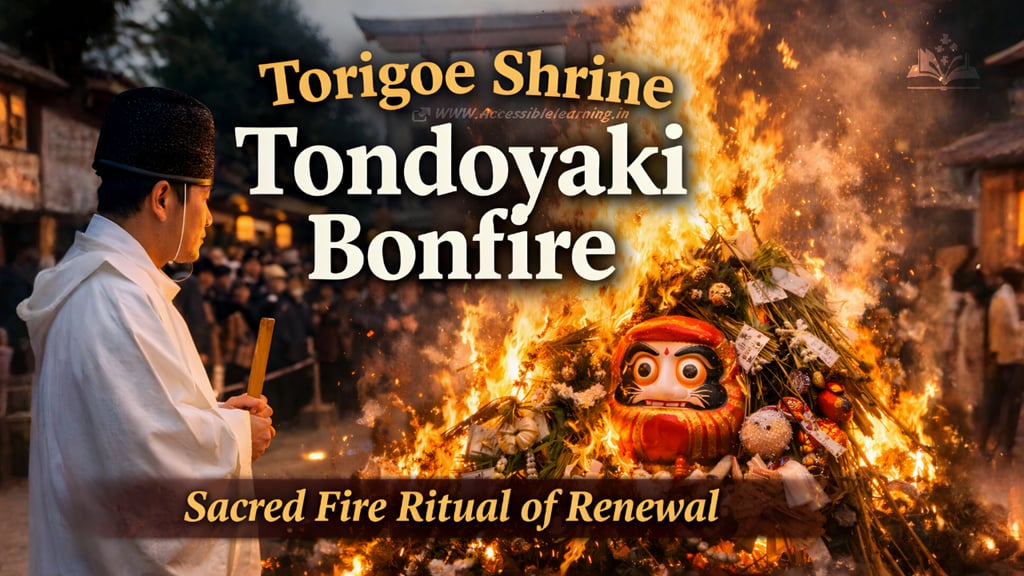
The Torigoe Shrine Tondoyaki Bonfire is a traditional Shinto fire ceremony that quietly but powerfully marks the end of Japan’s New Year season. Held each January at Torigoe Shrine in Tokyo’s historic Taito Ward, this ritual connects ancient belief, community life, and personal reflection through the symbolic act of fire.
Unlike large-scale festivals, Torigoe’s Tondoyaki feels intimate and grounded. It is not designed for spectacle but for meaning, making it one of the most authentic seasonal rituals still practiced in urban Japan.
Origins of Tondoyaki in Japanese Culture
Tondoyaki has roots stretching back centuries, long before modern calendars standardized New Year celebrations. In traditional belief, the New Year deity, Toshigami, visits homes at the beginning of the year and resides in decorations such as kadomatsu and shimenawa. When the New Year period ends, these items must be respectfully returned to the spiritual realm.
Fire serves as the bridge. Burning these sacred objects releases the deity and cleanses the household of spiritual residue from the previous year. This belief remains central to the Torigoe Shrine Tondoyaki Bonfire today.
Torigoe Shrine’s Historical Role in Edo Tokyo
Torigoe Shrine has long been associated with protection against disasters, craftsmanship, and local prosperity. Located in an area once filled with artisans and merchants, the shrine’s rituals evolved to reflect community cooperation and mutual responsibility.
The Tondoyaki Bonfire became a shared act of spiritual maintenance. Instead of private disposal, people gathered to purify the past year together, reinforcing trust and social bonds in a densely populated city.
Items Traditionally Burned in the Bonfire
Only spiritually significant items are accepted during the ritual. These commonly include:
Kadomatsu pine decorations
Shimenawa sacred ropes
Old omamori charms and talismans
New Year calligraphy and wish papers
Daruma dolls, often after goals have concluded
Each item carries personal meaning, making the fire a collective expression of thousands of individual hopes.
Ritual Flow and Sacred Timing
The timing of Tondoyaki is intentional. Mid-January represents a threshold between celebration and routine. The ceremony signals a return to everyday life, but with spiritual clarity.
At Torigoe Shrine, priests carefully prepare the fire space, perform purification chants, and oversee the burning to ensure respect for Shinto customs. The fire is never chaotic. It is controlled, calm, and deeply symbolic.
Mochi and the Belief in Fire-Blessed Strength
One of the most beloved aspects of Tondoyaki is the tradition of roasting mochi over the sacred flames. Eating this mochi is believed to protect against illness, strengthen the body, and bring resilience throughout the year.
This practice reflects a core Shinto idea. Spiritual power is not distant. It is absorbed through simple, everyday acts like eating, breathing, and gathering.
Psychological and Emotional Meaning
Beyond religion, the Torigoe Shrine Tondoyaki Bonfire serves a psychological purpose. It offers closure.
People silently watch personal items burn, reflecting on goals achieved, failures accepted, and lessons learned. In a culture that values emotional restraint, this ritual provides a rare, socially accepted moment of release.

Community Participation and Social Harmony
One striking feature of Torigoe’s Tondoyaki is its inclusiveness. There are no reserved spaces or special privileges. Elders, children, office workers, and shop owners stand together.
This shared experience reinforces harmony, a central Japanese value. The fire does not belong to one person. It belongs to everyone present.
Differences Between Torigoe Tondoyaki and Other Regions
While Tondoyaki is practiced across Japan, Torigoe’s version stands out for its urban intimacy. Rural areas often host massive fires in open fields. Torigoe Shrine adapts the ritual to limited space without losing spiritual integrity.
This balance between tradition and modern constraints reflects how Japanese culture preserves meaning even as environments change.
Respectful Attendance Guidelines
Visitors are welcome, but mindfulness is essential.
Follow shrine staff instructions closely
Avoid loud conversation during prayers
Do not bring non-ritual items
Dress modestly and warmly
Observe before photographing
Respect is considered an offering in itself.
Why the Torigoe Shrine Tondoyaki Bonfire Still Matters
In an age of digital resolutions and fleeting attention, this ritual reminds people to slow down. Fire demands presence. It cannot be rushed, paused, or scrolled past.
The Torigoe Shrine Tondoyaki Bonfire teaches a quiet lesson. Renewal is not about adding more. It is about releasing what no longer serves you.
A Living Tradition, Not a Memory
Torigoe Shrine’s Tondoyaki is not preserved behind glass. It is lived, repeated, and passed down. Each year, the fire changes because the people change, yet the meaning remains.
For anyone seeking to understand Japanese spirituality beyond surface-level festivals, this ceremony offers something rare. A moment where belief, community, and self-reflection meet in a single flame.
Subscribe to Frontier Intelligence
All © Copyright reserved by Accessible-Learning Hub
| Terms & Conditions
Accessible Learning Hub — Actionable clarity for high-agency minds.
Weekly breakdowns on AI breakthroughs, capital flow, and human performance systems. Zero fluff.