

Tokyo Auto Salon: Inside Japan’s Most Influential Custom Car Show
Tokyo Auto Salon is Japan’s most iconic custom car and tuning event, where bold design, high-performance engineering, and Japanese car culture come together. Held every January near Tokyo, the show highlights modified JDM legends, extreme builds, aftermarket innovation, and the trends that shape global automotive culture.
COMPANY/INDUSTRYJAPANEVENT/SPECIALTRAVEL LIFE
Kim Shin
1/2/20265 min read
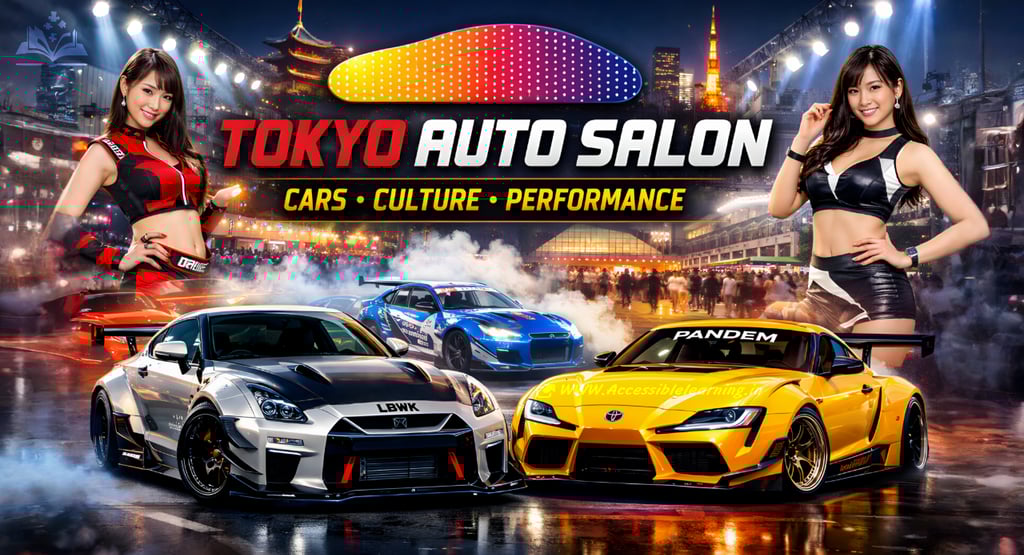
When people talk about Japan’s automotive soul, Tokyo Auto Salon (TAS) is always at the center of the conversation. Held every January at Makuhari Messe near Tokyo, this event is not just an auto show. It is a cultural statement. It reflects how deeply cars are woven into Japanese creativity, engineering, and lifestyle.
For enthusiasts, builders, and even casual visitors, Tokyo Auto Salon feels alive. The noise, the colors, the bold designs, and the obsession with detail make it unforgettable.
A Brief History of Tokyo Auto Salon
Tokyo Auto Salon started in 1983 under the name Tokyo Exciting Car Show. At the time, Japan’s tuning scene was growing fast, driven by street racing culture, motorsports, and a new generation of engineers who wanted more than factory limitations.
As performance cars like the Skyline GT-R, Supra, RX-7, and Civic gained popularity, the event evolved alongside them. By the 1990s, Tokyo Auto Salon had become the most important platform for aftermarket brands and custom builders in Japan.
Today, it stands as one of the top three automotive events in the world, alongside the SEMA Show (USA) and the Essen Motor Show (Germany), but with a uniquely Japanese identity.
Event Structure and Layout
Tokyo Auto Salon typically runs for three days:
Day 1: Industry and media day
Days 2 and 3: Open to the general public
Makuhari Messe is divided into multiple halls, each packed with exhibitors. Every hall has a different energy. Some focus on high-end tuning brands, others on grassroots builds, motorsports technology, or lifestyle merchandise.
Because of the scale, it is common for visitors to spend an entire day and still feel like they missed something.
The Role of Aftermarket and Tuning Brands
One of the strongest pillars of Tokyo Auto Salon is the aftermarket industry. This is where companies debut new products months before they appear in global markets.
You will see launches of:
Performance exhaust systems
Turbochargers and engine internals
Suspension and coilover setups
Carbon fiber body parts
Aerodynamic kits tested in real racing
Brands like HKS, Cusco, Tein, Endless, Bride, Volk Racing, and Yokohama use Tokyo Auto Salon as a live testing ground for public reaction. Feedback from TAS often influences production decisions.
Liberty Walk and the Rise of Extreme Styling
No discussion of Tokyo Auto Salon is complete without mentioning Liberty Walk. The brand has become a symbol of fearless customization. Their wide-body kits, exposed rivets, slammed supercars, and dramatic designs often dominate social media after every TAS edition.
Liberty Walk’s success at Tokyo Auto Salon helped normalize radical styling across the global tuning scene. What once felt shocking is now a recognized design language.
Drift Culture and Motorsports Presence
Japan’s motorsports DNA is deeply embedded in Tokyo Auto Salon. Drift cars from D1 Grand Prix and Formula Drift Japan are major attractions.
These are not display-only builds. Many of these cars are real competition machines, still carrying tire marks, battle scars, and functional setups. Engineers and drivers are often present to explain how the car performs on the track.
Time Attack cars, endurance builds, and GT-inspired machines also showcase how close the tuning world is to professional racing.
Technology, Innovation, and the Future of Cars
While Tokyo Auto Salon is famous for aggressive styling, it also embraces innovation and future mobility.
Recent editions have featured:
Electric vehicle conversions
Hybrid performance tuning
Lightweight materials and 3D-printed parts
Advanced ECU tuning and AI-assisted diagnostics
Sustainable fuels and emission-conscious builds
This shows how the tuning industry is adapting to modern regulations without losing its creative edge.
Promotional Models and Entertainment Culture
Tokyo Auto Salon is also known for its promotional models, often referred to as race queens or booth models. They are part of the show’s visual identity and help brands attract attention in a crowded space.
In addition to cars, visitors enjoy:
Live music and stage performances
Cosplay-inspired appearances
Influencer and YouTuber meetups
Limited-edition merchandise sales
This mix of automotive and pop culture makes the event appealing beyond hardcore car fans.
Media Coverage and Digital Impact
Tokyo Auto Salon generates massive online attention. Photos, reels, and videos from TAS dominate Instagram, YouTube, and automotive blogs every January.
Many viral car builds seen online were first revealed at this event. For builders and brands, a successful Tokyo Auto Salon appearance can lead to global recognition almost overnight.
Who Should Attend Tokyo Auto Salon?
Tokyo Auto Salon is ideal for:
Car enthusiasts and JDM fans
Automotive designers and engineers
Content creators and photographers
Business owners in the aftermarket industry
Travelers wanting to experience modern Japanese culture
Even if you are not deeply technical, the passion and craftsmanship are easy to appreciate.
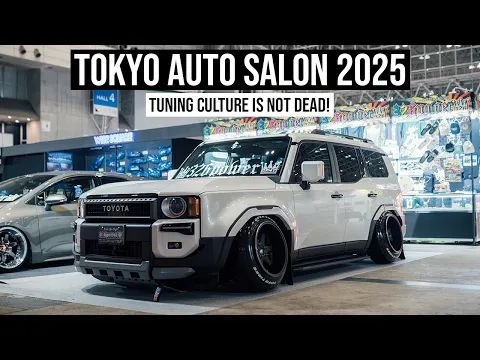
Why Tokyo Auto Salon Still Matters Today
In a time when cars are becoming quieter, more regulated, and increasingly digital, Tokyo Auto Salon represents resistance through creativity. It proves that personal expression still has a place in the automotive world.
The event continues to inspire new builders, influence global trends, and remind people that cars can be emotional, artistic, and fun.
Tokyo Auto Salon is not about following rules. It is about pushing limits, respecting heritage, and shaping the future of car culture at the same time.
If you want to understand why Japanese automotive culture is so influential worldwide, Tokyo Auto Salon is where that story comes alive.
FAQ's
Q: What is Tokyo Auto Salon?
Tokyo Auto Salon is Japan’s largest custom car and tuning exhibition, held annually in January at Makuhari Messe near Tokyo. It focuses on modified cars, performance upgrades, aftermarket parts, and Japanese car culture rather than standard production vehicles.
Q: When is Tokyo Auto Salon held?
Tokyo Auto Salon usually takes place in mid-January each year and runs for three days. One day is reserved for industry professionals and media, while the remaining days are open to the public.
Q: Where does Tokyo Auto Salon take place?
The event is hosted at Makuhari Messe in Chiba Prefecture, Japan. The venue is easily accessible from central Tokyo via public transportation, making it convenient for both local and international visitors.
Q: What kind of cars are shown at the Tokyo Auto Salon?
Tokyo Auto Salon features a wide range of vehicles, including tuned JDM cars, classic Japanese performance models, modern sports cars, drift and race builds, supercars, and creatively modified kei cars.
Q: How is Tokyo Auto Salon different from the Tokyo Motor Show?
While the Tokyo Motor Show focuses on production vehicles, concept cars, and future mobility, Tokyo Auto Salon is dedicated to customization, tuning, motorsports, and aftermarket innovation. It highlights individuality rather than mass production.
Q: Can international visitors attend Tokyo Auto Salon?
Yes, Tokyo Auto Salon is open to international visitors. Tickets can be purchased online, and English signage is common. The event attracts car enthusiasts from around the world every year.
Q: Which brands participate in the Tokyo Auto Salon?
Well-known brands such as Liberty Walk, HKS, GReddy, TOM’S, Spoon, BLITZ, and many global automotive companies participate. Both major manufacturers and independent builders showcase their latest work.
Q: Is Tokyo Auto Salon important for the aftermarket industry?
Yes, Tokyo Auto Salon is one of the most important global platforms for the aftermarket industry. Many companies use the event to launch new products, reveal concept builds, and gauge market response.
Q: Are electric and hybrid cars featured at Tokyo Auto Salon?
In recent years, Tokyo Auto Salon has included electric and hybrid performance builds, EV conversions, and sustainable automotive technologies, reflecting changes in the global automotive landscape.
Q: Is photography allowed at Tokyo Auto Salon?
Photography is generally allowed for personal use, and the event is popular among photographers and content creators. However, some booths may have specific restrictions, so visitors should always follow posted guidelines.
Q: Why is Tokyo Auto Salon famous worldwide?
Tokyo Auto Salon is famous for its bold customization, influence on global tuning trends, and deep connection to Japanese car culture. Many styles and ideas that become popular worldwide are first seen at this event.
Subscribe to Frontier Intelligence
All © Copyright reserved by Accessible-Learning Hub
| Terms & Conditions
Accessible Learning Hub — Actionable clarity for high-agency minds.
Weekly breakdowns on AI breakthroughs, capital flow, and human performance systems. Zero fluff.