

The Microplastic “Bloodline”: Why You Are Already Part Plastic
Microplastics are no longer just polluting oceans and ecosystems. Scientists have now detected plastic particles in human blood, lungs, organs, and even the placenta. This article explores how microplastics enter the human body, the potential health risks they pose, and why modern humans may already carry traces of plastic within them.
ENVIRONMENTABUSE/VIOLENCEHEALTH/DISEASEAWARE/VIGILANT
Kim Shin
3/22/20267 min read
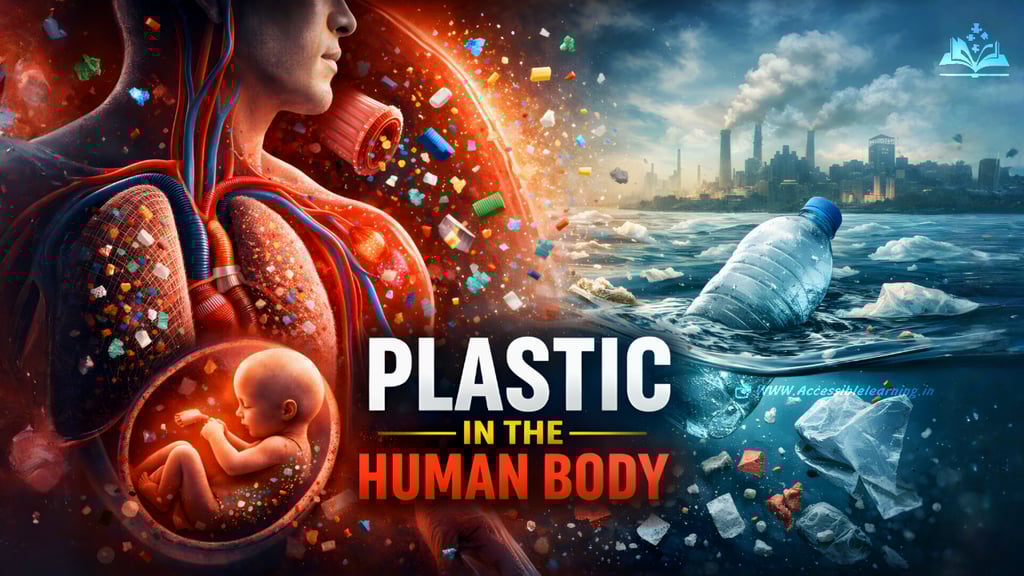
Plastic was once seen as a miracle material. It was cheap, durable, and endlessly useful. Today, it has quietly become something else entirely: a permanent companion to human life. Scientists now confirm that microscopic fragments of plastic are circulating through our bodies. These particles have been detected in blood, lungs, organs, and even unborn babies.
The unsettling reality is simple. Plastic pollution is no longer just an environmental issue. It has entered the human biological system. In a very literal sense, modern humans now carry traces of plastic inside them.
This phenomenon is sometimes described as the microplastic bloodline. It reflects a world where synthetic materials have become deeply embedded in both ecosystems and human biology.
Understanding Microplastics and Nanoplastics
Microplastics are extremely small plastic particles typically measuring less than 5 millimeters in size. Many are far smaller, invisible to the naked eye. When plastics break down through sunlight, heat, friction, or chemical reactions, they fragment into these tiny pieces.
Even smaller particles exist. These are called nanoplastics, often smaller than one micrometer. Because of their size, nanoplastics can cross biological barriers and interact directly with cells and tissues.
Microplastics originate from two main sources:
Primary microplastics
Manufactured intentionally at tiny sizes
Found in cosmetics, industrial abrasives, and cleaning products
Secondary microplastics
Created when larger plastic items degrade
Come from bottles, bags, packaging, synthetic fabrics, and tires
Over time, plastics in landfills, oceans, soil, and air break apart and release billions of microscopic particles into the environment.
How Microplastics Enter the Human Body
Humans encounter microplastics through everyday activities. These particles are now present in air, water, and food.
1. Drinking Water
Studies have found microplastics in both bottled water and tap water around the world. Plastic bottles, packaging, and filtration systems can release tiny fragments into water supplies.
In some bottled water tests, researchers found hundreds of plastic particles per liter.
2. Food Contamination
Microplastics appear in a wide range of foods, including:
Seafood and fish
Table salt
Honey
Fruits and vegetables
Packaged foods
Marine organisms often ingest plastic particles in polluted waters. These plastics then move up the food chain and eventually reach human diets.
3. Airborne Microplastics
Plastic fibers from clothing, carpets, and synthetic materials become airborne and circulate indoors and outdoors. These particles are small enough to be inhaled.
Indoor air can contain thousands of plastic fibers per cubic meter, especially in urban environments.
4. Everyday Contact
Plastic packaging, containers, and utensils also contribute to exposure. Heating plastic containers in microwaves or storing hot food in plastic packaging can accelerate particle release.


Microplastics Found Inside the Human Body
The discovery of microplastics inside human tissues has become one of the most concerning developments in environmental science. Researchers have detected plastic particles in multiple parts of the body, including
Human Blood
In 2022, scientists confirmed the presence of microplastics circulating in human blood samples. The study found several common plastic polymers, including PET and polystyrene.
This discovery suggests that microplastics can move through the bloodstream and potentially reach different organs.
Human Lungs
Airborne microplastics have been discovered deep inside lung tissue. Because many particles are small enough to bypass natural filtration in the respiratory system, they can become trapped in lung cells.
The Placenta
One of the most striking findings came when researchers identified microplastics in the human placenta. This suggests that unborn babies may be exposed to plastic particles before birth.
Other Organs
Recent research has also detected microplastics in:
Liver tissue
Kidney samples
Heart tissue
Breast milk
Arterial plaques
These findings indicate that microplastics can travel throughout the human body.
Why Microplastics Persist in the Body
Plastic polymers are designed to resist degradation. This durability is useful in manufacturing but problematic inside biological systems. Once microplastics enter the body, several factors allow them to persist:
Chemical stability
Many plastics resist breakdown by natural enzymes and biological processes.
Small size
Nanoplastics can pass through cell membranes and biological barriers.
Surface properties
Plastic particles can bind with heavy metals, pollutants, and bacteria, turning them into chemical carriers.
As a result, these particles may accumulate over time.
Potential Health Implications
The long-term health impact of microplastics is still being studied. However, early research suggests several possible concerns.
Inflammation and Tissue Irritation
Plastic particles can trigger immune responses when detected as foreign materials. This may lead to inflammation in tissues where particles accumulate.
Chemical Exposure
Many plastics contain additives such as:
Bisphenols (BPA)
Phthalates
Flame retardants
These chemicals can interfere with hormones and metabolic processes.
Cellular Stress
Laboratory studies suggest microplastics may disrupt cellular function and create oxidative stress in cells.
Cardiovascular Risk
Recent studies have linked microplastic particles found in arterial plaques with a higher risk of heart attack and stroke. While research is still developing, the connection is drawing increasing attention.
The Environmental Cycle Feeding Human Exposure
Microplastics do not stay in one place. They move through a complex environmental cycle. Plastic waste breaks down in landfills, oceans, and rivers. From there, particles travel through water systems, agricultural soil, and the atmosphere.
Rain and wind redistribute these particles globally. Microplastics have even been detected in remote environments such as Arctic snow and mountain air. Once they enter ecosystems, they circulate through plants, animals, and food chains, eventually returning to humans.
The Role of Synthetic Textiles and Urban Living
One of the largest sources of microplastics today is synthetic clothing. Polyester, nylon, and acrylic fabrics release microscopic fibers during washing and everyday wear. A single laundry cycle can release hundreds of thousands of plastic fibers into wastewater.
Urban environments amplify this problem because of:
High plastic consumption
Synthetic materials in clothing and furniture
Tire dust from road traffic
Industrial emissions
These factors create a constant flow of plastic particles into the air and water.
Can the Body Remove Microplastics?
Some microplastic particles may be expelled through natural biological processes such as digestion and mucus clearance. However, very small particles may remain embedded in tissues. Nanoplastics, in particular, pose a challenge because they can cross biological barriers and interact directly with cells.
Scientists are still investigating whether long-term accumulation occurs and how efficiently the body can eliminate these particles.

Reducing Personal Exposure
Completely avoiding microplastics is nearly impossible today, but certain lifestyle choices can reduce exposure. Some practical steps include:
Drinking filtered tap water instead of bottled water
Avoiding heating food in plastic containers
Choosing natural fibers like cotton or wool
Using glass or stainless steel food storage
Ventilating indoor spaces regularly
Limiting heavily packaged foods
While these actions cannot eliminate exposure entirely, they can reduce the amount of plastic particles entering the body.
The Future of Plastic Research
The discovery of microplastics in human blood and organs has triggered a wave of global research. Scientists are now working to understand three key questions:
How much plastic accumulates in the body over a lifetime
Which particles are most biologically active
What long-term health effects may emerge
New detection technologies are helping researchers identify particles at increasingly smaller scales, including nanoplastics. At the same time, governments and environmental groups are pushing for reductions in single-use plastics and improvements in recycling systems.
A New Biological Reality
For decades, plastic pollution was treated as an environmental issue happening somewhere else. Oceans filled with plastic debris and wildlife ingestion were the most visible consequences.
Today, the situation looks different. Plastic is no longer only in oceans or landfills. It is inside the human body.
The concept of a microplastic bloodline captures this shift. Humanity has entered an era where synthetic materials are integrated into our biological systems. Every generation born into the modern world will likely carry traces of plastic within them.
Understanding this reality may shape future decisions about materials, manufacturing, and environmental responsibility. The age of plastic is no longer just around us. It is now within us.
Frequently Asked Questions
Q: What are microplastics, and why are they dangerous?
Microplastics are tiny plastic particles smaller than 5 millimeters that come from the breakdown of larger plastic items or are manufactured at microscopic sizes. They are concerning because they can enter the human body through food, water, and air. Once inside, they may trigger inflammation, carry toxic chemicals, and potentially disrupt cellular processes. Scientists are still studying their long-term health effects.
Q: Have scientists really found microplastics in human blood?
Yes. Scientific studies have confirmed the presence of microplastics in human blood samples. Researchers detected common plastic polymers such as PET, polyethylene, and polystyrene. This discovery suggests that microplastic particles can circulate through the bloodstream and potentially reach different organs in the body.
Q: How do microplastics enter the human body?
Microplastics typically enter the body through three main pathways: ingestion, inhalation, and direct contact. People consume them through contaminated food and drinking water, inhale them from airborne fibers released by synthetic fabrics and dust, and encounter them through everyday plastic products such as packaging and containers.
Q: Which foods contain the most microplastics?
Microplastics have been found in several common foods, including seafood, table salt, bottled water, honey, fruits, vegetables, and processed foods. Marine organisms often ingest plastic particles in polluted waters, which allows microplastics to move up the food chain and eventually reach humans.
Q: Can the human body remove microplastics naturally?
The body can remove some microplastics through digestion, mucus, and other natural filtration systems. However, extremely small particles known as nanoplastics may pass through biological barriers and remain inside tissues. Scientists are still researching how long these particles stay in the body and whether they accumulate over time.
Q: Are microplastics harmful to human health?
Research is still ongoing, but early studies suggest microplastics could contribute to inflammation, oxidative stress, hormone disruption, and cardiovascular risks. Some plastic additives, such as BPA and phthalates, are known endocrine disruptors. While the full impact is not yet understood, scientists consider microplastic exposure an emerging public health concern.
Q: Can microplastics reach unborn babies?
Yes. Researchers have detected microplastic particles in human placentas, which means unborn babies may be exposed before birth. This discovery has raised concerns about how plastic exposure could affect early human development, although long-term effects are still under investigation.
Q: How can people reduce microplastic exposure in everyday life?
Although it is impossible to avoid microplastics completely, exposure can be reduced by using glass or stainless steel containers, avoiding heating food in plastic packaging, choosing natural fiber clothing, drinking filtered tap water instead of bottled water, and improving ventilation indoors to reduce airborne plastic fibers.
Q: Why are microplastics becoming a global health issue?
Microplastics are now present in oceans, soil, air, drinking water, and food systems worldwide. Because these particles circulate through ecosystems and the human body, scientists are increasingly treating microplastic contamination as both an environmental crisis and a potential public health challenge.
Subscribe to Frontier Intelligence
All © Copyright reserved by Accessible-Learning Hub
| Terms & Conditions
Accessible Learning Hub — Actionable clarity for high-agency minds.
Weekly breakdowns on AI breakthroughs, capital flow, and human performance systems. Zero fluff.