

The Medical-Grade Wearable Revolution: How Smart Devices Are Redefining Healthcare
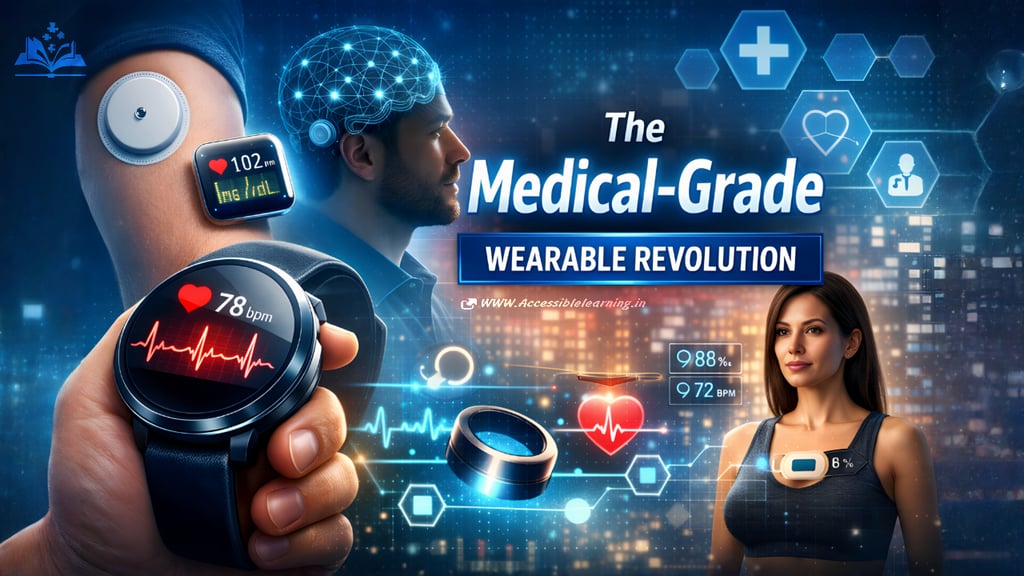
Medical-grade wearables are transforming healthcare from occasional checkups into continuous, real-time monitoring. From ECG smartwatches and glucose sensors to AI-powered biosensor patches, these devices are helping doctors detect disease earlier, manage chronic conditions better, and bring personalized care into everyday life. This article explores how medical-grade wearables work, why they matter, hidden uses you may not know about, and what the future of wearable healthcare looks like.
HEALTH/DISEASECOMPANY/INDUSTRY
Kim Shin
2/22/20265 min read
How Personal Devices Are Becoming Trusted Healthcare Tools
Wearables started as step counters. Today, some of them can detect heart rhythm problems, monitor glucose levels, track oxygen saturation, analyze sleep disorders, and even warn about potential illness before symptoms appear.
This is not just better technology. It is a shift in how healthcare works. Medical-grade wearables are turning medicine from something you visit occasionally into something that quietly protects you every day.
What Makes a Wearable Truly Medical-Grade?
A device becomes medical-grade when its data is accurate enough for clinical decisions. It must go through testing, validation, and safety standards similar to other medical equipment.
Key qualities include:
Clinical accuracy
Consistent performance over time
Medical validation studies
Data security compliance
Clear measurement limitations
A normal smartwatch tracks fitness trends. A medical-grade device can help detect arrhythmia, sleep apnea, glucose spikes, or respiratory decline. That difference can save lives.
The Technologies Powering This Revolution
Medical wearables exist because several breakthroughs happened together.
Optical Sensors
Green-light sensors measure blood flow. Infrared sensors detect oxygen levels. New sensors analyze hydration, stress hormones, and more.
Bioelectrical Measurement
Tiny electrodes track ECG signals, muscle activity, and nerve signals continuously.
Microfluidics
Wearables can now analyze sweat chemistry for hydration, electrolytes, and metabolic signals.
AI Signal Processing
Machine learning models filter noise, detect patterns, and predict health risks.
Cloud Healthcare Platforms
Doctors can monitor thousands of patients remotely with dashboards and alerts.
Medical-Grade Wearables by Health Category
Heart Health
ECG monitoring
Atrial fibrillation detection
Heart rate variability tracking
Early heart failure warning signals
Diabetes Care
Continuous glucose monitors
Smart insulin pump integration
Hypoglycemia alerts
Respiratory Monitoring
Oxygen saturation tracking
Asthma monitoring
Sleep apnea detection
Neurological Monitoring
Seizure detection wearables
Parkinson’s tremor tracking
Cognitive decline pattern analysis
Maternal and Infant Health
Fetal heart monitoring belts
Baby breathing monitors
Postpartum recovery trackers
Healthcare is becoming specialized and continuous.


Hidden Features Most People Don’t Know About
Many medical-grade wearables can already do surprising things.
Detecting Fever Before Symptoms
Temperature pattern shifts can reveal infections early.
Measuring Stress Chemistry
Some wearables analyze sweat cortisol levels to estimate stress.
Tracking Medication Response
Doctors can see how the body reacts to treatment in real time.
Fall Detection for Seniors
Wearables can automatically alert family or emergency services.
Hydration Monitoring for Athletes
Sweat sensors measure sodium loss to prevent dehydration.
Surgical Recovery Tracking
Patients recovering from surgery can be monitored from home.
These features move healthcare from emergency response to prevention.
How Hospitals Are Using Wearables
Hospitals are adopting wearables faster than most people realize.
Remote Patient Monitoring
Patients with chronic illness can stay home while doctors monitor vitals.
Post-Surgery Monitoring
Patients are discharged earlier but tracked continuously.
ICU Step-Down Care
Wearables help monitor patients outside intensive care units.
Clinical Trials
Pharmaceutical companies use wearables to measure real-world treatment results.
Workforce Health
Hospitals track fatigue and stress levels in healthcare workers.
Wearables reduce costs and improve patient outcomes.
The Role of AI in Medical Wearables
AI is the brain behind modern wearable healthcare. It can:
Predict disease risk
Detect anomalies in heart rhythm
Identify sleep disorders
Track mental health patterns
Optimize medication timing
Instead of just measuring health, wearables are learning to understand it. In the future, AI will personalize treatment plans based on your unique body data.
Data Ownership and Ethical Questions
Medical-grade wearables raise big questions.
Who owns your health data?
Can insurance companies use it?
Should employers access wellness metrics?
How do we protect sensitive information?
Ethical design is as important as technological design. Trust will decide which companies succeed.
The Psychological Side of Constant Monitoring
Some people feel safer with wearable tracking. Others feel stressed. This is called health anxiety from over-monitoring.
Good wearable design must balance:
Useful alerts
Minimal false alarms
Clear explanations
Healthy usage habits
Technology should support mental health, not harm it.

Wearables and Preventive Medicine
Preventive care is the biggest impact of medical-grade wearables. Imagine detecting:
Heart disease years early
Diabetes risk in teenagers
Sleep disorders before complications
Depression through sleep and activity changes
Preventive healthcare saves money, time, and lives. Wearables may become the first line of defense in medicine.
The Business and Industry Impact
Medical-grade wearables are reshaping multiple industries.
Insurance
Insurance companies may offer discounts for healthy wearable data.
Pharma
Drug companies track patient response continuously.
Fitness Industry
Fitness coaching is becoming health coaching.
Workplace Wellness
Companies monitor employee health risks.
Telemedicine
Doctors can diagnose patients remotely with better data.
Healthcare is becoming digital, connected, and personalized.
The Next Wave of Innovation
Future medical-grade wearables will include:
Smart Clothing
Clothes that track posture, muscle activity, and heart signals.
Electronic Skin
Flexible patches that monitor multiple signals at once.
Brain-Computer Wearables
Devices that monitor brain signals for paralysis therapy or mental health care.
Implantable Micro Sensors
Tiny implants that monitor internal chemistry.
Predictive Health AI
Systems that warn about disease years before symptoms.
Healthcare will become invisible but powerful.
What This Means for Rural and Emerging Regions
Medical-grade wearables can transform healthcare access. Patients in remote areas can be monitored by city doctors. Chronic illness can be tracked without travel. Emergency alerts can reach help faster. In countries with limited hospitals, wearables may become a healthcare bridge.
How to Choose a Reliable Medical Wearable
Before buying, check:
Clinical testing results
Medical certification
Battery reliability
Data privacy controls
Compatibility with doctors’ systems
A flashy device is not always a safe one.
The Future of Personal Healthcare
Medical-grade wearables are not just gadgets. They are a new healthcare model. They help doctors see problems earlier. They help patients understand their bodies. They help healthcare systems reach more people.
In the near future, your wearable may quietly detect illness before you feel it. It may adjust your medication schedule. It may call emergency help automatically. This revolution is quiet, but it is powerful. And it is only getting started.


Frequently Asked Questions
Q: What is a medical-grade wearable device?
A medical-grade wearable is a device tested and validated for clinical accuracy. Doctors can use its data to monitor or detect health conditions, unlike regular fitness trackers that are meant only for general wellness.
Q: How is a medical wearable different from a normal smartwatch?
Normal smartwatches estimate health metrics. Medical-grade wearables provide clinically reliable measurements such as ECG readings, glucose monitoring, or sleep apnea detection. They often meet regulatory standards and are used in real healthcare settings.
Q: Are medical-grade wearables safe to use every day?
Yes, most are designed for long-term use. They undergo safety testing and are made with skin-friendly materials. Still, it’s important to follow usage guidelines and consult a doctor if unsure.
Q: Can medical wearables replace doctors?
No. They support doctors, not replace them. Wearables provide continuous data that helps doctors make better decisions, but diagnosis and treatment still require professional medical care.
Q: What health conditions can medical-grade wearables monitor?
They can monitor:
Heart rhythm disorders
Diabetes and glucose levels
Sleep apnea
Oxygen saturation
Blood pressure trends
Stress and activity patterns
Post-surgery recovery
The list is growing every year.
Q: Are medical wearables accurate?
High-quality medical wearables are very accurate, but no device is perfect. Accuracy depends on proper use, device quality, and the type of measurement. Always compare results with professional medical tests when needed.
Q: Do medical wearables protect personal health data?
Most trusted devices use encryption and privacy protections. Still, users should check privacy policies, data sharing rules, and app permissions before using any wearable.
Q: Are medical-grade wearables expensive?
Some devices are costly, especially advanced glucose monitors or hospital-grade sensors. But prices are dropping as technology improves. Insurance and healthcare programs in some regions may also support them.
Q: Who should use medical wearables?
They are especially helpful for:
People with chronic diseases
Elderly patients
Athletes in recovery
Patients after surgery
People who want preventive health monitoring
But anyone interested in tracking health trends can benefit.
Q: What is the future of medical-grade wearables?
Future wearables may detect disease years early, monitor mental health more accurately, integrate with hospitals instantly, and use AI to predict health risks. Some may even look like skin patches or smart clothing.
Q: Can wearables detect illness before symptoms appear?
In some cases, yes. Changes in heart rate, sleep patterns, or oxygen levels can signal infection, stress, or heart problems early. Researchers are improving predictive systems using AI.
Q: Are medical wearables approved by doctors?
Many doctors recommend certain wearables, especially for heart monitoring or diabetes care. It’s best to ask your doctor which device suits your specific health needs.
Subscribe To Our Newsletter
All © Copyright reserved by Accessible-Learning Hub
| Terms & Conditions
Knowledge is power. Learn with Us. 📚

