

Tanabata (Star Festival): Japan's Enchanting Celebration of Wishes, Stars, and Ancient Romance
Discover Tanabata, Japan's Star Festival, its fascinating origins, the legend of Orihime and Hikoboshi, traditions, celebrations, cultural significance, and travel tips for experiencing this magical event.
CULTURE/TRADITIONEVENT/SPECIALTRAVEL LIFEJAPAN
Kim Shin
6/28/20267 min read
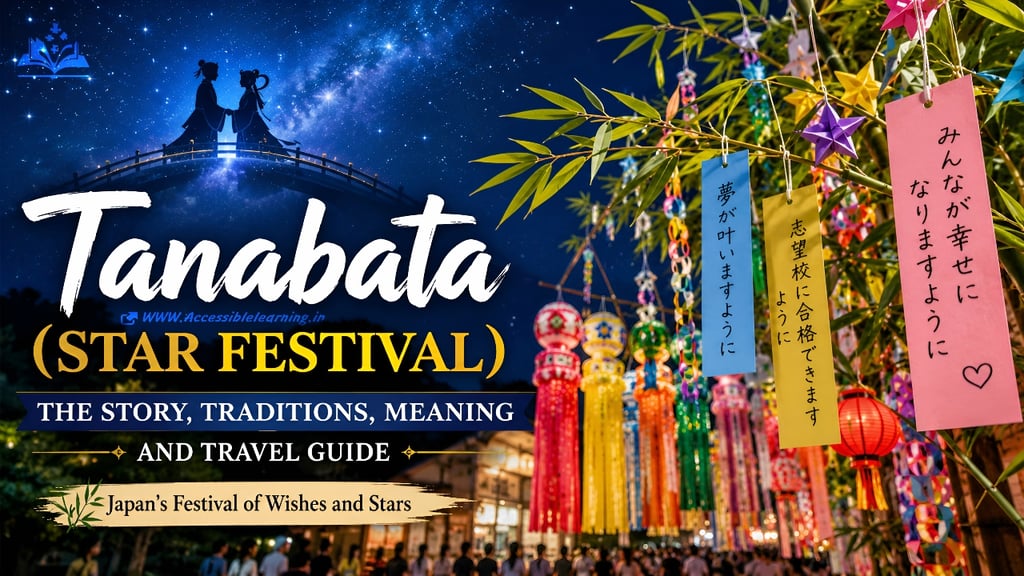
Tanabata: A Festival Where Dreams Meet the Stars
Every year, colorful strips of paper sway gently from bamboo branches across Japan as people write their hopes, ambitions, and heartfelt wishes. This beloved tradition is known as Tanabata (七夕), often called the Star Festival, one of Japan's most beautiful and meaningful cultural celebrations.
More than just a festival, Tanabata is a story of love, separation, perseverance, and hope. Rooted in ancient Chinese astronomy and adapted through centuries of Japanese culture, the festival connects mythology, seasonal traditions, and personal aspirations in a way few celebrations can.
Today, Tanabata attracts millions of participants across Japan and increasingly fascinates people worldwide who are interested in Japanese culture, folklore, and seasonal festivals.
What Is Tanabata?
Tanabata is a traditional Japanese festival celebrated on the seventh day of the seventh month. Depending on the region, it may be observed on July 7 or in August, according to the lunar calendar. The festival commemorates the legendary meeting of two celestial lovers represented by stars in the night sky:
Orihime (Vega), the Weaving Princess
Hikoboshi (Altair), the Cowherd
According to legend, they are separated by the Milky Way and allowed to meet only once a year during Tanabata.
The festival symbolizes the following:
Love and devotion
Hope and perseverance
Personal dreams and goals
The connection between heaven and earth
The importance of effort and dedication
The Legend Behind Tanabata
The Love Story of Orihime and Hikoboshi
The origins of Tanabata are closely tied to an ancient tale that has been told for over a thousand years. Orihime was the daughter of a heavenly king. She spent her days weaving beautiful fabrics beside the celestial river known as the Milky Way. Though diligent and talented, she felt lonely.
Concerned for his daughter, the king arranged for her to meet Hikoboshi, a hardworking cowherd who lived on the opposite side of the heavenly river.
The two fell deeply in love and soon married.
However, their happiness created a problem.
Orihime neglected her weaving duties, while Hikoboshi stopped caring for his cattle. Their work suffered, and chaos spread throughout heaven.
Enraged, the king separated them across the Milky Way and forbade them from seeing one another.
Heartbroken, Orihime cried endlessly. Moved by her sorrow, the king agreed to allow the couple to reunite once each year on the seventh day of the seventh month, provided they continued to fulfill their responsibilities.
When rain falls on Tanabata, it is said that the lovers cannot cross the celestial river. In some versions of the story, a flock of magpies forms a bridge with their wings so the couple can meet.
This timeless story remains the emotional heart of the festival.
Historical Origins of Tanabata
Chinese Roots
Tanabata did not originate solely in Japan. The festival traces its origins to China's Qixi Festival, which dates back more than two thousand years. The Chinese story of the Weaver Girl and the Cowherd inspired similar traditions across East Asia.
The celebration entered Japan during the Nara Period (710–794 CE) through cultural exchanges between China and Japan.
Integration into Japanese Culture
After arriving in Japan, the festival merged with native traditions and court customs. Japanese aristocrats embraced the event as an occasion to:
Write poetry
Pray for artistic talent
Improve skills in weaving and craftsmanship
Celebrate celestial events
During the Heian Period (794–1185 CE), Tanabata became especially popular among nobles who admired literature, music, and calligraphy.
Over time, common people adopted the celebration, transforming it into the colorful community festival recognized today.
Why Is Tanabata Called the Star Festival?
The name "Star Festival" comes directly from the celestial identities of the legendary lovers.
Orihime = Vega
Vega is one of the brightest stars visible in the summer sky. It represents:
Creativity
Skill
Dedication
Artistic achievement
Hikoboshi = Altair
Altair is another bright summer star. It symbolizes:
Hard work
Responsibility
Perseverance
Commitment
The Milky Way
The Milky Way separates the two stars, reflecting the lovers' annual separation. On clear summer nights, many people look toward the sky hoping to glimpse the symbolic reunion of Vega and Altair.

Tanabata Traditions and Customs
Writing Wishes on Tanzaku
Perhaps the most recognizable Tanabata tradition involves writing wishes on colorful paper strips called tanzaku. Participants write aspirations such as the following:
Academic success
Career goals
Health and happiness
Personal growth
Family well-being
Romantic hopes
The tanzaku are then hung from bamboo branches. This practice reflects the belief that expressing one's goals increases commitment toward achieving them.
Decorating Bamboo Branches
Bamboo is central to Tanabata celebrations. It is chosen because:
It grows straight toward the sky.
It symbolizes strength and resilience.
Ancient beliefs associated bamboo with spiritual protection.
Homes, schools, shopping streets, and public spaces display elaborately decorated bamboo branches during the festival.
Traditional Tanabata Decorations
Paper Cranes (Orizuru)
Represent:
Longevity
Good fortune
Peace
Paper Kimono
Symbolize:
Improved sewing skills
Protection from illness
Decorative Nets
Represent:
Successful fishing
Abundance
Paper Chains
Symbolize:
Strong relationships
Community connections
Money Purses
Represent:
Financial prosperity
Business success
Each decoration carries symbolic meaning tied to prosperity and personal growth.
Famous Tanabata Festivals in Japan
Many cities host large-scale celebrations, but several have become internationally famous.
Sendai Tanabata Festival
The Sendai Tanabata Festival is Japan's most famous Tanabata celebration.
Held annually in August, it features:
Massive colorful streamers
Elaborate handcrafted decorations
Street performances
Fireworks displays
Cultural exhibitions
Millions of visitors attend each year.
Shonan Hiratsuka Tanabata Festival
Located near Tokyo, this festival is known for:
Giant bamboo displays
Community parades
Traditional performances
Vibrant shopping street decorations
It is among the largest Tanabata celebrations in the country.
Anjo Tanabata Festival
Held in Aichi Prefecture, this event combines:
Traditional customs
Modern entertainment
Family-friendly activities
Cultural showcases
The city is often referred to as one of Japan's leading "Tanabata towns."

Foods Associated with Tanabata
Food plays an important role in seasonal Japanese festivals.
Somen Noodles
Thin white noodles are the most iconic Tanabata food. Their appearance is said to resemble the following:
Threads woven by Orihime
Streams of the Milky Way
Eating somen is believed to bring good health and skill.
Seasonal Summer Dishes
Popular festival foods include:
Grilled corn
Yakitori
Takoyaki
Kakigori (shaved ice)
Festival sweets
Many communities combine Tanabata with local culinary traditions.
Symbolism and Meaning of Tanabata
At its core, Tanabata is not merely a romantic story. The festival conveys several enduring lessons.
Love Requires Commitment
Orihime and Hikoboshi lose their privilege when they neglect their responsibilities.
Their story suggests that relationships flourish only when balanced with duty and effort.
Dreams Require Action
Writing wishes is not magical thinking.
Historically, Tanabata encouraged people to improve their skills through dedication and practice.
The tradition emphasizes action rather than passive hope.
Separation Makes Reunion Meaningful
The lovers' annual meeting highlights the value of patience, persistence, and appreciation.
The story resonates because it reflects a universal human experience: longing for something important.
Tanabata in Modern Japan
Today, Tanabata continues to evolve.
Schools organize wish-writing activities.
Businesses create elaborate decorations.
Tourist destinations host themed events.
Social media has expanded the festival's reach, allowing people around the world to participate virtually.
Despite modernization, the core message remains unchanged:
People still gather to reflect on their goals, express gratitude, and look toward the future with hope.
How People Around the World Celebrate Tanabata
Japanese cultural organizations, museums, schools, and community centers worldwide now host Tanabata events. Activities often include:
Writing wishes on tanzaku
Learning Japanese calligraphy
Making origami decorations
Storytelling sessions
Cultural performances
These celebrations help introduce global audiences to Japanese traditions while preserving the spirit of the festival.
Tanabata remains one of Japan's most captivating cultural celebrations because it combines mythology, astronomy, seasonal beauty, and human aspiration into a single festival. The story of Orihime and Hikoboshi has endured for centuries not simply because it is romantic but because it reflects a deeper truth: meaningful dreams require patience, effort, and perseverance.
Every colorful wish hanging from a bamboo branch carries the same message that has echoed through generations. Hope alone is not enough. Wishes become reality only when paired with action. That enduring lesson is what continues to make Tanabata relevant in the modern world and why the Star Festival remains a cherished tradition across Japan and beyond.
Frequently Asked Questions
Q: What does Tanabata mean?
Tanabata literally refers to the traditional Japanese Star Festival celebrating the annual reunion of Orihime and Hikoboshi.
Q: When is Tanabata celebrated?
Most regions celebrate on July 7, while some areas observe the festival in August according to the traditional lunar calendar.
Q: Why do people write wishes during Tanabata?
Writing wishes on tanzaku symbolizes setting goals, expressing hopes, and striving for personal improvement.
Q: What stars represent Orihime and Hikoboshi?
Orihime is represented by Vega, while Hikoboshi is represented by Altair.
Q: Why is bamboo used in Tanabata?
Bamboo symbolizes growth, resilience, and a connection between earth and the heavens.


Travel Tips for Experiencing Tanabata in Japan
For travelers interested in Japanese culture, Tanabata offers a unique opportunity to experience traditional customs, seasonal festivities, and local community celebrations. Planning ahead can make the experience far more rewarding.
Choose the Right Festival Location
While Tanabata is celebrated throughout Japan, some cities host larger and more elaborate events. Popular destinations include:
Sendai for its world-famous Tanabata decorations
Hiratsuka for its lively street atmosphere
Anjo for a blend of traditional and modern celebrations
Smaller regional towns for a more authentic local experience
Each location has its own traditions, schedules, and decorations, making every festival unique.
Understand the Festival Dates
One common mistake among visitors is assuming that all Tanabata celebrations occur on July 7. In reality:
Many regions celebrate on July 7 according to the modern calendar.
Others follow the traditional lunar calendar and hold festivities in August.
Always verify local festival dates before making travel arrangements.
Arrive Early for Major Events
Popular Tanabata festivals attract large crowds, especially during evenings and weekends. To avoid congestion:
Arrive early in the day.
Reserve accommodations well in advance.
Use public transportation whenever possible.
Allow extra time for movement through festival areas.
Hotels near major festival venues often sell out months ahead of the event.
Participate in Local Traditions
Visitors are encouraged to join the festivities. Many festival locations provide:
Tanzaku wish papers
Bamboo display areas
Cultural workshops
Origami activities
Traditional performances
Writing a wish and hanging it on a bamboo branch is one of the most memorable ways to participate in Tanabata.
Experience Traditional Japanese Summer Culture
Tanabata often coincides with other seasonal attractions. Travelers may also enjoy:
Summer fireworks displays
Local food stalls
Traditional yukata attire
Evening street performances
Seasonal markets and cultural exhibitions
Combining these experiences creates a deeper appreciation of Japan's summer festival culture.
Look for Vega and Altair
If the weather is clear, take time to observe the night sky. Vega and Altair are among the brightest stars visible during summer and serve as the celestial symbols of Orihime and Hikoboshi. Finding these stars adds a meaningful connection to the legend that inspired the festival.
Respect Local Customs
Japanese festivals are welcoming, but visitors should remain mindful of local etiquette. Helpful practices include:
Following instructions from event staff
Keeping public areas clean
Disposing of trash properly
Respecting queues and crowded spaces
Asking permission before photographing individuals
A respectful approach enhances the experience for both visitors and local communities.
Capture the Decorations After Sunset
Many Tanabata decorations become particularly beautiful in the evening when illuminated by festival lighting. For photography enthusiasts:
Visit both during daylight and after dark.
Bring a camera suitable for low-light conditions.
Explore side streets and smaller displays in addition to main attractions.
Some of the most memorable festival scenes can be found away from the busiest areas.
Why Tanabata Is Worth Experiencing
Unlike many modern festivals focused solely on entertainment, Tanabata combines folklore, astronomy, cultural heritage, and personal reflection. Whether you are interested in Japanese traditions, photography, history, or simply experiencing a unique seasonal event, Tanabata offers a meaningful glimpse into a celebration that has connected generations for more than a thousand years.
Subscribe to Frontier Intelligence
All © Copyright reserved by Accessible-Learning Hub
| Terms & Conditions
Accessible Learning Hub — Actionable clarity for high-agency minds.
Weekly breakdowns on AI breakthroughs, capital flow, and human performance systems. Zero fluff.