

Steve Jobs: The Visionary Who Revolutionized Technology, Design, and Digital Culture
Discover how Steve Jobs revolutionized technology, design, and culture. Explore his journey from Apple's garage to creating the iPhone, iPad, and digital revolution.
ENTREPRENEUR/BUSINESSMANCOMPANY/INDUSTRYBIOGRAPHY
Kim Shin
1/10/202611 min read
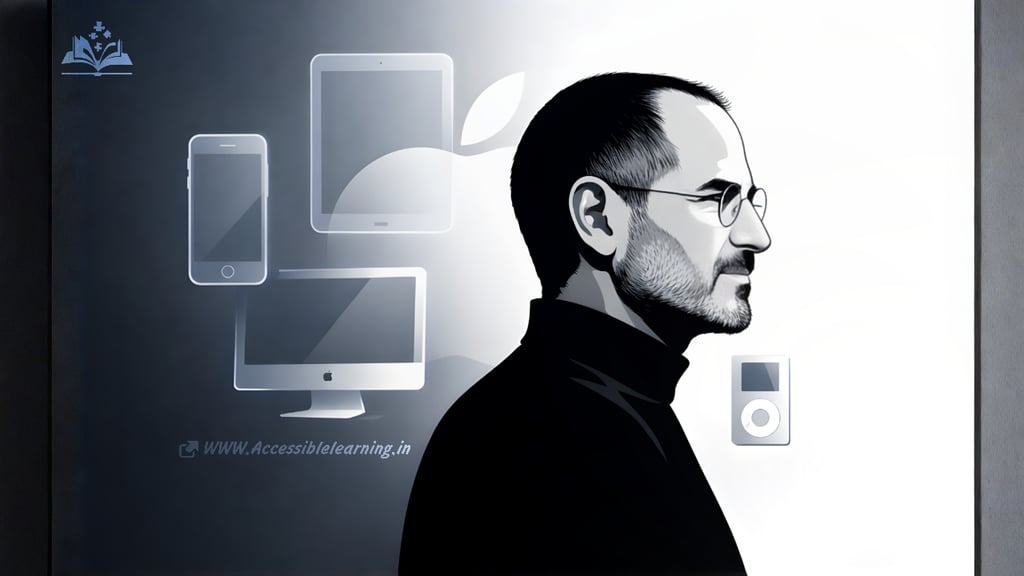
When people ask their voice assistants, "Who was Steve Jobs?" or search "What made Steve Jobs successful?", they're seeking to understand one of the most influential figures in modern technology. Steve Jobs wasn't just Apple's co-founder—he was a cultural force who transformed how billions of people interact with technology, design, and digital creativity.
Who Was Steve Jobs? A Brief Overview
Steven Paul Jobs (February 24, 1955 – October 5, 2011) was an American entrepreneur, industrial designer, and business magnate who co-founded Apple Inc. alongside Steve Wozniak and Ronald Wayne in 1976. Beyond Apple, Jobs founded NeXT Computer, acquired Pixar Animation Studios, and revolutionized multiple industries including personal computing, animated films, music distribution, mobile phones, and tablet computing.
His legacy extends far beyond product launches—Jobs fundamentally changed how we think about the intersection of technology, liberal arts, and human experience.
Early Life: The Foundation of a Revolutionary Mind
Childhood and Adoption
Steve Jobs was born in San Francisco and adopted by Paul and Clara Jobs, a machinist and accountant, respectively. Growing up in Mountain View, California—the heart of what would become Silicon Valley—Jobs was exposed to electronics and engineering from an early age through his father's garage workshop.
This environment proved formative. Paul Jobs taught young Steve about craftsmanship, attention to detail, and the importance of caring about the parts people don't see—a philosophy that would define Apple's design approach decades later.
Education and Early Influences
Jobs attended Reed College in Portland, Oregon, but dropped out after just six months. However, he continued auditing classes that interested him, including a calligraphy course that would later influence the typography and design aesthetic of the Macintosh computer. This unconventional education path exemplifies what made Jobs unique: he followed his curiosity rather than prescribed routes.
During this period, Jobs also traveled to India seeking spiritual enlightenment, studied Buddhism, and experimented with psychedelics—experiences he later credited with expanding his perspective on creativity and design thinking.
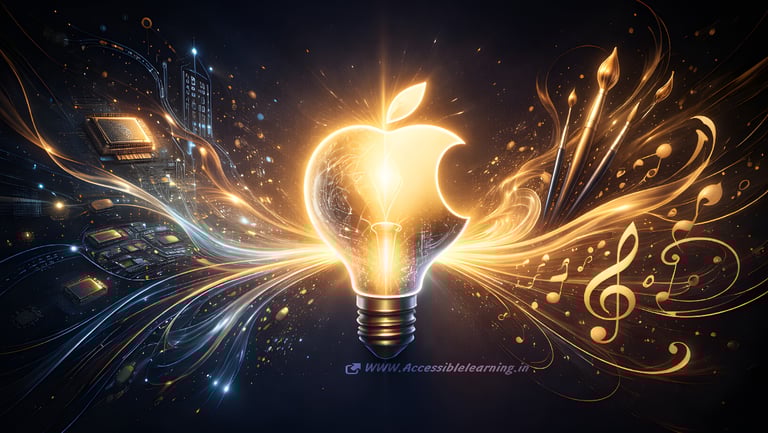
The Birth of Apple: From Garage to Global Empire
Apple I and Apple II (1976-1977)
In 1976, Jobs and Steve Wozniak built the Apple I computer in Jobs' parents' garage. While Wozniak handled the technical engineering, Jobs focused on the business vision, marketing, and user experience—a division of labor that highlighted Jobs' unique skill set.
The Apple II, launched in 1977, became one of the first highly successful mass-produced personal computers. Jobs insisted on a sleek, plastic case design rather than the bare circuit boards common at the time, demonstrating his early commitment to aesthetics and user-friendly design.
The Macintosh Revolution (1984)
The Macintosh, introduced with the iconic "1984" Super Bowl commercial directed by Ridley Scott, brought graphical user interfaces and mouse-driven computing to the mainstream. Jobs' vision was clear: computers should be intuitive enough for anyone to use, not just programmers and hobbyists.
The Macintosh's design philosophy—emphasizing simplicity, elegance, and the integration of hardware and software—established principles that would guide Apple for decades.
The Wilderness Years: Exile and Reinvention (1985-1997)
Departure from Apple
In 1985, following internal power struggles and the commercial disappointment of the Macintosh, Jobs was forced out of Apple by CEO John Sculley and the board of directors. Rather than retreat, Jobs used this setback as an opportunity for reinvention.
NeXT Computer
Jobs founded NeXT Computer in 1985, developing high-end workstations for higher education and business markets. While NeXT computers were too expensive for mass-market success, they were technological marvels. Tim Berners-Lee used a NeXT computer to create the World Wide Web, and NeXT's operating system would eventually become the foundation for macOS and iOS.
Pixar Animation Studios
In 1986, Jobs purchased the Graphics Group from Lucasfilm for $10 million, renaming it Pixar. Initially focused on selling high-end graphics computers, Pixar pivoted to animation under Jobs' leadership. The studio's 1995 release of "Toy Story"—the first fully computer-animated feature film—revolutionized cinema and made Pixar a household name.
When Disney acquired Pixar for $7.4 billion in 2006, Jobs became Disney's largest individual shareholder, demonstrating his ability to succeed across diverse industries.
The Second Act: Transforming Apple (1997-2011)
Return to Apple
When Apple acquired NeXT for $429 million in 1997, Jobs returned to the struggling company as an advisor, then interim CEO, and finally permanent CEO in 2000. Apple was weeks away from bankruptcy, but Jobs immediately began restructuring, simplifying the product line, and refocusing on innovation.
The iMac and Design Renaissance (1998)
The translucent, colorful iMac G3, launched in 1998, signaled Apple's dramatic turnaround. Designed by Jony Ive under Jobs' direction, the iMac showed that computers could be beautiful objects people wanted in their homes, not just functional beige boxes to hide under desks.
The Digital Hub Strategy
Jobs articulated a vision of the personal computer as a "digital hub" connecting various devices—digital cameras, camcorders, music players, and phones. This strategy led to the development of iTunes (2001) and the iLife software suite, positioning Apple at the center of users' digital lives.
The iPod: Revolutionizing Music (2001)
"1,000 songs in your pocket." With this simple promise, the iPod transformed portable music. Combined with the iTunes Store (launched 2003), Apple created the first legal, user-friendly digital music ecosystem, fundamentally changing the music industry's business model and helping combat piracy.
By 2007, Apple had sold over 100 million iPods, making it one of the best-selling consumer electronics products in history.
The iPhone: Redefining Mobile Communication (2007)
Jobs' introduction of the iPhone on January 9, 2007, remains one of the most significant product launches in technology history. Combining a phone, iPod, and internet communicator with a revolutionary multi-touch interface, the iPhone established the template for modern smartphones.
As of 2024, over 2.3 billion iPhones have been sold worldwide, generating more than $200 billion in annual revenue for Apple. The iPhone didn't just create a product category—it birthed the app economy and transformed photography, navigation, social media, and countless other aspects of daily life.
The iPad and Beyond (2010)
The iPad, introduced in 2010, created the tablet computing market. While skeptics initially questioned whether consumers needed a device between phones and laptops, the iPad proved immensely popular, particularly in education, creative industries, and enterprise settings.
Jobs' Leadership Philosophy and Innovation Principles
Design-First Thinking
Jobs famously declared that "design is not just what it looks like and feels like. Design is how it works." This philosophy meant that Apple products weren't merely aesthetically pleasing—form and function were inseparable. Every detail mattered, from the packaging experience to the hidden internal components.
Saying No to 1,000 Things
Jobs believed that innovation was "saying no to 1,000 things." Apple's focused product line—in stark contrast to competitors offering dozens of confusing options—allowed the company to concentrate resources on perfecting a few exceptional products.
Intersection of Technology and Liberal Arts
Jobs consistently positioned Apple at the intersection of technology and the humanities. He understood that successful products required not just engineering excellence but also an appreciation for design, user experience, psychology, and even poetry. This holistic approach attracted creative professionals and set Apple apart from purely engineering-driven tech companies.
Reality Distortion Field
Colleagues described Jobs' "reality distortion field"—his ability to convince himself and others that the impossible was achievable. While sometimes frustrating, this trait pushed teams to accomplish extraordinary feats they initially believed impossible.
Ruthless Simplicity
Jobs obsessed over simplicity, constantly removing features, buttons, and complexity. The original iPhone launched without a physical keyboard (revolutionary at the time), copy-and-paste functionality, or third-party apps—all in service of a cleaner, simpler user experience.
Personal Life and Health Struggles
Family
Jobs married Laurene Powell in 1991, and they had three children together: Reed, Erin, and Eve. Jobs also had a daughter, Lisa Brennan-Jobs, from a previous relationship—a connection he initially denied but later acknowledged and reconciled with.
Health Battles
In 2003, Jobs was diagnosed with a rare form of pancreatic cancer called pancreatic neuroendocrine tumor. He initially pursued alternative treatments before undergoing surgery in 2004. His health continued declining, and he took multiple medical leaves from Apple.
Jobs received a liver transplant in 2009 in Tennessee. Despite his deteriorating health, he continued leading Apple through major product launches, including the iPad and iPhone 4.
Final Years and Legacy
Steve Jobs passed away on October 5, 2011, at age 56, one day after Apple introduced the iPhone 4S. His death prompted an unprecedented global outpouring of tributes, with memorials appearing at Apple Stores worldwide.
In his last years, Jobs authorized Walter Isaacson to write his official biography, which became an international bestseller and provided unprecedented insight into his life, philosophy, and work methods.
Business Impact and Economic Influence
Apple's Market Value
Under Jobs' leadership, Apple transformed from a near-bankrupt company in 1997 to the world's most valuable company. By the time of his death in 2011, Apple's market capitalization was approximately $350 billion. As of late 2024, Apple's market cap exceeds $3 trillion, making it one of the most valuable companies in history.
Industry Transformation
Jobs didn't just build successful products—he transformed entire industries:
Personal Computing: Made computers accessible and desirable for everyday users
Music Industry: Created the first viable digital music marketplace
Mobile Communications: Redefined what phones could be
Retail: Apple Stores revolutionized retail experiences, becoming some of the most profitable stores per square foot globally
Animation: Pixar established new standards for feature-length computer animation
Economic Ecosystem
The iOS app economy alone has generated over $1.5 trillion in developer earnings and supports millions of jobs worldwide. The iPhone supply chain involves hundreds of companies across dozens of countries, demonstrating Jobs' lasting economic impact.

Steve Jobs' Management Style: Lessons and Controversies
Demanding Excellence
Jobs was notoriously demanding, with high standards that some found inspiring and others found abusive. He could be brutally honest in dismissing ideas he considered mediocre, often saying designs or products were "shit" before sending teams back to reimagine them.
Former employees describe both the terror and exhilaration of working under Jobs—the pressure was immense, but so was the pride in shipping world-class products.
Focus on Details
Jobs involved himself in seemingly minute details, from the number of screws in a product to the shade of white used in Apple Store walls. Critics saw micromanagement; supporters saw a leader ensuring excellence at every level.
Team Building
Despite his reputation for being difficult, Jobs assembled and retained some of the industry's best talent. Key collaborators like Jony Ive, Tim Cook, Craig Federighi, and Phil Schiller remained at Apple for decades, suggesting Jobs also inspired fierce loyalty.
Cultural Impact Beyond Technology
Popular Culture Icon
Jobs became a cultural icon recognizable for his signature black turtleneck (Issey Miyake), blue jeans, and New Balance sneakers. This uniform represented his desire to eliminate unnecessary decisions and focus on what mattered.
Communications and Presentation
Jobs' product presentations became legendary events, watched by millions online. His storytelling ability, dramatic reveals, and "one more thing" surprises transformed product launches into must-see entertainment.
Business leaders worldwide study Jobs' presentation techniques, making them foundational to modern corporate communications.
Influence on Design Culture
Jobs helped elevate designers' status in corporate hierarchies, demonstrating that design leadership was as crucial as engineering or business acumen. This shift influenced countless companies beyond technology, from automotive to fashion industries.
Criticisms and Controversies
Labor Practices
Apple faced criticism for working conditions at Foxconn and other contract manufacturers in China. While Jobs defended Apple's auditing processes, critics argued the company could do more to ensure humane working conditions throughout its supply chain.
Environmental Record
Initially, Apple received poor environmental ratings from Greenpeace and other organizations. Jobs eventually responded by making significant commitments to renewable energy, recyclable materials, and reducing hazardous substances—policies Apple continues expanding today.
Patent Litigation
Under Jobs, Apple aggressively pursued patent litigation against competitors, particularly Samsung and Android device manufacturers. These "thermonuclear war" tactics, as Jobs called them, proved controversial and potentially stifled some industry innovation.
Personal Relationships
Jobs' personal relationships were often strained. His initial denial of paternity regarding his daughter Lisa, difficult relationships with early colleagues, and demanding management style created personal costs alongside his professional achievements.
The Stanford Commencement Address: Jobs' Philosophy Distilled
Jobs' 2005 Stanford University commencement address remains one of the most-viewed and influential speeches on the internet, with over 40 million views. He shared three stories from his life:
Connecting the Dots: Trust that your experiences will connect in the future
Love and Loss: Follow your passion, and don't settle
Death: Remembering mortality clarifies what's truly important
His closing advice—"Stay Hungry, Stay Foolish"—became a mantra for entrepreneurs and creators worldwide.
Steve Jobs' Lasting Legacy in 2024 and Beyond
Over a decade after his death, Jobs' influence remains profound:
Apple's Continued Success: Under Tim Cook's leadership, Apple has become the first company to reach a $3 trillion market capitalization, proving Jobs built systems and a culture that transcended his personal involvement.
Design Standards: Jobs' emphasis on simplicity, user experience, and aesthetics continues influencing product design across all industries, from automotive interiors to healthcare devices.
Entrepreneurial Inspiration: Jobs' story—from college dropout to world-changing innovator—inspires countless entrepreneurs. His Stanford speech remains required viewing in business schools worldwide.
Integration Philosophy: Jobs' vision of tightly integrated hardware, software, and services became Apple's defining competitive advantage and influenced how tech companies approach product development.
Creative Technology: Jobs' positioning of Apple at the intersection of technology and liberal arts helped establish that great products require both technical excellence and humanistic design—a principle now central to user experience design across the tech industry.
Steve Jobs wasn't perfect—he was demanding and sometimes cruel and made mistakes in both business and personal life. Yet his impact on technology, business, design, and culture is undeniable and enduring.
Jobs proved that caring deeply about design and user experience wasn't just aesthetically pleasing—it was phenomenally good business. He demonstrated that innovation comes from saying no more often than yes, from obsessing over details others ignore, and from maintaining an unwavering vision even when others doubt.
His life reminds us that the most significant innovations often happen at intersections—between technology and humanities, between engineering and art, and between what is and what could be. In connecting these dots, Steve Jobs didn't just build successful products; he showed us new ways of thinking about technology's role in human life.
For anyone seeking to understand modern technology, design thinking, or entrepreneurial leadership, studying Steve Jobs' life, decisions, and philosophy remains essential. His legacy isn't just the devices we use but the very way we think about how technology should serve humanity.


Frequently Asked Questions
Q: What was Steve Jobs' net worth when he died?
At the time of his death in 2011, Steve Jobs' net worth was approximately $10.2 billion. The majority came from his Disney shares (from the Pixar sale), not Apple stock, as he famously took only a $1 annual salary from Apple and held a relatively modest amount of Apple stock.
Q: What disease did Steve Jobs have?
Jobs had a rare form of pancreatic cancer called pancreatic neuroendocrine tumor (PNET), which is less aggressive than the more common pancreatic adenocarcinoma. He was diagnosed in 2003 and initially pursued alternative treatments before having surgery in 2004. He later received a liver transplant in 2009 before passing away in 2011.
Q: Who replaced Steve Jobs as Apple CEO?
Tim Cook, who had served as Apple's Chief Operating Officer, became CEO after Steve Jobs resigned in August 2011. Cook had actually been running day-to-day operations during Jobs' medical leaves and was Jobs' personally chosen successor.
Q: What was Steve Jobs' educational background?
Jobs attended Reed College in Portland, Oregon, for one semester before dropping out. However, he continued auditing classes that interested him, including a calligraphy course that later influenced the Mac's typography. He never completed a college degree, making him one of the most successful college dropouts in history.
Q: How did Steve Jobs change the world?
Jobs revolutionized multiple industries: personal computers (Macintosh), animated films (Pixar), music distribution (iPod and iTunes), mobile phones (iPhone), and tablet computing (iPad). More broadly, he demonstrated that technology could be both powerful and beautiful, influencing design culture globally and helping create the modern app-based digital economy.
Q: What made Steve Jobs a great leader?
Jobs combined visionary thinking with obsessive attention to detail. He focused on user experience over technical specifications, maintained incredibly high standards, made bold decisions, and possessed exceptional communication skills. His ability to see connections between technology and human needs allowed him to create products people didn't know they wanted but couldn't live without.
Q: Did Steve Jobs write code, or was he a programmer?
Jobs had basic programming knowledge from his early days but was never primarily a programmer. His strength was in vision, design, user experience, and business strategy. Steve Wozniak handled the technical engineering in Apple's early days, while Jobs focused on what products should be and how they should work from a user perspective.
Subscribe to Frontier Intelligence
All © Copyright reserved by Accessible-Learning Hub
| Terms & Conditions
Accessible Learning Hub — Actionable clarity for high-agency minds.
Weekly breakdowns on AI breakthroughs, capital flow, and human performance systems. Zero fluff.