

Sinterklaas Parade: A Dutch Festive Tradition Filled With Charm, History, and Community Spirit
A detailed and warm introduction to the Sinterklaas Parade, explaining its history, cultural importance, and how different regions in the Netherlands celebrate the festive arrival of Sinterklaas. This header sets the mood for readers by highlighting the traditions, community spirit, joyful processions, and evolving customs that make this event one of the most cherished celebrations of the Dutch holiday season.
CULTURE/TRADITIONEVENT/SPECIALCELEBRATION/FESTIVALS
Kim Shin
12/1/20253 min read
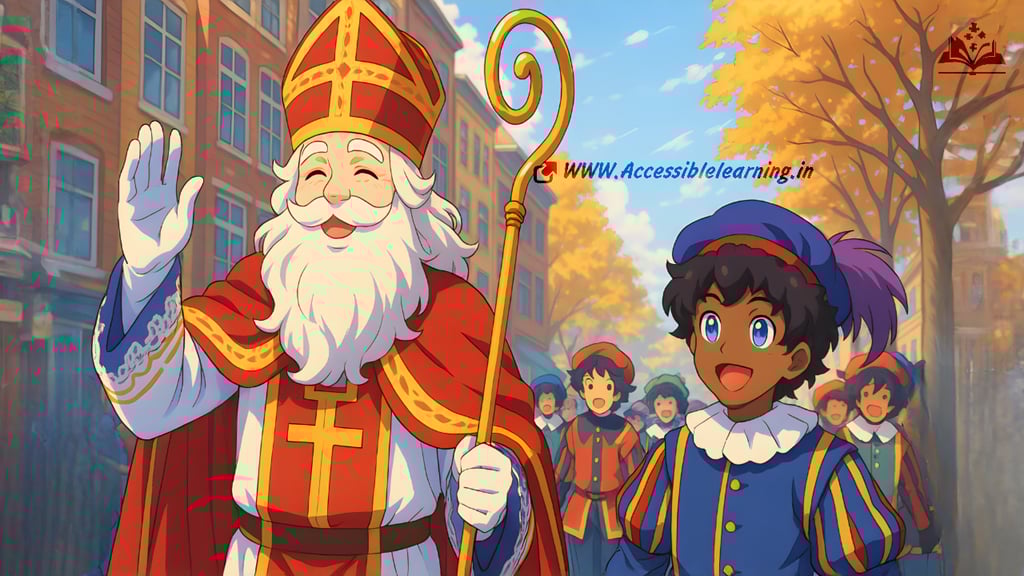
The Sinterklaas Parade is one of the most cherished events in the Netherlands, transforming cities and towns into lively celebrations each November. It celebrates the arrival of Sinterklaas, a figure inspired by Saint Nicholas, who is seen as a protector of children and bearer of gifts. The parade marks the official beginning of the festive season and sets the tone for weeks of storytelling, music, and warm family traditions.
Over the years, this event has become far more than a simple procession. It reflects Dutch culture, community values, and the ability to evolve while holding onto what makes the celebration so special.
A Deeper Look at the History
The roots of Sinterklaas stretch back more than 1,700 years. Saint Nicholas was known for his generosity, especially toward children. When Dutch merchants spread their traditions across Europe, the story continued to grow and eventually blended with local customs.
During the 1800s, the modern image of Sinterklaas began to take shape. Writers, artists, and educators helped formalize the tradition, including the idea of his annual arrival from Spain. By the early 20th century, organized public parades had become a yearly highlight in major cities.
How the Parade Actually Works
The Harbor Arrival
Sinterklaas arrives on his steamship, often named “Pakjesboot 12.” The ship is decorated with flags, lights, and musical groups. Thousands gather along the harbor, cheering as the Sint steps onto Dutch land for the first time that year.
The Grand Welcome Ceremony
Mayors often greet Sinterklaas personally. Some cities include theatrical performances, fireworks, children’s choirs, and storytelling stages. The arrival is broadcast nationwide, so the entire country can share the moment.
The Parade Route
The procession moves through main streets, often lasting several hours. Highlights include:
Horses and carriages
Floats themed around Dutch folklore
Traditional bands and children’s orchestras
Dance groups performing festive routines
Volunteers dressed in colorful costumes
Every city adds its own creative twist.
Treats and Festive Foods
The parade is incomplete without traditional snacks. Families enjoy:
Pepernoten
Chocolate letters
Speculaas
Marzipan sweets
Small treats are often handed out to the crowd.
Interaction and Tradition
Kids bring drawings, write poems, and place shoes near parade points for symbolic gift-giving. These little interactions are what make the day truly special.
Regional Differences Across the Netherlands
Each city gives the parade its own flavor:
Amsterdam
Famous for the water arrival through the canals, followed by one of the largest parades in the country.
Rotterdam
Known for modern floats, music stages, and a strong focus on storytelling for children.
Utrecht
A more traditional atmosphere with historic city backgrounds and acoustic performances.
The Hague
Features a mix of cultural events, charity drives, and local community involvement.
Maastricht & Southern Regions
Blend Dutch and Belgian influences, adding unique styles of costumes and music.


Evolution in Modern Times
The Sinterklaas Parade has changed in ways that reflect society. Many cities have updated costumes and characters to be more inclusive and culturally respectful. Modern technology plays a larger role than before. Live streams, social media coverage, and interactive apps help families track the parade route in real time.
Safety has also improved. Most parades include crowd management teams, medical response units, and designated family zones.
Cultural Significance Beyond the Parade
The arrival kicks off a season filled with:
Classroom celebrations
Community gift drives
Storytelling sessions in libraries
Craft workshops in cultural centers
Special TV shows and countdown programs
The buildup ends on December 5 during Pakjesavond, when Dutch families exchange gifts and handwritten poems.
Travel Tips for Visitors
Check the city’s official Sinterklaas calendar for timings and routes.
Dress warmly; November has cold winds.
Keep snacks and water for kids.
Use public transport because many roads are blocked.
Carry a power bank; the event can last long.
If you like photographs, arrive early for a good angle.
FAQs
Q: When does the Sinterklaas Parade usually take place?
The parade typically happens in mid-November. The exact date varies each year depending on the city and the official arrival schedule.
Q: Does every city in the Netherlands host a parade?
Most major cities and many smaller towns host their own version of the parade. Each one has its own style, route, and traditions.
Q: Is the parade free to attend?
Yes. The Sinterklaas Parade is a public event, and attending it is completely free.
Q: Can tourists join the celebrations?
Absolutely. Visitors are welcome and often enjoy the event just as much as locals. It’s a great way to experience Dutch culture firsthand.
Q: How long does the parade last?
Most parades run between one and three hours, depending on the route and number of performances.
Q: Is it safe for children to attend?
Yes. The event is designed with children in mind. Cities usually have crowd control teams and designated family areas to make the experience comfortable.
Q: What should families bring to the parade?
Warm clothing, snacks, water, and a small bag for treats. Arriving early is also recommended for a good viewing spot.
Q: Are there activities after the parade?
Many cities host small festivals, music performances, markets, or meet-and-greet moments where children can talk to Sinterklaas.
Subscribe to Frontier Intelligence
All © Copyright reserved by Accessible-Learning Hub
| Terms & Conditions
Accessible Learning Hub — Actionable clarity for high-agency minds.
Weekly breakdowns on AI breakthroughs, capital flow, and human performance systems. Zero fluff.