

Setsubun (Bean Throwing Festival): Japan’s Ritual to Remove Bad Luck & Welcome Fortune
Setsubun is Japan’s famous bean-throwing festival held in early February to drive away bad luck and welcome good fortune. Explore its history, rituals, foods like ehōmaki, and a complete travel guide to experience Setsubun in Japan.
CULTURE/TRADITIONEVENT/SPECIALTRAVEL LIFECELEBRATION/FESTIVALS
Kim Shin
1/26/20268 min read
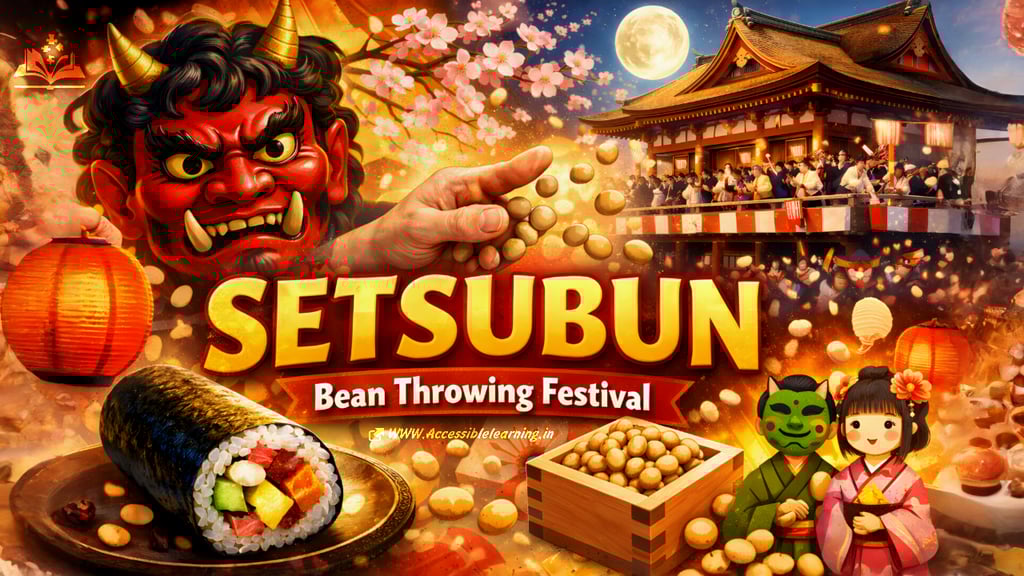
If you’ve ever seen photos of people in Japan throwing roasted soybeans while shouting, “Oni wa soto! Fuku wa uchi!” (“Demons out! Fortune in!”), you’ve already met Setsubun in its most iconic form.
Setsubun (節分) is one of Japan’s most meaningful seasonal traditions. It blends folk beliefs, Shinto-Buddhist purification culture, community celebration, and lucky seasonal food like ehōmaki sushi rolls. It’s loud, fun, symbolic, and deeply human: a ritual about clearing negativity and welcoming a better future.
This guide covers everything in-depth: history, meaning, rituals, foods, regional variations, the best places to experience it, and a full travel guide.
What is Setsubun? Meaning and Cultural Importance
Setsubun literally means “seasonal division” or “the turning point of the seasons.” Traditionally, Japan marked the day before the start of each season as a spiritually sensitive moment. Over centuries, the most important Setsubun became the one before Risshun (立春), the start of spring in the traditional calendar.
In practice, modern Setsubun is celebrated as a time to:
cleanse bad luck and misfortune
protect the household
reset one’s mind for a fresh season
invite prosperity, health, and happiness
strengthen family bonds through ritual
Unlike many festivals that are mostly entertainment, Setsubun is meaningful because it’s something people do with intention, not just watching from the side.
When is Setsubun Celebrated?
Setsubun happens in early February, most commonly on February 3, though the date sometimes shifts due to the solar calendar.
Typical date: February 3
Sometimes: February 2 or February 4
If you’re traveling, check the official schedules of temples and shrines because their ceremonial bean-throwing events are planned carefully and are often the biggest crowd-pullers.
Origins of Setsubun: History, Belief, and Folklore
Setsubun has roots stretching back over 1,000 years, shaped by multiple influences:
Tsuina (Ancient Exorcism Rituals)
Setsubun was influenced by Tsuina, an exorcism ritual introduced from China. The practice involved driving out evil spirits and disease before a seasonal shift.
Japanese Purification Culture
Japan’s spiritual and cultural identity strongly emphasizes purification. That’s why many annual rituals revolve around cleansing:
spaces (homes, temples, streets)
bodies (washing hands at shrines, bathing customs)
intentions (new beginnings, reflection)
Setsubun fits naturally into this mindset.
Oni (Demon) Symbolism
The “evil spirits” of Setsubun are often symbolized as oni (鬼)—demon-ogre figures in Japanese folklore. But oni are not only monsters. In many interpretations, they represent:
illness and epidemics
natural disasters
anger and impulsiveness
jealousy and negative thinking
misfortune and bad timing
So when people shout “demons out,” it’s also a mental and emotional reset: removing what harms peace, both inside and outside.
The Main Ritual: Mamemaki (Bean Throwing)
The heart of Setsubun is Mamemaki (豆まき), meaning “bean scattering.”
Why Beans?
Beans are believed to have protective power. Even the wordplay supports this tradition:
mame (豆) = beans
mametsu (魔滅) sounds like “destroy evil”
In folk belief, this makes beans the perfect symbolic tool for chasing away misfortune.
What Beans Are Used?
Roasted soybeans, called fukumame (福豆) meaning “fortune beans.”
They are roasted because:
roasting “purifies” them
raw beans can sprout, symbolizing the return or growth of bad luck
The Famous Chant
During mamemaki, people shout:
Oni wa soto! → “Demons out!”
Fuku wa uchi! → “Fortune in!”
This phrase is simple, but powerful: it turns a home into a protected space through collective belief and action.


How Setsubun is Celebrated at Home (Traditional Method)
Setsubun is one of the most family-centered events in Japan. Here’s how it’s commonly done at home:
Step-by-step ritual
Open the door or window
Someone plays the “oni” (often the father or older sibling)
Family members throw beans at the oni and outside the home
They shout the Setsubun chant
The door is shut afterward to symbolically block evil from returning
Everyone eats lucky beans afterward
Eating Beans for Luck
A key tradition is eating beans equal to:
✅ your age or ✅ age + 1 (extra fortune)
This is believed to bring protection for the coming year and good health.
Public Setsubun Festivals: Temples and Shrines
If home Setsubun is intimate, temple Setsubun is dramatic.
Large temples and shrines host grand mamemaki ceremonies, where:
priests perform purification rites
monks chant blessings
performers and community figures join
huge crowds gather to catch lucky beans
The atmosphere feels like a spiritual festival mixed with a joyful celebration.
Celebrity Mamemaki (Yes, It’s Real)
One of the most exciting parts is when major temples invite:
celebrities
actors
athletes
sometimes sumo wrestlers
They throw beans from stages or balconies. Catching them is believed to bring special luck.
Setsubun’s Iconic Character: The Oni Mask
The oni mask has become one of the most recognizable visuals of Setsubun. In homes:
adults wear it for fun
kids throw beans with excitement (and sometimes fear!)
In public festivals:
performers dress as oni
some events include dramatic oni “banishment” performances
In a deeper sense, the oni mask symbolizes something important: we can face our fears directly and still overcome them.
Ehōmaki: The Lucky Sushi Roll Tradition
Modern Setsubun is strongly associated with eating Ehōmaki (恵方巻き), a thick sushi roll eaten for good fortune.
The Rule
On Setsubun night, you should:
face the year’s lucky direction (ehō / 恵方)
stay silent while eating
finish the roll in one go if possible
Why You Shouldn’t Cut the Roll
Cutting symbolizes “cutting fortune” or breaking luck.
What’s Inside Ehōmaki?
A classic ehōmaki often contains 7 ingredients (symbolizing the Seven Gods of Fortune), such as:
tamagoyaki (sweet omelet)
cucumber
shiitake mushrooms
eel or tuna
kanpyo gourd strips
sakura denbu (pink fish flakes)
crab stick or other fillings
Today, modern versions include everything from spicy tuna to wagyu-style fillings depending on stores and regions.
Regional Variations of Setsubun in Japan
One reason Setsubun is so fascinating is that it changes depending on where you are.
Chant variations
Some regions say:
“Oni wa soto, fuku wa uchi” (most common)
others adjust based on local beliefs or temple traditions
Bean alternatives
In some areas, instead of soybeans, people use:
peanuts (more common in colder areas because they don’t make a mess)
This is a practical twist and shows how traditions adapt without losing meaning.
What to Eat During Setsubun (Seasonal Food Guide)
Setsubun has its own special food culture.
Must-try foods
Ehōmaki (fortune sushi roll)
Fukumame (roasted soybeans)
konnyaku dishes (in some regions for cleansing)
kenchin-jiru (vegetable soup in some households)
Japanese sweets & snacks from festival stalls
amazake (sweet fermented drink at some events)
Festival food stalls also offer classic favorites:
yakisoba
takoyaki
taiyaki
dango
grilled corn
karaage


What to Buy as Setsubun Souvenirs
If you’re traveling during Setsubun season, you’ll find unique seasonal items in supermarkets, temples, and souvenir streets.
Popular Setsubun souvenirs include:
oni masks (cute and scary styles)
Setsubun bean packs with fortune messages
temple lucky charms (omamori)
ema prayer plaques
seasonal sweets shaped like oni faces
These make great cultural souvenirs and also help you document the trip meaningfully.
Best Places to Experience Setsubun in Japan (Travel Guide)
Here are the top tourist-friendly and culturally rich places to enjoy Setsubun:
Sensō-ji Temple (Asakusa, Tokyo)
Why it’s great:
famous temple + iconic location
big crowd energy
nearby Nakamise shopping street for food and souvenirs
Travel tip: arrive early for a better view.
Naritasan Shinshō-ji Temple (Near Narita Airport)
Why it’s special:
one of Japan’s largest Setsubun events
celebrity participation
powerful ceremonial feel
Perfect if your Japan trip starts or ends around Narita.
Yoshida Shrine (Kyoto)
Why it’s unique:
Kyoto’s old ritual culture
night-time atmosphere is beautiful
strong traditional identity
Osaka (Kansai Region)
Why you should go:
ehōmaki tradition is strongest here
energetic festival streets
amazing local street food
Best Time to Arrive at Events (Crowd Strategy)
Setsubun temple events get crowded, so planning matters.
Timing tips
arrive 60–90 minutes early for popular temples
weekends near Setsubun are extra crowded
watch from the sides if you want better mobility and photos
keep cash for food stalls and lucky items
How to Enjoy Setsubun as a Tourist (Practical Tips)
If it’s your first Setsubun, here’s how to make it easy and memorable:
What to do
buy a small pack of roasted beans
join a temple crowd and observe rituals
take photos from respectful angles
try ehōmaki from a supermarket or restaurant
visit a traditional shopping street near temples
What to carry
small backpack
hand sanitizer / wet wipes (beans + food stalls)
water bottle
some cash
warm gloves in colder cities
Weather During Setsubun (What to Wear)
Setsubun is early February, so it’s winter in Japan.
Typical conditions:
Tokyo: chilly, dry
Kyoto: colder at night
Osaka: mild but windy
northern Japan: snowy and very cold
Wear:
warm jacket
layered clothing
comfortable walking shoes
scarf or beanie (especially for Kyoto evenings)


1-Day Setsubun Itinerary for Travelers
Here’s a simple plan that works in Tokyo, Kyoto, or Osaka:
Morning
explore a shrine/temple quietly
enjoy fewer crowds and better photography
Midday
eat nearby street food
explore markets and shopping streets
Afternoon
return early to get a good viewing spot
watch the main mamemaki event
Evening
eat ehōmaki at your hotel or local restaurant
shop for Setsubun seasonal souvenirs
Why Setsubun is Still Relevant Today (Modern Meaning)
Even in modern Japan, Setsubun remains popular because it speaks to something universal:
everyone wants to let go of negativity
everyone wants a fresh start
families enjoy shared rituals
communities reconnect through seasonal culture
Setsubun is a festival, yes — but more than that, it’s a yearly reminder that luck is something you can invite through intention, action, and community.
Setsubun is not just a “bean throwing festival.” It’s a cultural ritual built on ancient seasonal wisdom, purification beliefs, and the hope of renewal. Whether you celebrate it at home with family or experience it in Japan at a grand temple event, Setsubun offers something rare: a tradition that is joyful, meaningful, and easy for anyone to join.
FAQ's
Q: What is Setsubun in Japan?
Setsubun is a traditional Japanese festival celebrated in early February, where people throw roasted soybeans to drive away bad luck and welcome good fortune. The main ritual is called mamemaki (bean throwing) and is done at homes, temples, and shrines.
Q: Why do Japanese people throw beans on Setsubun?
Beans are thrown during Setsubun to symbolically chase away evil spirits (oni) and negative energy. The ritual is believed to protect the home from misfortune and invite luck, health, and prosperity for the new season.
Q: What does “Oni wa soto, Fuku wa uchi” mean?
The phrase means:
Oni wa soto (鬼は外) = “Demons out!”
Fuku wa uchi (福は内) = “Fortune in!”
People chant it while throwing beans to remove bad luck and welcome good fortune.
Q: When is Setsubun celebrated in Japan?
Setsubun is usually celebrated on February 3, but in some years it may fall on February 2 or February 4, depending on the seasonal calendar. It marks the day before the traditional start of spring (Risshun).
Q: What food is eaten during Setsubun?
The most popular Setsubun foods are:
Ehōmaki (lucky sushi roll)
Roasted soybeans (fukumame)
Some regions also eat seasonal soups and temple festival snacks.
Q: What is Ehōmaki and why is it eaten during Setsubun?
Ehōmaki is a thick sushi roll eaten on Setsubun for good luck. Traditionally, people eat it silently while facing the year’s lucky direction (ehō) without cutting the roll, symbolizing an unbroken flow of fortune.
Q: How do Japanese people celebrate Setsubun at home?
At home, families celebrate by:
throwing roasted soybeans outside and inside rooms
chanting “Oni wa soto, Fuku wa uchi”
eating beans equal to their age (or age + 1) for luck and health
Q: Where are the best places to experience Setsubun in Japan?
Some of the most famous Setsubun celebrations happen at:
Sensō-ji Temple (Tokyo)
Naritasan Shinshō-ji Temple (Chiba)
Yoshida Shrine (Kyoto)
Several temples and shrines across Osaka (Kansai region)
Q: Can tourists participate in Setsubun festivals?
Yes. Tourists can easily participate by visiting a shrine or temple during Setsubun, joining the crowd respectfully, and watching or taking part in public bean-throwing events. Many festivals also have food stalls and cultural performances.
Q: What are oni in Japanese culture?
Oni (鬼) are demon-like figures in Japanese folklore. During Setsubun, oni represent bad luck, illness, disasters, and negative energy, and the bean-throwing ritual symbolically pushes them away.
Subscribe to Frontier Intelligence
All © Copyright reserved by Accessible-Learning Hub
| Terms & Conditions
Accessible Learning Hub — Actionable clarity for high-agency minds.
Weekly breakdowns on AI breakthroughs, capital flow, and human performance systems. Zero fluff.