

Seoul Lantern Festival: A Nighttime Celebration of Light, Culture, and Storytelling
Experience the Seoul Lantern Festival, where thousands of glowing lanterns illuminate Cheonggyecheon Stream each autumn. Discover its cultural roots, artistic themes, global influences, and why this nighttime celebration is one of Seoul’s most magical events.
EVENT/SPECIALTRAVEL LIFESOUTH KOREACELEBRATION/FESTIVALS
Kim Shin
12/28/20257 min read
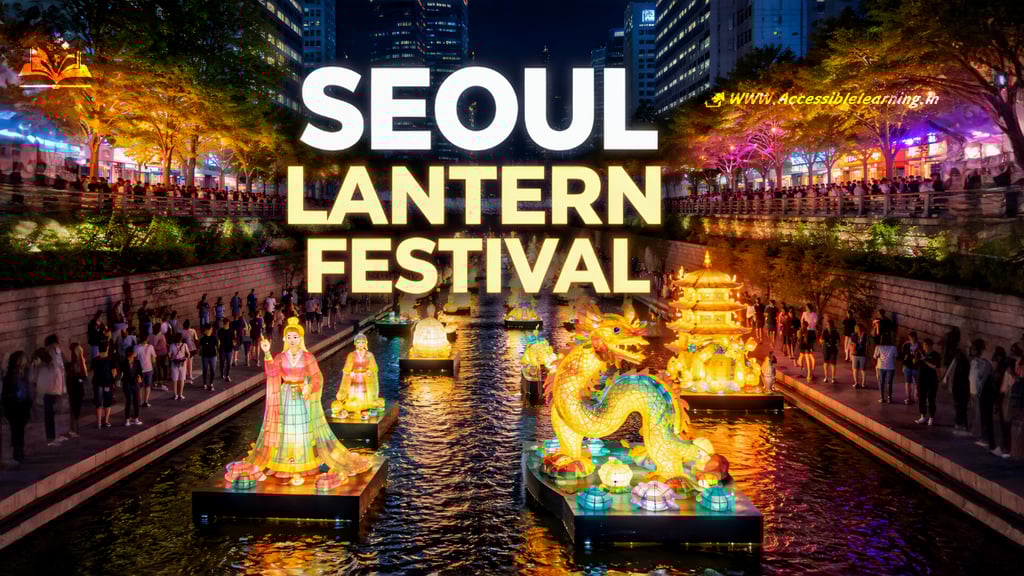
Every autumn, as evenings grow longer and the air turns crisp, central Seoul transforms into a glowing open-air gallery. The Seoul Lantern Festival is not just a visual spectacle. It is a living story of Korea’s past, present, and future, told through thousands of illuminated lanterns along the iconic Cheonggyecheon Stream. Locals, travelers, families, and photographers all gather here to experience Seoul in its most poetic form.
What Is the Seoul Lantern Festival?
The Seoul Lantern Festival is an annual cultural event that usually takes place in November, stretching for nearly three weeks. The festival runs through Cheonggyecheon, a historic stream flowing through downtown Seoul, from Gwanghwamun Square to Dongdaemun.
Lanterns of all shapes and sizes line the water, float gently on the stream, and stand tall along the walkways. Each year follows a new theme, often connected to Korean history, global cultures, folklore, sustainability, or modern innovation.
The Cultural Roots Behind Lantern Festivals in Korea
Lantern traditions in Korea date back centuries. Historically, lanterns were used during Buddhist celebrations, royal events, and seasonal festivals. They symbolized light, wisdom, hope, and guidance.
The Seoul Lantern Festival modernizes this tradition. It blends ancient symbolism with contemporary art, turning lantern-making into a large-scale public storytelling medium. This balance of tradition and creativity is one reason the festival feels deeply Korean while still appealing to a global audience.
Why Cheonggyecheon Stream Is the Perfect Setting
Cheonggyecheon itself is a symbol of Seoul’s transformation. Once covered by roads and concrete, the stream was restored in the early 2000s as part of an urban renewal project. Today, it represents harmony between nature and city life.
At night, reflections of lanterns ripple across the water, creating a calm, dreamlike atmosphere right in the middle of one of Asia’s busiest cities. The location makes the festival accessible, walkable, and free for everyone.
Themes That Change Every Year
One of the festival’s biggest strengths is its evolving storytelling. Each year introduces a new theme, such as:
Korean dynasties and legendary figures
Traditional folktales and myths
Global friendship and cultural exchange
Environmental awareness and sustainability
Seoul’s future as a smart and creative city
These themes guide the design of lanterns, from massive historical scenes to playful characters and abstract light sculptures.
Types of Lantern Displays You Will See
The festival features a wide variety of lantern styles, including
Hanji lanterns, made from traditional Korean paper
Large-scale narrative lanterns, depicting historical events
Floating lanterns, drifting softly along the stream
Interactive lanterns, especially popular with children
Modern LED installations, blending technology with art
Many lanterns are handcrafted by professional artists, while others are created by citizens, students, and international participants.
Community Participation and Workshops
The Seoul Lantern Festival is not only something to watch. It is something to take part in. During the event, visitors can join lantern-making workshops, write wishes, or create small lanterns to display.
This strong community involvement gives the festival a warm, human feeling. It is common to see families explaining the stories behind the lanterns to children or artists proudly standing near their creations.


International Collaboration and Global Lantern Art
A unique aspect of the Seoul Lantern Festival is its international participation. Artists and cultural organizations from different countries are invited to showcase lanterns inspired by their own heritage. This turns the festival into a subtle form of cultural diplomacy, where light becomes a shared language across borders. Visitors often encounter lanterns representing world landmarks, folklore, or traditional costumes from other nations, making the experience globally inclusive.
Symbolism Embedded in Lantern Design
Each lantern is carefully designed with layered symbolism. Colors, shapes, and placement all carry meaning. For example, gold often represents prosperity, and blue symbolizes peace and wisdom, while dragons, cranes, and tigers reflect protection, longevity, and strength in Korean culture. This attention to symbolism transforms the festival into a visual storytelling experience rather than simple decoration.
Role of Modern Technology in Lantern Creation
While traditional hand-crafted lanterns remain central, modern techniques play a growing role. Some installations incorporate projection mapping, motion sensors, and synchronized lighting, allowing lanterns to react to movement or sound. This fusion of craft and technology highlights Seoul’s identity as both a cultural capital and a tech-forward city.
Educational Value for Children and Students
Schools often organize field visits during the festival. Educational signage explains historical scenes and myths depicted by the lanterns, making the event informative for younger audiences. Many lanterns are designed at child-friendly heights, encouraging curiosity and engagement while subtly teaching Korean history and moral lessons.
Emotional and Mental Well-being Experience
Walking alongside softly glowing lanterns, with flowing water and low ambient noise, creates a calming environment. Many locals describe the festival as a space for emotional pause in an otherwise fast-paced city. It has become a popular evening walk for office workers and couples seeking a peaceful atmosphere without leaving the city center.
Economic Boost for Local Businesses
The festival significantly benefits nearby cafes, street vendors, souvenir shops, and small restaurants. Seasonal food stalls selling hot snacks, traditional sweets, and warm drinks often appear around the area. This creates a temporary night economy that supports local livelihoods while enhancing the visitor experience.
Social Media and Digital Storytelling Impact
The Seoul Lantern Festival has become one of South Korea’s most photographed seasonal events. Carefully planned lantern layouts ensure strong visual balance for photos and videos. As a result, the festival gains massive exposure through social platforms, helping promote Korean culture organically to international audiences without heavy advertising.
Safety, Accessibility, and Urban Planning Excellence
Despite large crowds, the festival is well-managed. Clear walking paths, crowd flow planning, and barrier-free access make it comfortable for elderly visitors and people with disabilities. Security staff and volunteers are placed throughout the area, ensuring a safe and relaxed experience for everyone.
Seasonal Significance in Korean Life
Autumn holds special meaning in Korea as a time of reflection and transition. The lantern festival aligns with this seasonal mood, symbolizing light before winter and closure before the year ends. For many locals, visiting the festival has become a personal ritual tied to memory-making and reflection.
Why the Festival Continues to Evolve
The Seoul Lantern Festival succeeds because it does not remain static. Each year builds on feedback, artistic trends, and cultural shifts. This adaptability keeps the festival relevant, emotionally engaging, and meaningful, ensuring it remains one of Seoul’s most anticipated cultural events.
A Photographer’s Dream After Sunset
As night falls, the festival truly comes alive. Soft lights, vivid colors, and reflections on the water create endless photography opportunities. Whether you are using a smartphone or a professional camera, the setting naturally enhances every shot.
The best time to visit is usually just after sunset on weekdays, when crowds are lighter and the lighting feels more intimate.


Sustainability and Eco-Friendly Focus
In recent years, the festival has placed greater emphasis on eco-conscious design. Many lanterns now use energy-efficient LED lights, recycled materials, and reusable frameworks. This reflects Seoul’s broader commitment to sustainable urban living.
By combining beauty with responsibility, the festival sends a quiet but powerful message about caring for the future.
Why the Seoul Lantern Festival Matters
Beyond tourism and entertainment, the Seoul Lantern Festival plays an important role in cultural preservation and public art. It shows how a modern city can honor tradition, involve its citizens, and create shared experiences without barriers.
For visitors, it offers a deeper understanding of Korea’s storytelling spirit. For locals, it reinforces pride in Seoul’s identity and creative energy.
Travel Tips for Visitors
Best time to visit: November evenings, after sunset
Entry fee: Free
Getting there: Easily accessible by subway stations near Cheonggyecheon
What to wear: Warm layers, as evenings can be cold
Nearby attractions: Gwanghwamun, Insadong, Dongdaemun Design Plaza
The Seoul Lantern Festival is more than a seasonal event. It is a celebration of light as a language. Through lanterns, Seoul tells stories that cross generations, cultures, and borders. Whether you visit for art, history, photography, or quiet reflection, the festival leaves a lasting impression long after the lights go out.
If you want to experience Seoul at its most magical, this is one festival that truly shines.
FAQs
Q. When is the Seoul Lantern Festival usually held?
The festival is typically held in November and runs for two to three weeks. The exact dates may change each year depending on city planning and seasonal conditions.
Q. Where does the Seoul Lantern Festival take place?
It takes place along Cheonggyecheon Stream in central Seoul, stretching from Gwanghwamun Square toward Dongdaemun. The area is easily accessible by public transport.
Q. Is there any entry fee to attend the festival?
No, the Seoul Lantern Festival is completely free and open to the public, making it accessible to locals and international visitors alike.
Q. What is the best time of day to visit the festival?
Evening hours after sunset are ideal, as the lanterns are fully illuminated. Visiting on weekdays usually offers a more relaxed experience with fewer crowds.
Q. How long does it take to explore the entire festival area?
Most visitors spend between one and two hours walking through the lantern displays, though photographers and families may stay longer.
Q. Is the festival suitable for children and elderly visitors?
Yes, the festival is family-friendly and well-organized, with flat walkways, safety measures, and clear paths suitable for all age groups.
Q. Can visitors participate in lantern-making activities?
Yes, the festival often includes interactive zones and workshops where visitors can create lanterns or write wishes, depending on the year’s program.
Q. Is the Seoul Lantern Festival accessible for international tourists?
Absolutely. Signage and information are often available in multiple languages, and the festival atmosphere is welcoming to visitors from around the world.
Q. Are food and shopping options available nearby?
Yes, the surrounding areas offer plenty of cafes, street food stalls, traditional markets, and souvenir shops, especially during festival evenings.
Q. Why is the Seoul Lantern Festival considered culturally important?
The festival preserves traditional lantern symbolism while embracing modern art and global participation, making it a meaningful blend of heritage, creativity, and community spirit.
Subscribe to Frontier Intelligence
All © Copyright reserved by Accessible-Learning Hub
| Terms & Conditions
Accessible Learning Hub — Actionable clarity for high-agency minds.
Weekly breakdowns on AI breakthroughs, capital flow, and human performance systems. Zero fluff.