

Seoul Lantern Festival: A Complete Guide to Korea’s Winter Light Celebration
Discover the Seoul Lantern Festival, one of Korea’s most popular winter events. Learn about its history, themes, lantern displays, cultural experiences, and the best tips for visiting the Cheonggyecheon Stream light festival.
EVENT/SPECIALTRAVEL LIFESOUTH KOREACELEBRATION/FESTIVALS
Kim Shin
12/6/20254 min read
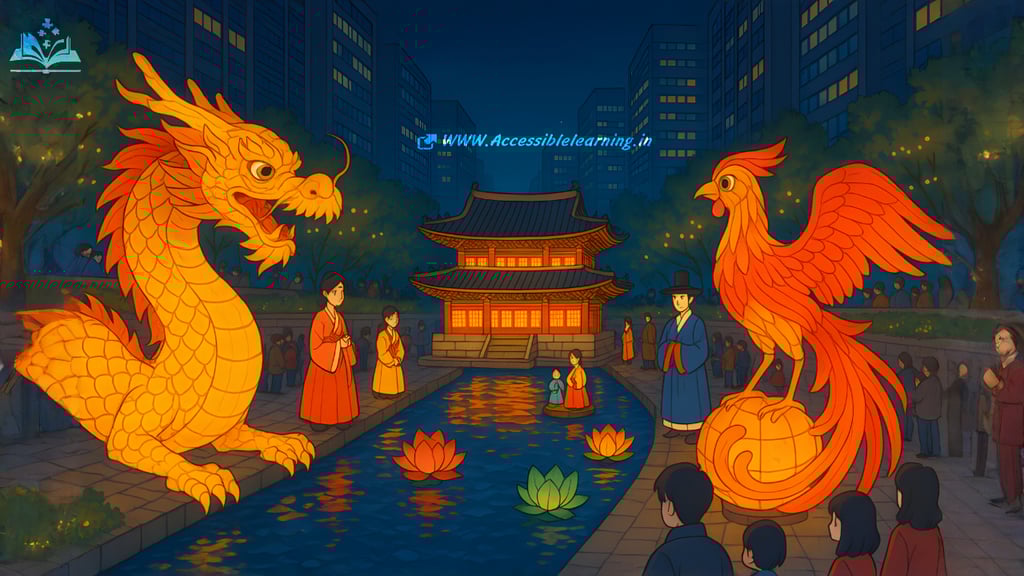
The Seoul Lantern Festival is one of the most loved winter celebrations in South Korea. Every year, the Cheonggyecheon Stream transforms into a glowing walkway filled with handcrafted lanterns, cultural stories, and imaginative displays. What started in 2009 as a local heritage event has become a global attraction with millions of visitors each season.
Here’s an in-depth guide that explores the festival’s themes, history, experiences, and travel insights.
Expanded Overview and Cultural Roots
The festival is held every November, as Seoul starts getting ready for the winter holidays. Its core purpose is to highlight Korea’s lantern-making tradition, which dates back to ancient Buddhist and royal ceremonies. Lanterns were once used for protection, celebration, and spiritual symbolism, and those meanings still shine through today.
Over the years, the Seoul Lantern Festival evolved from a traditional showcase into a modern visual event featuring:
Korean folk heritage
Global cultural exchanges
Cutting-edge digital light design
Regional festival partnerships
This blend of past and present reflects Seoul itself, a city where tradition and technology sit side by side.
More Elements That Make the Festival Special
Annual Themes That Change Every Year
Each festival is curated around a central concept. This keeps the experience fresh even for those who visit annually. Examples include:
Legendary Heroes of Korea
Festivals of the World
Winter Wonderland & Fantasy Worlds
Korean Palaces and Dynasties
Eco-Friendly & Nature Concepts
Giant Lantern Zones
The largest structures often reach several meters in height. Popular categories include:
Royal palaces recreated in light
Mythical creatures like gwisin, haetae, and dragons
Scenes from Korean folk tales such as Heungbu and Nolbu
Animated LED sculptures that rotate or shift colors
Participation From Global Artists
Countries like Japan, China, Thailand, the Philippines, France, and the USA often showcase their own lantern art. This international involvement gives the festival a global identity.
Hands-On Lantern-Making Programs
Visitors can:
Create small hanji lanterns
Decorate paper lamps
Attend workshops for parents and children
Join evening light parades on selected days
New Media Experiences
Some installations use:
Projection mapping
AR filters for photos
Motion sensors triggering lights
Music-synchronized LED patterns
This tech element attracts younger audiences who appreciate interactive art.
More Festival Attractions to Explore
Bridge Installations
Many bridges crossing the stream are decorated with hanging lights, LED curtains, or themed arches. These bridges often serve as transition zones from one story chapter to the next.
Floating Lantern Trails
Certain sections use floating lanterns that drift gently across the water. These lanterns symbolize gratitude, hope, and wishes for the future.
Cultural Information Panels
Each display comes with information explaining its historical or cultural background. This makes the walk both enjoyable and educational.
Live Drawing Events and Street Artists
On weekends, you may find:
Caricature artists
Calligraphy displays
Craft booths
Traditional music groups performing along the stream
Eco-Friendly Design Initiatives
In recent years, the festival has put a strong focus on:
Recycled materials
Energy-saving LED lights
Water-safe installation methods
Reusing lantern frames for future years


Visitor Tips and More Practical Advice
Best Viewing Strategy
To avoid crowds:
Start at Gwanghwamun and walk downstream
Visit after 9 PM when peak traffic slows
Avoid festival opening day and Saturdays
Food Spots Nearby
After walking the trail, visitors can enjoy warm Korean snacks in nearby areas such as:
Jogyesa Street
Gwanghwamun Square
Jongno 3-ga food alleys
Myeongdong street stalls
Popular winter snacks include odeng broth, hotteok, bungeoppang, and sweet potato.
Recommended Duration
Most people spend 60 to 90 minutes strolling the stream, but enthusiasts and photographers often stay longer.
Family-Friendly Environment
The entire festival is safe, well-lit, and easy to walk. Children especially enjoy the fantasy-themed lanterns and animated characters.
Nearby Attractions
You can combine the festival with visits to:
Gyeongbokgung Palace
Dongdaemun Design Plaza
Insadong Art Street
Gwanghwamun Square
Namsan Seoul Tower (short taxi ride)
Why Visitors Love This Festival: More Insights
The Seoul Lantern Festival isn’t just a visual event. It’s a multi-layered experience that mixes nostalgia, storytelling, technology, and community. Walking along the water at night, surrounded by glowing art, creates a calm atmosphere that feels refreshing in a busy city.
The festival is free, fun, and easy to explore without planning. This simplicity is one reason locals return every year and travelers often recommend it as a must-see winter activity.


FAQs
Q: When is the Seoul Lantern Festival held?
The festival usually takes place in November, marking the beginning of the winter season in Seoul. Exact dates may vary each year.
Q: Where is the festival located?
It is held along Cheonggyecheon Stream in downtown Seoul, stretching from Cheonggye Plaza through Jongno toward Dongdaemun.
Q: Is there an entry fee?
No. The Seoul Lantern Festival is free for everyone, making it one of the most accessible cultural experiences in the city.
Q: How long does it take to explore the festival?
Most visitors spend about one to one-and-a-half hours walking the full path and stopping for photos.
Q: What kind of lanterns can I expect to see?
You’ll find traditional hanji lanterns, LED sculptures, storytelling scenes, global cultural displays, mythical creatures, and modern interactive light installations.
Q: Is the festival family-friendly?
Yes. The walkways are safe, well-lit, and easy to navigate. Kids enjoy the colorful characters and fantasy-themed zones.
Q: What is the best time to visit?
Evenings between 6 PM and 9 PM offer the best lighting, though weekdays are ideal for smaller crowds.
Q: Can I take photographs?
Absolutely. The lanterns are designed to be photographed, and the water reflections along the stream add great visual depth.
Subscribe to Frontier Intelligence
All © Copyright reserved by Accessible-Learning Hub
| Terms & Conditions
Accessible Learning Hub — Actionable clarity for high-agency minds.
Weekly breakdowns on AI breakthroughs, capital flow, and human performance systems. Zero fluff.