

Seollal Day Explained: Korean Lunar New Year Traditions, Food, and Meaning
Seollal Day (Korean Lunar New Year) is one of Korea’s most meaningful cultural holidays, centered on family reunions, honoring ancestors, traditional rituals, and festive foods like tteokguk. In this guide, explore Seollal’s history, customs like Sebae and Charye, traditional clothing (Hanbok), popular games, gift culture, and how modern Korea celebrates Seollal today.
CULTURE/TRADITIONEVENT/SPECIALSOUTH KOREACELEBRATION/FESTIVALS
Kim Shin
2/9/20265 min read
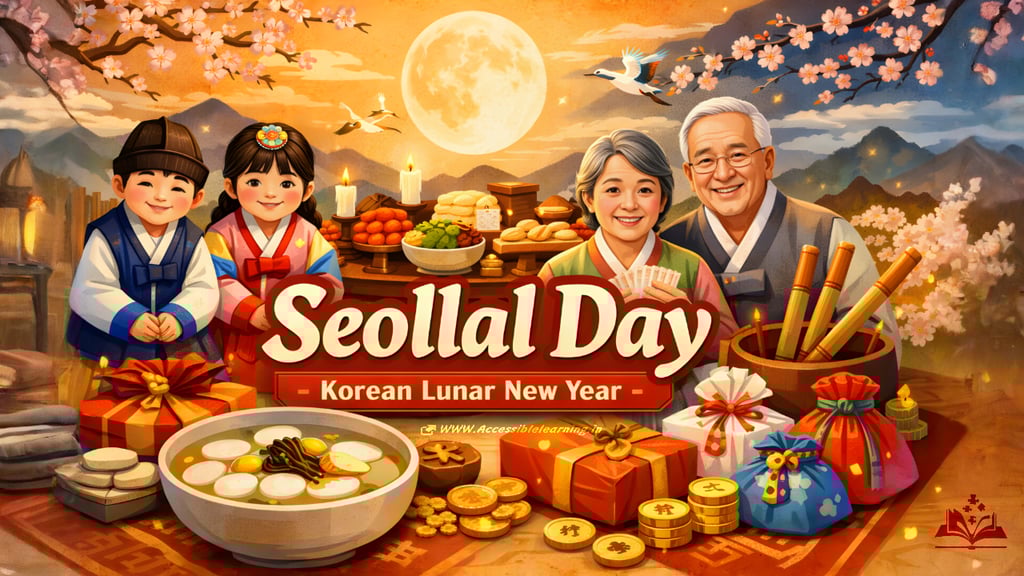
Seollal (설날), also known as Korean Lunar New Year, is one of the most important traditional holidays in South Korea and among Korean communities worldwide. More than just a New Year celebration, Seollal is a deeply cultural and emotional time when families reconnect, honor ancestors, share traditional foods, and pass down customs across generations.
In this article, we’ll cover everything you need to know about Seollal Day: its meaning, traditions, rituals, foods, clothing, greetings, and how Koreans celebrate today.
What Is Seollal Day?
Seollal Day refers to the celebration of the Lunar New Year in Korea, which follows the traditional lunar calendar rather than the Gregorian calendar. While January 1 is still celebrated as New Year’s Day, Seollal is considered the true traditional New Year in Korean culture.
It is typically celebrated over three days:
The day before Seollal
Seollal Day (Lunar New Year’s Day)
The day after Seollal
These days are national holidays in South Korea, and the entire country shifts into a family-focused mode.
When Is Seollal Celebrated?
Seollal is celebrated on the first day of the first month of the lunar calendar. That means Seollal changes every year in the Gregorian calendar, usually falling in late January or February.
Quick fact: Seollal is closely related to Lunar New Year celebrations in China and Vietnam but has uniquely Korean customs and rituals.
Why Is Seollal Important in Korean Culture?
Seollal is not just a festival. It reflects key values that Korean society deeply respects:
1. Family and Connection
Many Koreans travel long distances to return to their hometowns and spend time with parents and relatives. The holiday is a reminder that family bonds come first.
2. Respect for Elders
Greeting older family members and receiving blessings from them is a major part of Seollal.
3. Honoring Ancestors
Ancestral respect is at the heart of Seollal, expressed through traditional rituals that symbolize gratitude toward previous generations.
Key Seollal Traditions and Customs
Seollal includes multiple cultural practices that combine ritual, celebration, and family unity.
Charye (차례): Ancestral Memorial Rite
One of the most significant traditions is Charye, a ritual performed in the morning to honor ancestors. It involves:
Preparing a ceremonial table with traditional foods
Offering these foods to ancestors
Bowing and showing respect
This ceremony symbolizes:
gratitude
continuity of family lineage
remembering those who came before
Even though modern lifestyles are changing, many families still keep some version of Charye.
Sebae (세배): The Traditional New Year’s Bow
After the ancestral rites, younger family members perform Sebae, a deep formal bow to elders. In return, elders offer:
blessings for the new year
advice and good wishes
money gifts called Sebaetdon (세뱃돈)
This is one of the most heartwarming Seollal moments especially for children.
Wearing Hanbok (한복)
During Seollal, many Koreans wear Hanbok, the traditional Korean outfit. Hanbok represents:
Korean identity and heritage
respect for tradition
festive spirit
Modern Hanbok styles are now popular too; they maintain the cultural feel but are easier to wear.
Traditional Games (민속놀이)
Seollal is also a time for fun. Families often play traditional games like:
Yutnori (윷놀이) – a board game using wooden sticks
Jegichagi (제기차기) – similar to shuttlecock kicking
Neolttwigi (널뛰기) – traditional jumping board game
Tuho (투호) – throwing arrows into a container
These games bring generations together and create the “festival feeling.”


What Food Is Eaten on Seollal?
Food is a major part of Seollal, and each dish carries meaning.
Tteokguk (떡국): The Most Important Seollal Food
The iconic Seollal dish is Tteokguk, a soup made with sliced rice cakes (tteok).
Why is it important?
Koreans believe:
eating tteokguk means you gain one year of age
it represents a clean and fresh start
the white rice cakes symbolize purity and good fortune
A Seollal morning often feels incomplete without it.
Jeon (전): Korean Savory Pancakes
Jeon are pan-fried dishes made with ingredients like:
kimchi
fish
vegetables
tofu
meat
They’re served during rituals and family meals and are loved because they’re rich, comforting, and festive.
Galbijjim (갈비찜): Braised Short Ribs
This is a classic celebration dish:
beef short ribs
soy-based sauce
sweet and savory flavor
cooked slowly until soft
Often served during big family meals because it feels special and luxurious.
Japchae (잡채): Glass Noodles with Vegetables
Japchae is commonly served at festivals and gatherings. It’s flavorful, colorful, and often cooked in large portions for family meals.
Hangwa (한과): Traditional Korean Sweets
Hangwa includes:
yakgwa (honey cookies)
rice puffs
sweet treats made from grains, honey, and nuts
They are often offered to ancestors and served to guests.
How Is Seollal Celebrated in Modern Korea Today?
Modern Seollal celebrations still follow tradition, but lifestyles have shifted.
What remains the same:
family gatherings
Sebae bows
eating tteokguk
gift-giving
What has changed:
many people travel abroad or avoid long travel
some families simplify ancestral rituals
more people celebrate in cities instead of hometowns
Still, the emotional meaning remains strong: Seollal is a “family-first” holiday.
Seollal Travel Rush: The Biggest Movement of People in Korea
Seollal is famous for one major thing besides traditions: mass travel. Millions travel to their hometowns, creating:
huge traffic jams
crowded trains and buses
long-distance family reunions
It’s very similar to Thanksgiving travel in the U.S., but often even bigger in scale.
Seollal Greetings: What Koreans Say
The most common Seollal greeting is:
“새해 복 많이 받으세요”
(Saehae bok mani badeuseyo)
Meaning: “Please receive a lot of good luck in the new year.”
Other respectful greetings include:
wishing health
wishing success
thanking elders for guidance
Seollal Gift Culture (What People Give)
Gift giving is important and usually practical. Popular Seollal gifts include:
money (especially to kids)
Korean pear gift boxes
health supplements (like ginseng)
spam gift sets (very common in Korea!)
cooking oils and premium food packs
Gifts are a way to show gratitude and care.
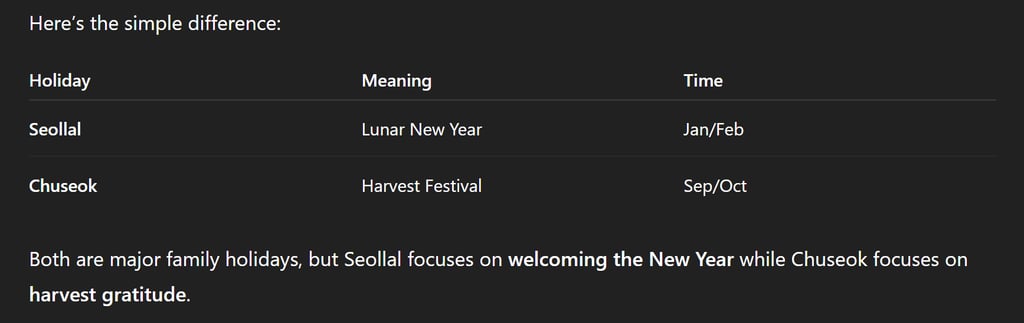
Seollal vs Chuseok: What’s the Difference?
Many people confuse Seollal with Chuseok.

Seollal Day: Cultural Meaning Beyond Celebration
Seollal stands out because it balances three things beautifully:
Spiritual respect (ancestors and roots)
Emotional warmth (family reunion)
Cultural identity (food, clothes, games)
Even Koreans living abroad often celebrate Seollal as a way to stay connected to their heritage.
Frequently Asked Questions
Q: Is Seollal a public holiday in South Korea?
Yes. Seollal is one of the most important national holidays and is typically a 3-day official holiday.
Q: What is the main food eaten on Seollal?
The most important dish is tteokguk (rice cake soup), which symbolizes becoming one year older and starting fresh.
Q: What do Koreans do during Seollal?
Koreans:
honor ancestors (Charye)
bow to elders (Sebae)
eat traditional meals
play folk games
spend time with family
Q: Do Koreans wear traditional dress on Seollal?
Many families wear Hanbok, especially for Sebae and photos, though modern celebrations may include casual clothing too.
Why Seollal Still Matters Today
In a fast-moving modern world, Seollal remains deeply meaningful because it reminds people of what matters most: family, gratitude, and cultural roots. Whether celebrated in a village home, a Seoul apartment, or overseas, Seollal continues to be a powerful tradition that connects Koreans to their past while welcoming the future with hope.
Subscribe to Frontier Intelligence
All © Copyright reserved by Accessible-Learning Hub
| Terms & Conditions
Accessible Learning Hub — Actionable clarity for high-agency minds.
Weekly breakdowns on AI breakthroughs, capital flow, and human performance systems. Zero fluff.