

Sapporo White Illumination: The Festival That Lights Up Hokkaido’s Winter
A detailed and human-centered look at Sapporo White Illumination, Japan’s pioneering winter light festival that transforms Sapporo into a glowing snow city. This guide covers its history, main locations, artistic installations, seasonal highlights, travel tips and why it remains one of Hokkaido’s most loved winter attractions.
CULTURE/TRADITIONEVENT/SPECIALJAPAN
Kim Shin
12/11/20253 min read
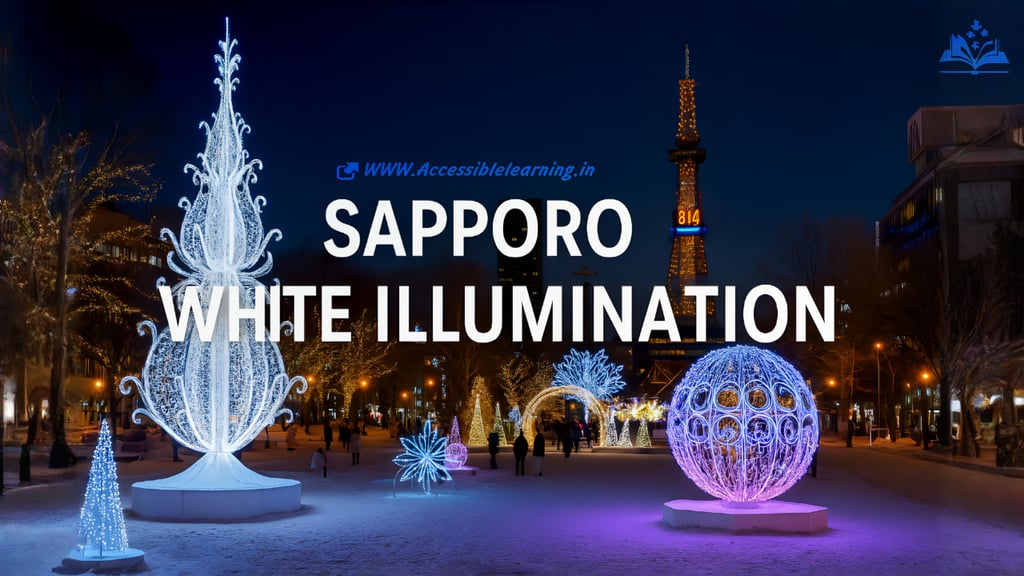
Sapporo White Illumination is one of Japan’s most loved winter festivals and the first large-scale illumination event ever held in the country. What started in 1981 with a handful of light bulbs has become a citywide celebration that transforms Sapporo into a glowing winter landscape from late November to February. The festival blends creativity, technology and seasonal culture, turning snowy streets into a calm and visually rich experience.
The heart of the festival lies in Odori Park, a long green stretch running through central Sapporo. This area becomes a gallery of illuminated art installations that range from geometric sculptures to nature-inspired pieces. Each section of the park uses different themes, colors and lighting patterns. The designs change every year, which keeps the event interesting for both locals and returning travelers. Walking through the park feels like moving through a series of outdoor light rooms, each with its own atmosphere.
Susukino offers a different side of the festival. This district is known for nightlife, so the illuminations match that energy with brighter colors, neon-style lights and upbeat installations. It’s louder, more vibrant and more social. Visitors often stop here for food, drinks and quick photo sessions before heading to other areas.
Sapporo Station is another key location. Since it’s one of the busiest transit points in Hokkaido, the lighting here sets the tone for people arriving in the city. Illuminated arches, large display trees and warm-white decorative lights create a welcoming entrance. This area often features commercial tie-ins, seasonal promotions and light shows that run on scheduled intervals.
Higashi-Tonden Green Park and the Sapporo Ekimae-dori area have become popular additions in recent years. They offer quieter corners of the festival, where soft lighting and minimalist displays create a more peaceful walking route. These areas are perfect for people who want to enjoy the illumination without large crowds.
The festival’s connection to sustainability has grown stronger over time. Most installations use power-saving LED systems, and the city continues to optimize placement and power usage across all zones. By reducing energy consumption while expanding artistic creativity, Sapporo shows how large festivals can evolve responsibly without losing their charm.
Visitors often combine the illumination with other seasonal events. The Sapporo German Christmas Market takes place next to Odori Park and brings authentic European-style stalls, mulled wine and holiday gifts. Together, the events create a warm and festive atmosphere despite the freezing temperatures.
Local food is another highlight. Hot chocolate, soup curry, grilled corn, butter potatoes and Hokkaido dairy snacks are commonly found around the illuminated areas. These quick bites help people stay warm while moving through the festival route.
Photography lovers appreciate the event’s natural setting. Snow reflects the glow of the lights, adding depth and clarity to photos even at night. Many installations are built with clean angles and open space, making them easy to capture. Drones are restricted during the event, but handheld cameras and phones work well due to the reflective environment.
Sapporo White Illumination also has a strong cultural purpose. It was created to brighten the winter months, which can be long and dark in northern Japan. The festival brings people outdoors, encourages community participation and supports local tourism. Hotels, restaurants and shops see a significant rise in visitors during the season.
Travelers planning to attend should prepare for cold weather. Temperatures often fall below zero, and snow is common. Layered clothing, waterproof boots and gloves are essential. Most of the event is walkable, and public transport makes it easy to move between different areas.
The beauty of Sapporo White Illumination lies in its simplicity. It doesn’t rely on overwhelming themes or heavy technology. Instead, it focuses on using light to create atmosphere. Whether someone wants a quiet winter walk or a lively evening out, the festival offers both without losing its identity.
As one of Japan’s longest-running light events, Sapporo White Illumination continues to set the standard for winter festivals. Its mix of artistic design, seasonal comfort and citywide involvement makes it a yearly highlight for visitors from around the world.
Subscribe to Frontier Intelligence
All © Copyright reserved by Accessible-Learning Hub
| Terms & Conditions
Accessible Learning Hub — Actionable clarity for high-agency minds.
Weekly breakdowns on AI breakthroughs, capital flow, and human performance systems. Zero fluff.