

Russian Winter Festival: Traditions, Culture, and the Spirit of the Snow
Experience the magic of the Russian Winter Festival, where snow-covered landscapes, ancient traditions, folk music, and seasonal rituals come together to celebrate resilience, culture, and the beauty of winter in Russia.
CULTURE/TRADITIONEVENT/SPECIALCELEBRATION/FESTIVALSRUSSIA
Kim Shin
1/1/20265 min read
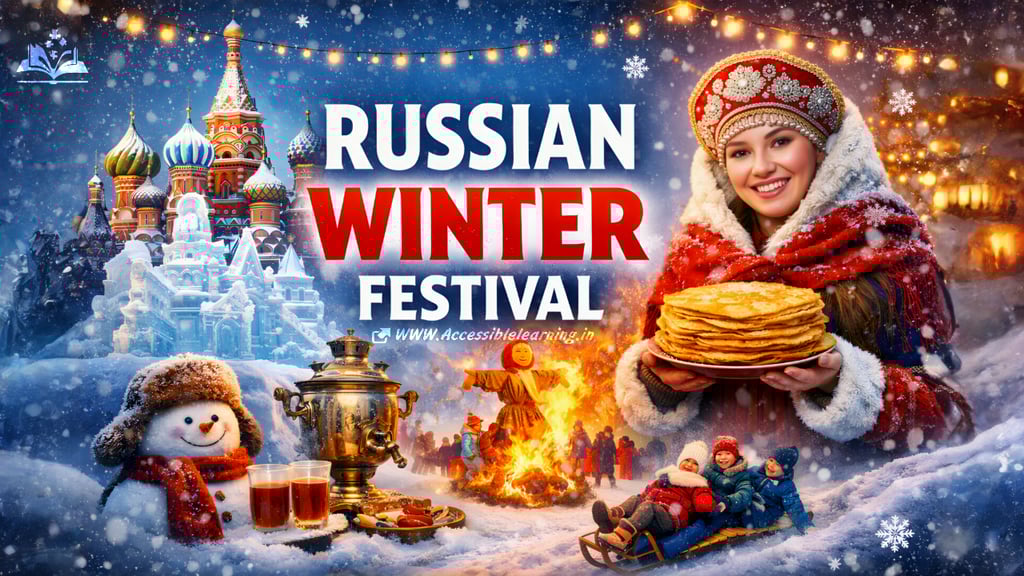
The Russian Winter Festival is not a single-day event. It is a season-long cultural celebration that captures how Russians have learned to live, survive, and even celebrate life in one of the harshest climates on Earth. Rooted in Slavic traditions, Orthodox Christian customs, and folk culture, the festival turns snow, ice, and freezing temperatures into symbols of beauty, strength, and community.
For travelers, historians, and culture enthusiasts, the Russian Winter Festival offers a rare look at how winter shapes national identity in Russia.
What Is the Russian Winter Festival?
The Russian Winter Festival is a collection of winter celebrations held mainly from late December to early March across Russia. It blends ancient pagan rituals, medieval folk traditions, and modern cultural events. While there is no single official date nationwide, major celebrations often peak between New Year’s Day, Orthodox Christmas on January 7, and Maslenitsa, the famous farewell-to-winter week.
Cities like Moscow, Saint Petersburg, Suzdal, Kazan, and Siberian towns host large-scale events, while villages preserve more traditional and ritual-based celebrations.
Historical Roots of the Festival
Winter festivals in Russia date back over a thousand years. Long before Christianity arrived, Slavic tribes marked the winter solstice as a sacred time. It symbolized survival, rebirth, and hope for the return of the sun.
After the adoption of Orthodox Christianity in 988 AD, pagan customs merged with Christian traditions rather than disappearing. This blending created a unique cultural layer where church rituals coexisted with folk songs, seasonal foods, and symbolic games.
During the Soviet era, religious elements were minimized, but winter celebrations continued in a secular form, focusing on New Year festivities, ice sculpture exhibitions, and public performances. After the 1990s, many traditional and religious elements returned, enriching the modern Russian Winter Festival.
Key Elements of the Russian Winter Festival
Ice and Snow Art
One of the most striking features of the festival is large-scale ice and snow sculpture exhibitions. Artists carve massive frozen castles, fairy-tale characters, animals, and historical figures. These sculptures are often illuminated at night, transforming city parks into glowing winter wonderlands.
Moscow’s parks and Siberian cities like Novosibirsk are especially famous for these displays.
Traditional Winter Games
Russian winter games are energetic, playful, and deeply symbolic. Popular activities include:
Snowball fights that encourage group participation
Ice skating on frozen rivers and lakes
Sledding using wooden sleds or traditional village styles
Strength contests such as pole climbing to win prizes
These games reflect endurance, teamwork, and humor, values that are essential to life in extreme winters.
Maslenitsa: The Heart of the Festival
Maslenitsa is often considered the emotional center of the Russian winter season. Celebrated in late February or early March, it marks the end of winter and the approach of spring.
Key Maslenitsa traditions include:
Eating blini (thin pancakes) that symbolize the sun
Folk dancing and music performances
Wearing traditional costumes
Burning a straw effigy of Lady Winter, symbolizing renewal
Maslenitsa combines joy, nostalgia, and spiritual cleansing, making it one of the most anticipated winter events in Russia.
Food and Drink Traditions
Food plays a central role in keeping both body and spirit warm during the festival. Common winter dishes include:
Blini served with honey, sour cream, or caviar
Shchi (cabbage soup) and borscht for warmth
Pirozhki filled with meat, potatoes, or mushrooms
Hot tea from samovars, often flavored with herbs or berries
These meals are not just about nutrition. They are about hospitality, family bonding, and survival in cold conditions.
Clothing and Visual Culture
Traditional winter clothing becomes part of the celebration. People wear fur hats, embroidered shawls, felt boots known as valenki, and colorful scarves. Folk performers often dress in historical costumes, recreating scenes from medieval Russia.
The contrast between bright clothing and white snow creates a powerful visual identity that photographers and visitors find unforgettable.
Regional Variations Across Russia
Russia’s vast size means winter festivals differ by region.
Moscow and Saint Petersburg focus on cultural performances, ice festivals, and tourism-friendly events
Siberia emphasizes endurance-based activities, ice swimming, and survival traditions
Golden Ring towns highlight folklore, wooden architecture, and historical reenactments
Northern regions incorporate indigenous traditions and Arctic survival skills
Each region adds its own interpretation while staying connected to the larger theme of winter celebration.
Cultural and Social Importance
The Russian Winter Festival is more than entertainment. It reinforces national resilience, community spirit, and respect for nature. Winter in Russia is not seen as an enemy but as a teacher that builds patience and strength.
Families gather, strangers interact in public celebrations, and generations pass down stories and customs. In a society shaped by long winters, these festivals help preserve cultural memory.


Russian Winter Festival in Modern Times
Today, the festival also plays a role in tourism and cultural diplomacy. International visitors are drawn to winter markets, ice cities, and folk concerts. Social media and digital platforms have made these traditions visible worldwide, helping younger generations reconnect with heritage in a modern way.
Despite modernization, the heart of the festival remains unchanged. It is still about warmth in the cold, joy in hardship, and unity during the darkest months of the year.
Why the Russian Winter Festival Still Matters
In a fast-paced world, the Russian Winter Festival reminds people to slow down, gather together, and honor nature’s cycles. It shows how culture can turn adversity into celebration and how traditions can survive centuries of change.
Whether experienced in a bustling city square or a quiet snow-covered village, the Russian Winter Festival remains one of the most authentic expressions of Russian identity.
Short but Important Travel Guidance
Dress in layers. Thermal innerwear, insulated jackets, gloves, and waterproof boots are essential.
Temperatures can drop below minus 20°C in some regions, so plan outdoor time wisely.
Use public transport in major cities. It is reliable even in heavy snow.
Carry cash for small markets and street food stalls.
Learn a few basic Russian phrases. It helps with navigation and local interactions.
Check local festival schedules in advance, as dates can vary by city and region.
This preparation ensures a comfortable and memorable winter festival experience.
Frequently Asked Questions
Q: When is the best time to experience the Russian Winter Festival?
Late December to early March is ideal. January offers peak winter scenery, while Maslenitsa in February or early March is the most vibrant cultural highlight.
Q: Is the Russian Winter Festival celebrated across the entire country?
Yes. While events vary by region, most cities and towns host winter activities, markets, and folk performances.
Q: Do I need tickets to attend festival events?
Most outdoor events, parades, and ice sculpture parks are free. Some concerts, workshops, or indoor shows may require tickets.
Q: Is it safe for international tourists to attend winter festivals in Russia?
Yes, festival areas are generally well-organized and secure. Tourists should still follow basic safety and travel guidelines.
Q: What foods should travelers try during the festival?
Blini, hot soups like borscht or shchi, pirozhki, and traditional tea from a samovar are must-try winter staples.
Subscribe To Our Newsletter
All © Copyright reserved by Accessible-Learning Hub
| Terms & Conditions
Knowledge is power. Learn with Us. 📚

