

Orthodox Palm Sunday: Meaning, Traditions, and the Story Behind the Celebration
Orthodox Palm Sunday marks the joyful entry of Jesus Christ into Jerusalem and the beginning of Holy Week. Discover its biblical story, traditions, symbolism, and how Orthodox Christians around the world celebrate this meaningful day.
CULTURE/TRADITIONEVENT/SPECIALEUROPEAN UNION
Kim Shin
3/25/20265 min read
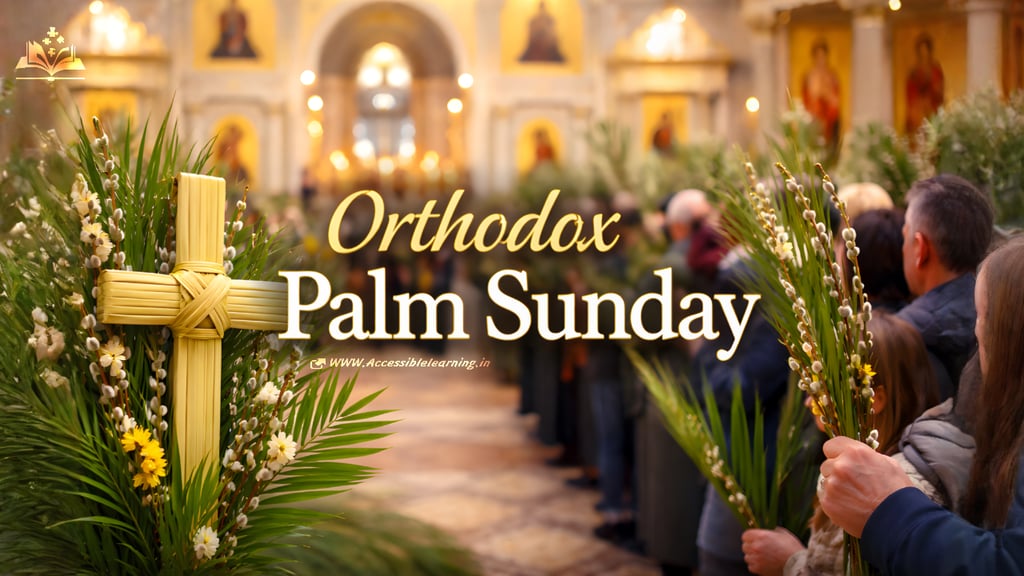
Orthodox Palm Sunday is one of the most meaningful celebrations in the Christian calendar. It commemorates the day Jesus Christ entered Jerusalem and was welcomed by crowds waving palm branches and praising Him as king.
The celebration takes place one week before Easter and marks the beginning of Holy Week. For the Eastern Orthodox Church, Palm Sunday is both a joyful celebration and a moment of reflection that prepares believers for the final events of Christ’s life.
The Biblical Story Behind Palm Sunday
The story comes from the Gospels of the New Testament. Jesus arrived in Jerusalem after traveling from the Mount of Olives. Instead of entering as a political ruler or military leader, He rode into the city on a donkey.
Large crowds gathered to greet Him. People spread their cloaks on the road and waved palm branches while shouting:
“Hosanna! Blessed is He who comes in the name of the Lord.”
In ancient cultures, palm branches symbolized victory, honor, and peace. By waving them, the people recognized Jesus as a spiritual king and the long-awaited Messiah.
Why Palm Branches Became a Symbol
Palm branches became the main symbol of the celebration because they represent triumph and new life. During Palm Sunday services, priests bless the branches and distribute them to worshippers. Many believers take them home and place them near icons or in their prayer spaces as a reminder of faith.
In regions where palm trees are rare, churches often use:
Willow branches
Olive branches
Spring flowers or greenery
For example, in Russia and many parts of Eastern Europe, Palm Sunday is sometimes called “Willow Sunday.”
A Celebration in the Middle of Lent
Palm Sunday occurs during the strict fasting period of Lent. However, it is one of the few days when fasting rules are relaxed.
Orthodox tradition usually allows believers to eat fish, along with wine and olive oil. This small celebration reflects the joyful nature of the day before the solemn events of Holy Week begin.
The day before Palm Sunday is also important. It is called Lazarus Saturday, which commemorates the miracle when Jesus raised Lazarus of Bethany from the dead. This miracle is seen as a sign pointing toward the future resurrection.
Palm Sunday Church Services
Palm Sunday services are among the most joyful liturgies of the Lenten season. Churches are decorated with green branches and flowers, symbolizing life and renewal. Special hymns are sung that celebrate Christ as the victorious king who enters Jerusalem peacefully.
During the service:
Palm branches are blessed
Believers hold the branches during prayers
Hymns describing Christ’s arrival in Jerusalem are sung
Many churches also hold a procession, where people walk together while holding branches.


Processions and Community Celebrations
Processions are an important tradition in many Orthodox communities. Believers walk together around the church holding branches, symbolizing the crowd that welcomed Jesus into Jerusalem. Children often participate in these processions, reflecting the joy described in the biblical story. In some countries, people also weave palm leaves into small crosses or decorative shapes that are kept throughout the year.
How Different Countries Celebrate
Orthodox Palm Sunday is celebrated across many cultures, each adding its own traditions.
Greece: Churches often distribute woven palm crosses. Families attend services together, and children may sing traditional hymns.
Russia and Eastern Europe: Willow branches are commonly used instead of palm leaves. People gently tap friends or family with willow branches as a playful symbol of blessing and health.
Middle Eastern countries: Palm branches are widely used, and large public processions take place, especially in cities with historic Christian communities.
Ethiopia: Celebrations include colorful clothing, traditional music, and large gatherings at church.
The Spiritual Message of Palm Sunday
Palm Sunday carries several powerful lessons that believers reflect on.
Humility: Jesus chose to enter Jerusalem on a donkey instead of a powerful horse. This symbolizes peaceful leadership and humility.
Temporary Praise: The same crowd that celebrated Him on Palm Sunday would soon turn against Him. This reminds believers about the importance of sincere faith.
Hope and Renewal: Palm branches represent victory and new life, pointing toward the resurrection that Christians celebrate at Easter.
Palm Sunday therefore stands at a unique moment in the Christian story. It begins with celebration but leads directly into the solemn journey of Holy Week.
Why Palm Sunday Still Matters Today
For millions of Orthodox Christians, Palm Sunday is more than a historical event. It is a reminder of faith, humility, and spiritual preparation.
The celebration connects modern believers with a story that has been remembered for nearly two thousand years. Through church services, processions, and traditions, Palm Sunday continues to bring communities together and prepare hearts for the celebration of Easter.


FAQ's
Q: What is Orthodox Palm Sunday?
Orthodox Palm Sunday is a Christian feast that commemorates the triumphant entry of Jesus Christ into Jerusalem. It is celebrated one week before Easter and marks the beginning of Holy Week in the Orthodox Christian calendar.
Q: Why do Orthodox Christians celebrate Palm Sunday?
Orthodox Christians celebrate Palm Sunday to remember the moment when people welcomed Jesus into Jerusalem by waving palm branches and praising Him as king. The day also prepares believers spiritually for the events of Holy Week, including the crucifixion and resurrection.
Q: When is Orthodox Palm Sunday celebrated?
Orthodox Palm Sunday is celebrated one week before Orthodox Easter. The date changes every year because the Eastern Orthodox Church follows the Julian calendar to determine Easter, which often results in a different date than Western churches.
Q: Why are palm branches used on Palm Sunday?
Palm branches symbolize victory, peace, and honor. According to the Gospel accounts, crowds placed palm branches on the road and waved them to welcome Jesus as He entered Jerusalem.
Q: Why do some Orthodox churches use willow branches instead of palms?
In many regions, especially in Russia and Eastern Europe, palm trees are not common. Churches use willow branches instead because they bloom in early spring and symbolize new life. This tradition is why the celebration is sometimes called Willow Sunday.
Q: What happens during an Orthodox Palm Sunday service?
During Palm Sunday services, priests bless palm or willow branches and distribute them to believers. Special hymns are sung, and in many churches people take part in a procession while holding branches to symbolize the crowd welcoming Jesus into Jerusalem.
Q: Is fasting required on Orthodox Palm Sunday?
Palm Sunday takes place during the Lenten fasting period. However, it is one of the few days when fasting rules are relaxed. Many Orthodox Christians are allowed to eat fish, along with wine and olive oil.
Q: What is Lazarus Saturday, and how is it related to Palm Sunday?
Lazarus Saturday is celebrated the day before Palm Sunday. It remembers the miracle when Jesus raised Lazarus of Bethany from the dead. This event strengthened the belief of many people and is closely connected to the celebration of Palm Sunday.
Q: Why did Jesus ride a donkey into Jerusalem?
Jesus rode into Jerusalem on a donkey as a symbol of humility and peace. In ancient times, kings often rode horses during war, but riding a donkey represented a peaceful and humble king.
Q: What happens after Palm Sunday in the Orthodox Church?
Palm Sunday begins Holy Week, the most sacred period in the Christian calendar. During this week, Orthodox Christians remember the final days of Jesus’ life, leading to His crucifixion and resurrection on Easter.
Subscribe to Frontier Intelligence
All © Copyright reserved by Accessible-Learning Hub
| Terms & Conditions
Accessible Learning Hub — Actionable clarity for high-agency minds.
Weekly breakdowns on AI breakthroughs, capital flow, and human performance systems. Zero fluff.