

Ōmisoka (大晦日): Japan’s Year-End Traditions and Their Meaning
Discover the meaning and traditions of Ōmisoka (大晦日), Japan’s final night of the year. Learn about its rituals, symbolism, regional customs, food culture, temple ceremonies, modern celebrations, and the spiritual significance behind this important Japanese holiday.
CULTURE/TRADITIONEVENT/SPECIALCELEBRATION/FESTIVALSJAPAN
Kim Shin
12/20/20255 min read
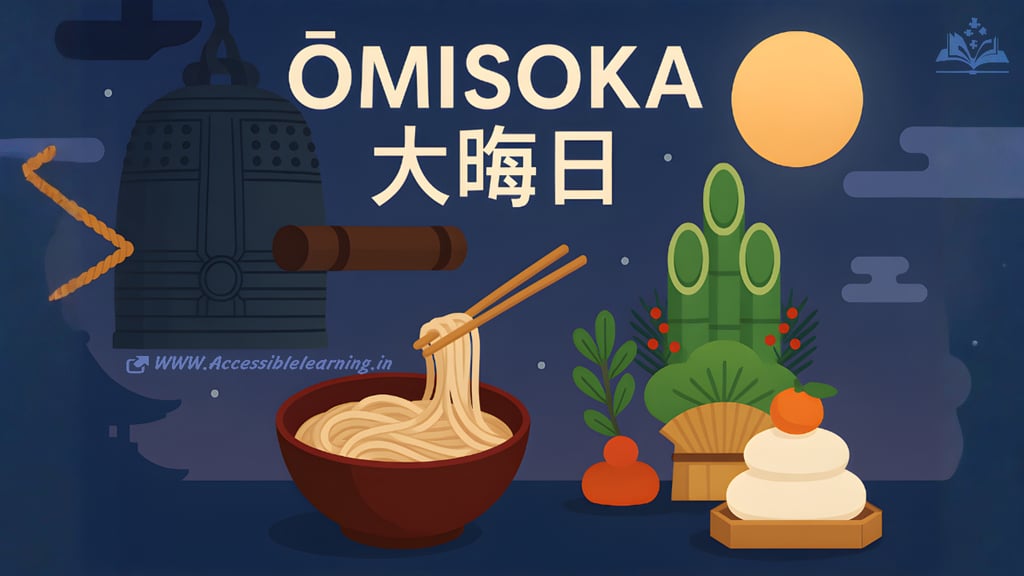
Ōmisoka is one of Japan’s most symbolic days. Beyond being the last date on the calendar, it represents the closure of an entire chapter of life. Over the centuries, the rituals connected to this night have grown into a balanced mix of spiritual discipline, family bonding, and simple comfort.
Below is additional information to deepen the article even further.
Historical Roots and Evolution
Ōmisoka’s traditions have deep origins in the lunar calendar and agricultural life.
Ancient farming traditions
Before the modern calendar, the year’s end coincided with the winter rest period for farmers. This created a natural time to:
Pause work
Reflect on the year’s harvest
Show gratitude to nature’s spirits
These practices evolved into the spiritual New Year traditions we see today.
Connection with Toshigami-sama
Ōmisoka plays a key role in welcoming Toshigami, the deity believed to bring blessings for the year ahead. People prepare their homes so the deity can enter peacefully on New Year’s Day.
From lunar to solar calendar
When Japan switched to the Gregorian calendar in 1873, the essence of Ōmisoka stayed untouched. Only the date changed. This is why some regions still hold remnants of older, pre-modern customs.
Regional Variations Across Japan
Different prefectures celebrate Ōmisoka with unique details.
Hokkaido
Families often enjoy a heartier meal due to colder weather. Crab dishes or seafood hot pots sometimes accompany soba.
Kyoto
Many temples hold extended purification ceremonies. Kyoto’s Joya no Kane becomes a major cultural attraction.
Okinawa
People may eat Okinawa soba instead of the traditional buckwheat soba. Families also prepare special New Year pork dishes.
Nagano
Famous for the quality of soba, Nagano treats Toshikoshi Soba as a centerpiece, sometimes paired with local pickles and mountain vegetables.
Tohoku
Visiting hot springs (onsen) on Ōmisoka is a cultural favorite due to the extreme winter.
Lesser-Known Customs
Here are a few traditions not widely discussed but still meaningful.
Watching end-of-year comedy shows
Year-end comedy segments, especially “笑ってはいけない” (Gaki no Tsukai specials), became a modern tradition in many homes.
Sending year-end gifts
Some families send small presents or sweets to express gratitude toward friends, coworkers, or mentors.
Eating special mochi
In some rural areas, mochi is eaten on Ōmisoka night instead of waiting for New Year’s Day.
Traditional bath (年越し風呂)
Some households take a bath before midnight to cleanse physically and spiritually before stepping into the new year.
Symbolic Meanings Behind Ōmisoka Rituals
Cleaning (Ōsōji)
Represents clearing emotional burdens, not only dust.
Soba breaking easily
Symbolizes letting go of hardships from the year.
108 bell strikes
Each bell corresponds to a specific human desire or attachment.
It’s a spiritual “reset button.”
Hatsumōde preparations
The act of preparing for the shrine visit reflects humility and respect for nature’s cycles.
Ōmisoka and Technology
Modern Japan blends traditions with digital life.
Livestream temple bell events
People living abroad or far from temples often join virtual Joya no Kane ceremonies.
Online year-end greetings
Platforms like LINE, Instagram, and even YouTube host special countdown events.
Digital osechi recipes
Younger generations rely on apps and influencers for simplified osechi-making guides.

Family Dynamics and Social Culture
Ōmisoka has an emotional side that often gets overlooked.
Multi-generational bonding
Grandparents, parents, and children often come together to:
Cook soba
Watch TV specials
Clean the house
Share stories about the past year
Reflection and gratitude
Japanese households often take a quiet moment to acknowledge:
Achievements
Challenges
Lost family members
This makes Ōmisoka a grounded and emotionally meaningful night.
Rural vs. urban contrasts
Rural communities keep stronger traditional habits
Urban families may prefer countdown parties or travel
Many young people return to their hometowns during this time
Modern Shifts in Celebration Style
Japan’s younger generations are adding new flavors to Ōmisoka.
Traveling during the year-end
Popular destinations include:
Hokkaido
Okinawa
Kanazawa
Kyoto
Some even travel abroad during the New Year break.
Theme-park countdowns
Tokyo Disneyland, DisneySea, Universal Studios Japan, and Tokyo Tower all host countdown events.
Luxury hotel stays
Families sometimes enjoy buffet dinners and onsen retreats at hotels or ryokans.
The Economic Side of Ōmisoka
This night drives major business trends.
Retail peak
Supermarkets and department stores get crowded as people rush to buy:
Osechi ingredients
Soba
Decorations
Gifts
Travel surge
Bullet trains and airports become extremely busy as people return home.
TV ratings
Ōmisoka is one of the highest TV viewership nights of the year.
Spiritual Reflection Practices
Some people use Ōmisoka for personal introspection.
Writing year-end letters
A few households write letters to themselves or family members as a reflection exercise.
Jōya-e ceremonies
Temples sometimes hold reading sessions of Buddhist teachings.
Candle rituals
Some families light candles at home to symbolize light entering the new year.
Ōmisoka for Tourists
If someone is visiting Japan, Ōmisoka is a special time to explore.
Best places to experience the traditions
Zojoji Temple (Tokyo)
Senso-ji Temple (Asakusa)
Kiyomizu-dera (Kyoto)
Kōdaiji Temple (Kyoto)
Todaiji Temple (Nara)
Tips for visitors
Many shops close early
Trains run on extended schedules for shrine visits
Be prepared for crowds at major sites
Some restaurants offer soba specials exclusively on this night
Connection to Japanese Mindset
Ōmisoka reveals a lot about Japanese values.
It shows how Japan balances:
Community and individuality
Tradition and modernity
Simplicity and depth
Spirituality and daily life
Family connection and personal reflection
It's not just a date. It’s a cultural philosophy.
Ōmisoka is more than the end of December. It’s a conversation between the past and the future. It’s a night where the country slows down, listens to the soft strike of temple bells, and prepares itself for renewal. Every detail from the soba to the decorations is gentle, intentional, and deeply meaningful.


FAQ's
Q: What is Ōmisoka in Japan?
Ōmisoka is Japan’s New Year’s Eve, celebrated on December 31. It marks the end of the year and focuses on reflection, purification, family time, and preparing to welcome the New Year deity, Toshigami.
Q: Why do people eat Toshikoshi Soba on Ōmisoka?
Toshikoshi Soba represents long life, resilience, and the symbolic act of cutting ties with misfortune. The noodles break easily, which signifies leaving behind difficulties from the past year.
Q: What is the meaning of the 108 bell rings at midnight?
Temples ring their bells 108 times in a ritual called Joya no Kane. In Buddhism, 108 represents the human desires that cause suffering. The ringing cleanses the mind and prepares people for a fresh start.
Q: Is Ōmisoka a public holiday in Japan?
December 31 is not an official public holiday, but many businesses close early. The actual holiday period begins on January 1 and continues for several days.
Q: How do families typically celebrate Ōmisoka?
Most families clean their homes, eat soba together, watch year-end TV programs like Kōhaku Uta Gassen, and prepare for Hatsumōde, the first shrine visit of the year.
Q: What is the difference between Ōmisoka and New Year’s Eve in Western countries?
Western celebrations focus on parties and countdowns. Ōmisoka is calmer and more spiritual, centered on reflection, cleaning, prayer, and family time.
Q: Do people visit shrines on Ōmisoka night?
Yes. Many go to shrines or temples after midnight for Hatsumōde, where they pray for health, happiness, and good fortune in the year ahead.
Q: Are there special decorations used during Ōmisoka?
Yes. Homes display Kadomatsu, Shimenawa, and Kagamimochi to welcome good luck and honor Toshigami.
Q: Does Japan have countdown events too?
Yes, especially in big cities. Places like Shibuya Crossing, Tokyo Tower, USJ, and theme parks hold modern countdown parties, though traditional households prefer quiet celebrations.
Q: What foods are commonly prepared on this night?
Besides soba, families prep ingredients for New Year’s Osechi Ryori, enjoy light snacks, and sometimes eat regional dishes like crab hot pot or Okinawa soba.
Subscribe To Our Newsletter
All © Copyright reserved by Accessible-Learning Hub
| Terms & Conditions
Knowledge is power. Learn with Us. 📚

