

Nyepi (Day of Silence): Meaning, History, Rituals, and Cultural Significance Explained
Nyepi, the Balinese Day of Silence, is a unique New Year celebration where the entire island pauses for reflection, spiritual cleansing, and renewal. This in-depth guide explores the history, rituals, meaning, traditions, environmental impact, and modern relevance of Nyepi, helping readers understand why Bali embraces silence to welcome a new beginning.
CELEBRATION/FESTIVALSINDONESIACULTURE/TRADITIONEVENT/SPECIAL
Kim Shin
3/8/20265 min read


Nyepi, the Balinese Day of Silence, is one of the most distinctive cultural and spiritual observances in the world. Celebrated in Bali, Indonesia, it marks the Balinese Hindu New Year with a full day of stillness, reflection, and spiritual reset. Instead of fireworks and parties, the entire island pauses for 24 hours.
Airports close, streets empty, lights dim, and people turn inward. Nyepi is both a religious tradition and a powerful reminder of balance between humans, nature, and the divine.
What Is Nyepi, and When Is It Celebrated?
Nyepi follows the Saka lunar calendar, used in Balinese Hinduism. Because it is based on lunar cycles, the date changes every year, usually falling in March.
Unlike Western New Year celebrations that focus on social gatherings, Nyepi is about:
Self-reflection
Spiritual cleansing
Silence and mindfulness
Restoring harmony
The day begins at 6 a.m. and lasts until 6 a.m. the next day.
Historical and Religious Roots
Nyepi comes from Balinese Hinduism, a unique form of Hindu practice that blends:
Ancient Indian Hindu beliefs
Local animist traditions
Ancestor worship
Buddhist influences
Balinese Hindus believe life must stay balanced between Bhuwana Agung (the universe) and Bhuwana Alit (the human world). Nyepi is a time to restore that balance. Another belief is that silence makes Bali appear empty to evil spirits, encouraging them to leave peacefully.
The Ritual Cycle Around Nyepi
Nyepi is part of a longer sequence of ceremonies lasting several days.
Melasti: Spiritual Purification
Before Nyepi, sacred temple objects are carried to the sea or holy springs.
People pray, cleanse themselves, and symbolically wash away negativity.
This ritual emphasizes purification of mind, body, and community.
Tawur Kesanga: Balancing the Universe
On the day before Nyepi, priests perform offerings to neutralize negative forces. These rituals include:
Animal offerings
Rice and flower offerings
Chanting and prayers
The goal is cosmic balance.
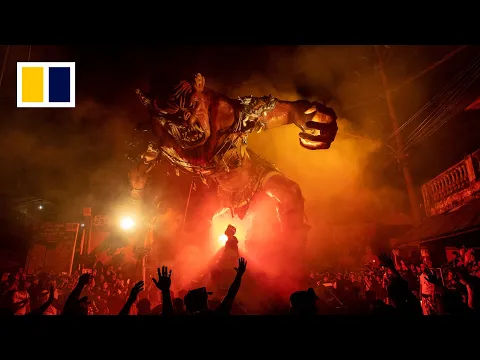
Ogoh-Ogoh Parade: Driving Away Evil
The evening before Nyepi features the famous Ogoh-Ogoh parade.
Villages build giant demon statues representing negative energy.
They parade them through streets with music and torches, then burn them to symbolize purification.
This dramatic night contrasts sharply with the silent day that follows.
The Four Rules of Nyepi
Nyepi is guided by Catur Brata Penyepian, four restrictions observed for 24 hours.
Amati Geni – No fire or bright light
Amati Karya – No work
Amati Lelungan – No travel
Amati Lelanguan – No entertainment
Many Balinese also fast or meditate. Even tourists must follow these rules.
Role of Pecalang: The Traditional Security Guards
Local community guards called Pecalang ensure Nyepi rules are respected.
They patrol streets quietly and help maintain order.
Pecalang are respected members of Balinese society and play an important role in festivals and ceremonies.
Offerings and Symbolism
Balinese Hindu rituals include detailed offerings called Banten. Common items include:
Flowers
Rice
Fruits
Incense
Palm leaf decorations
Each offering has symbolic meaning.
For example:
White flowers represent purity
Yellow flowers symbolize prosperity
Rice represents life and gratitude
Offerings are made at temples, homes, crossroads, and even vehicles.
Environmental Benefits of Nyepi
Nyepi creates a natural pause for the island. Research and observations show:
Lower air pollution
Reduced noise levels
Lower energy use
Clearer night skies
For one night, Bali becomes one of the darkest places on Earth, revealing stars rarely visible due to light pollution. Nyepi has inspired conversations about sustainability and environmental awareness.
Economic and Social Impact
Despite Bali’s heavy tourism industry, Nyepi is respected by all businesses. Airlines cancel flights, shops close, and construction stops. While businesses lose one day of revenue, the cultural value is considered far greater.
Hotels adapt by offering:
Quiet indoor meals
Meditation sessions
Cultural talks
Silent yoga classes
Tourists often describe Nyepi as one of their most memorable travel experiences.
Nyepi in the Digital Age
Modern Bali still observes Nyepi strictly. Some areas reduce mobile signals or internet use. Social media activity slows dramatically. This creates a rare global example of a digital detox. Many people outside Bali now try their own silent day inspired by Nyepi.
Nyepi and Mental Health
In a world of constant notifications and noise, Nyepi offers a powerful mental reset. Benefits include:
Reduced stress
Clearer thinking
Emotional reflection
Better focus
Silence allows people to think about life direction, relationships, and goals. This is why Nyepi is often compared to meditation retreats.
The Day After Nyepi: Ngembak Geni
The next day celebrates renewal. Families visit each other, ask forgiveness, and strengthen relationships. It marks a fresh start for the new year.
Cultural Values Behind Nyepi
Nyepi reflects deep Balinese values:
Community harmony
Respect for nature
Spiritual awareness
Discipline and simplicity
The festival shows how an entire society can cooperate peacefully for a shared purpose.
Nyepi Outside Bali
Balinese Hindu communities in other countries also celebrate Nyepi, though usually without a full public shutdown. In cities like Jakarta, Singapore, and Melbourne, temples hold ceremonies and prayer gatherings. Still, Bali remains the only place where an entire region pauses together.
How to Experience Nyepi Respectfully,
If you ever visit Bali during Nyepi:
Follow hotel guidelines
Keep lights low
Stay quiet
Avoid outdoor activity
It is a rare chance to experience stillness in a busy world. Many visitors say Nyepi becomes the highlight of their trip.
Why Nyepi Matters Today
Nyepi is more than a festival. It is a lesson. It shows that silence can be powerful. That reflection can be more meaningful than celebration. That balance with nature matters.
In a fast, noisy world, Nyepi offers something rare: a complete reset. Whether practiced in Bali or at home with a personal silent day, Nyepi reminds us that peace begins with stillness.


FAQ's
Q: Why does Bali shut down completely during Nyepi?
Nyepi is meant for total self-reflection and spiritual cleansing. Silence helps people detach from daily distractions and restore balance with nature and the divine. The island’s shutdown also symbolizes making Bali appear empty so negative energies leave peacefully.
Q: Is Bali really silent for 24 hours?
Almost completely. Streets are empty, no flights operate, shops close, and even beaches are off-limits. The only sounds usually heard are natural ones like wind, birds, or rain. Emergency services still function quietly when needed.
Q: What happens if tourists break Nyepi rules?
Tourists are expected to follow Nyepi guidelines like everyone else. Local community guards called Pecalang patrol areas to ensure rules are respected. Most issues are handled politely with warnings.
Q: Do people eat during Nyepi?
Some people eat normally indoors, while others choose fasting or simple meals as part of spiritual discipline. It depends on personal or family tradition.
Q: Why are Ogoh-Ogoh statues burned before Nyepi?
Ogoh-Ogoh statues represent negative forces. Burning them symbolizes destroying evil energy before entering the silent new year.
Q: Does Nyepi affect internet and mobile networks?
In some parts of Bali, internet and mobile services are reduced or paused. This supports the spirit of silence and encourages a digital detox.
Q: Can lights be turned on inside homes or hotels?
Lights must be kept very dim and not visible from outside. Hotels usually cover windows and guide guests on how to maintain darkness.
Q: Are airports really closed?
Yes. Bali’s international airport shuts down for Nyepi. It is one of the rare times in the world when an entire region closes air travel for a religious holiday.
Q: What happens after Nyepi ends?
The next day, called Ngembak Geni, is about forgiveness and renewal. Families visit each other, resolve conflicts, and celebrate a fresh start.
Q: Can people outside Bali celebrate Nyepi?
Yes. Many people practice a personal Nyepi by turning off phones, staying quiet, and reflecting on life goals. It’s becoming popular as a mindfulness tradition worldwide.
Subscribe To Our Newsletter
All © Copyright reserved by Accessible-Learning Hub
| Terms & Conditions
Knowledge is power. Learn with Us. 📚

