

Nanjing Massacre Memorial Day: Remembering History and Honoring the Victims
A detailed and thoughtful look at Nanjing Massacre Memorial Day, explaining its history, significance, national ceremonies, survivor stories, global recognition, and its role in preserving peace and historical memory. This guide explores why December 13 is honored across China and how the day continues to shape education, remembrance, and international understanding.
EVENT/SPECIALCHINACELEBRATION/FESTIVALS
Kim Shin
12/2/20254 min read
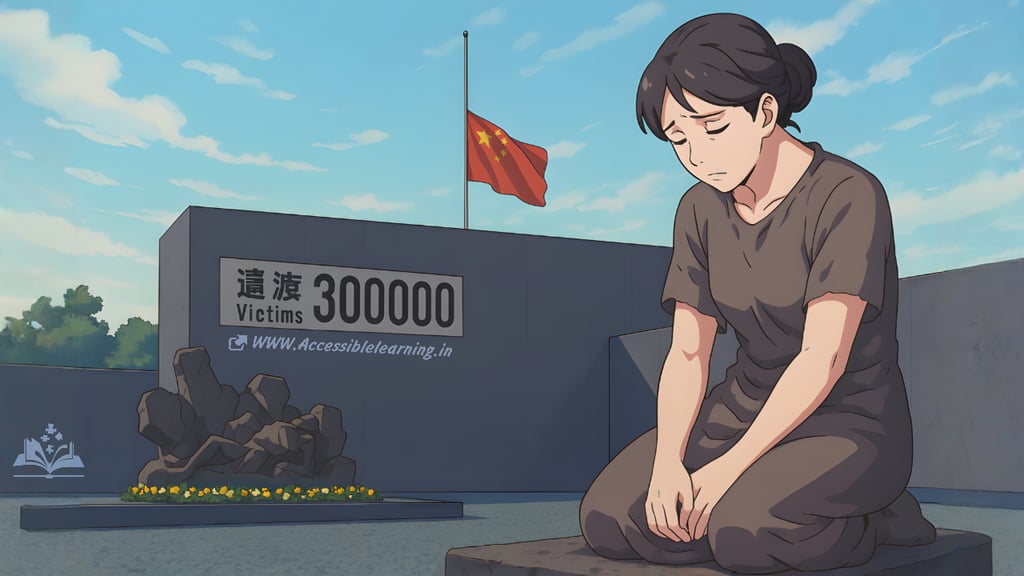
Nanjing Massacre Memorial Day, observed every year on December 13, is a solemn national remembrance in China dedicated to the victims of the 1937 Nanjing Massacre. It reflects a commitment to historical truth, peace education, and honoring those who lost their lives during one of the most devastating events of the 20th century.
A Deeper Look at the Historical Background
The Nanjing Massacre occurred after Japanese forces captured Nanjing on December 13, 1937. What unfolded over the next six weeks was marked by mass killings, sexual violence, and destruction.
Key historical points
Estimated 300,000 deaths, based on Chinese archives and international records.
Over 20,000–80,000 women were subjected to rape; many were later killed.
Thousands of families were wiped out entirely.
Refugee zones, established by Western nationals, saved around 200,000 civilians.
International witnesses such as John Rabe, Minnie Vautrin, and journalists left detailed written evidence.
The event remains one of the most documented wartime tragedies due to diaries, photographs, letters, and court testimonies.
Why China Designated December 13 as Memorial Day
In 2014, the Standing Committee of the National People’s Congress officially announced December 13 as National Memorial Day for Nanjing Massacre Victims.
This designation aimed to
Strengthen public education on wartime history
Honor those who died and those who defended civilians
Promote peaceful coexistence between nations
Counter attempts to deny or distort historical facts
Build a culture of remembrance similar to global Holocaust memorials
The day complements other national commemorations like Victory over Japan Day and Martyrs’ Day.

How China Observes the Memorial Day
The memorial day involves large-scale national and regional activities.
State Ceremony in Nanjing
Held at the Memorial Hall, the ceremony includes:
Wreath-laying by national leaders
Survivor appearances
A moment of collective silence
Peace bell ringing
Reading of historical records and names of victims
The ceremony highlights both mourning and a call for reconciliation.
Flags Lowered Across China
Schools, government offices, and public institutions lower the flag to half-mast.
Air Raid Sirens and Public Pause
At 10:01 AM, sirens echo through Nanjing. Citizens stop walking, cars halt, and the city stands still.
Nationwide Educational Programs
Schools and universities hold:
Documentaries
Seminars
Creative projects
Exhibitions
Survivor interviews
Historical reenactments for awareness
Museum Visits and Candles
People visit the Memorial Hall, other museums, or light candles at home to honor the dead.
Inside the Memorial Hall: What It Represents
The Memorial Hall of the Victims in the Nanjing Massacre stands on the site of a mass grave known as “Jiangdongmen.”
Key Features
Victims’ remains preserved behind glass for education
Large sculptures representing grief and resilience
Survivor audio recordings
Official documents from the post-war Tokyo Trials
A wall engraved with the number “300000”
International Safe Zone Committee archives
The hall focuses on remembrance, evidence, and peace-building.
Survivor Stories and Their Role in Memory Preservation
Over the decades, survivors have shared their accounts, helping the world understand the human side of the tragedy.
Notable survivors
Xia Shuqin, who saw her family killed as a child
Zhang Xiantu, abducted and assaulted
Li Xiuying, a symbol of courage and testimony
Their stories appear in documentaries, museums, and school programs.
Many survivors spent their later years speaking to students, stressing the importance of truth and peace.
International Involvement and the Nanjing Safety Zone
While atrocities occurred, a group of foreigners created the Nanjing Safety Zone, where they sheltered civilians using diplomatic influence.
Key figures included:
John Rabe (Germany)—often called the “Schindler of Nanjing”
Minnie Vautrin (United States)—protected thousands of women
George Fitch, John Magee, and other missionaries and doctors
Their diaries and photos became crucial evidence in post-war trials.
Post-War Trials and Historical Accountability
After WWII, many officers involved in the massacre were tried in
These trials confirmed:
The scale of the killings
The planned, coordinated nature of the violence
The involvement of high-ranking military officials
The trials form a major part of the historical record studied today.
Modern Historical Research and Global Recognition
The massacre is widely recognized by historians globally.
Global research focuses on:
Survivor psychology
Gender-based violence in wartime
International law development
Comparative genocide studies
The role of humanitarian assistance
Many universities worldwide include the tragedy in history and human rights programs.

Why Nanjing Massacre Memorial Day Matters Today
The memorial day is not just about grief. It is about learning and vigilance.
Its modern message
Never allow wartime atrocities to be forgotten
Work for peace, dialogue, and cooperation
Safeguard historical truth in an era of misinformation
Honor victims and those who risked their lives to help them
Empower younger generations with knowledge and empathy
Many countries have similar memorial days, and China’s observance aligns with global remembrance culture.
A Day for Memory, Reflection, and Peace
Nanjing Massacre Memorial Day serves as a strong reminder of the importance of truth and humanity. It honors the victims, recognizes the courage of survivors, and encourages a peaceful future built on understanding.
FAQs
Q: What is Nanjing Massacre Memorial Day?
It is a national remembrance day in China, observed on December 13, to honor the victims of the Nanjing Massacre of 1937. The day focuses on historical memory, peace education, and national mourning.
Q: Why is December 13 chosen as the memorial day?
December 13 marks the day Japanese troops entered Nanjing in 1937, which triggered six weeks of mass killings, sexual violence, and destruction.
Q: How many people were killed in the Nanjing Massacre?
Historical research estimates that around 300,000 civilians and unarmed soldiers were killed during the massacre.
Q: How does China observe the memorial day?
The day includes a state ceremony in Nanjing, national flag lowering, a minute of silence, sirens across the city, educational programs, and public visits to memorial sites.
Q: What is the purpose of the memorial day?
Its purpose is to:
Honor victims
Preserve historical truth
Educate younger generations
Promote peace and prevent historical denial
Q: What role did international witnesses play?
Foreigners like John Rabe, Minnie Vautrin, and others created the Nanjing Safety Zone, saving thousands of civilians. Their diaries, films, and letters became key historical evidence.
Q: Is the Nanjing Massacre recognized globally?
Yes. Historians, universities, human rights organizations, and international museums recognize the massacre as a major wartime atrocity, supported by extensive documentation.
Q: What is the Memorial Hall of the Victims?
It is a large museum and memorial in Nanjing built on a mass grave site. It displays survivor stories, remains, artifacts, photos, trial records, and symbolic sculptures.
Q: Why is remembering the Nanjing Massacre important today?
It encourages awareness of wartime violence, guards against historical distortion, and supports the global message of peace and human dignity.
Subscribe to Frontier Intelligence
All © Copyright reserved by Accessible-Learning Hub
| Terms & Conditions
Accessible Learning Hub — Actionable clarity for high-agency minds.
Weekly breakdowns on AI breakthroughs, capital flow, and human performance systems. Zero fluff.