

NAIDOC Week: Celebrating Indigenous Culture, History, and Resilience in Australia
Discover the history, significance, and celebrations of NAIDOC Week. Learn how this annual Australian observance honors Aboriginal and Torres Strait Islander cultures, achievements, and contributions while promoting education, respect, and reconciliation.
EVENT/SPECIALCULTURE/TRADITIONTRAVEL LIFEAUSTRALIA
Kim Shin
6/27/20267 min read
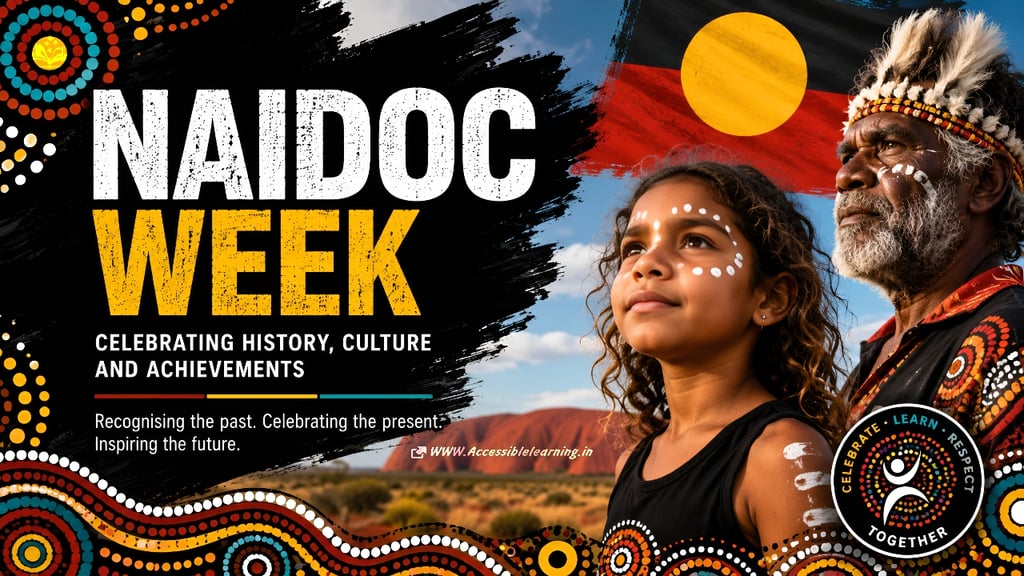
NAIDOC Week is one of Australia's most important cultural observances. Held annually across the country, it honors the history, cultures, achievements, and ongoing contributions of Aboriginal and Torres Strait Islander peoples. More than a celebration, NAIDOC Week is also a time for reflection, education, truth-telling, and recognition of Indigenous Australians' enduring connection to land, community, and culture.
Every year, schools, government institutions, businesses, community groups, and individuals participate in events designed to increase understanding and appreciation of Indigenous heritage. Through cultural performances, exhibitions, educational programs, storytelling sessions, and community gatherings, NAIDOC Week highlights both the achievements and challenges faced by First Nations peoples.
As Australia continues its journey toward reconciliation, NAIDOC Week remains a powerful reminder that Indigenous culture is not simply part of Australia's past. It is a living, thriving, and essential part of the nation's identity.
What Does NAIDOC Stand For?
NAIDOC stands for:
National Aboriginal and Islanders Day Observance Committee
Although the acronym remains in use today, the modern celebration extends far beyond the original committee structure. NAIDOC Week now represents a nationwide movement dedicated to celebrating Indigenous culture and promoting awareness of Aboriginal and Torres Strait Islander histories and achievements.
When Is NAIDOC Week Celebrated?
NAIDOC Week is typically celebrated during the first full week of July each year.
The timing has historical significance, as it commemorates earlier Indigenous rights movements and advocacy campaigns that sought recognition, equality, and citizenship rights for Aboriginal and Torres Strait Islander peoples.
Across Australia, communities host events throughout the week, ranging from local cultural festivals to national award ceremonies.
The Origins of NAIDOC Week
NAIDOC Week did not begin as a cultural festival. Its roots lie in activism and the fight for Indigenous rights.
Early Indigenous Activism
During the early twentieth century, Aboriginal organizations and leaders campaigned against discrimination and government policies that marginalized Indigenous communities.
One of the most significant milestones occurred in 1938 during the 150th anniversary of British colonization in Australia. While many Australians celebrated the occasion, Indigenous leaders organized a protest known as the Day of Mourning.
The Day of Mourning highlighted the following:
Loss of land and culture
Social and political exclusion
Lack of citizenship rights
Ongoing discrimination against Indigenous peoples
This event became one of the earliest organized Indigenous civil rights protests in Australia and laid the foundation for future awareness campaigns.
Evolution into a National Celebration
Over subsequent decades, the movement gained support from churches, community organizations, and Indigenous advocacy groups.
By the 1970s, the observance expanded from a single day into a week-long event. Its focus evolved from protest alone to include the following:
Cultural celebration
Public education
Recognition of achievements
Community engagement
Advocacy for equality and justice
Today, NAIDOC Week balances celebration with reflection, honoring both cultural survival and ongoing struggles for Indigenous rights.
Why NAIDOC Week Matters
NAIDOC Week serves multiple important purposes.
Preserving Indigenous Culture
Aboriginal and Torres Strait Islander cultures represent the oldest continuous living cultures on Earth. NAIDOC Week helps preserve the following:
Traditional languages
Art and storytelling
Music and dance
Cultural knowledge
Spiritual practices
Community traditions
These traditions have survived thousands of years despite colonization and assimilation policies.
Promoting Education
Many Australians use NAIDOC Week as an opportunity to learn about Indigenous history and culture. Educational programs often cover:
Traditional custodianship of land
Indigenous languages
Historical injustices
Contributions of Indigenous leaders
Contemporary Indigenous issues
Greater understanding helps reduce stereotypes and misinformation.
Supporting Reconciliation
Reconciliation involves building respectful relationships between Indigenous and non-Indigenous Australians. NAIDOC Week contributes by encouraging:
Honest conversations
Historical awareness
Mutual respect
Cultural appreciation
Community partnerships
Meaningful reconciliation requires understanding both the achievements and challenges experienced by First Nations peoples.
Recognizing Achievements
Indigenous Australians have made significant contributions across numerous fields, including:
Education
Medicine
Sports
Politics
Arts and entertainment
Science
Community leadership
NAIDOC Week celebrates these achievements and highlights positive role models for future generations.

Aboriginal and Torres Strait Islander Peoples: Understanding the Difference
Although often grouped together, Aboriginal and Torres Strait Islander peoples represent distinct cultural groups.
Aboriginal Peoples
Aboriginal peoples are the original inhabitants of mainland Australia and Tasmania. Hundreds of nations and language groups existed before European colonization.
Each nation possesses unique:
Languages
Customs
Traditions
Stories
Connections to Country
Torres Strait Islander Peoples
Torres Strait Islander peoples originate from the Torres Strait Islands located between northern Australia and Papua New Guinea.
Their cultures have strong maritime traditions and possess distinct languages, customs, and histories.
NAIDOC Week celebrates the diversity and richness of both Indigenous groups.
Annual Themes of NAIDOC Week
Every year, NAIDOC Week adopts a special theme that reflects contemporary issues, cultural priorities, or historical milestones.
These themes help guide:
Educational activities
Community discussions
Cultural events
Public awareness campaigns
Past themes have focused on topics such as the following:
Cultural resilience
Indigenous leadership
Truth-telling
Community strength
Future generations
Recognition of achievements
The annual theme ensures that NAIDOC Week remains relevant while honoring Indigenous traditions and aspirations.
Common NAIDOC Week Activities
Communities across Australia celebrate NAIDOC Week in many ways.
Cultural Performances
Traditional performances often include the following:
Dance ceremonies
Music presentations
Cultural storytelling
Language demonstrations
These events showcase the diversity of Indigenous cultures.
Art Exhibitions
Aboriginal and Torres Strait Islander art receives international recognition for its depth, symbolism, and storytelling traditions. Exhibitions frequently feature the following:
Contemporary artworks
Traditional designs
Sculpture
Photography
Community projects
Educational Workshops
Schools and organizations often host sessions on:
Indigenous history
Cultural protocols
Traditional knowledge
Language preservation
Reconciliation practices
Community Festivals
Many towns and cities organize public gatherings featuring:
Food stalls
Cultural markets
Family activities
Live performances
Community discussions
Award Ceremonies
National and local awards recognize Indigenous excellence in fields such as the following:
Community leadership
Education
Arts
Sports
Environmental stewardship
Youth achievement
Indigenous Contributions to Australia
A major focus of NAIDOC Week is recognizing the immense contributions Indigenous peoples have made to Australia. These include:
Environmental Knowledge
Traditional ecological knowledge has guided sustainable land management for thousands of years. Practices include:
Cultural burning
Water management
Biodiversity protection
Seasonal land stewardship
Arts and Culture
Indigenous art is globally respected and contributes significantly to Australia's cultural identity.
Sports
Many Indigenous athletes have achieved national and international success, inspiring future generations.
Education and Leadership
Indigenous educators, scholars, and leaders continue to shape discussions around policy, culture, and social progress.
Challenges Still Facing Indigenous Communities
NAIDOC Week is not solely about celebration. It also highlights ongoing challenges. These include:
Health disparities
Educational inequalities
Economic disadvantage
Housing issues
Overrepresentation in the justice system
Loss of Indigenous languages
Recognizing these issues is essential for creating meaningful and lasting change. Celebration without acknowledging reality would fail to honor the full purpose of NAIDOC Week.


How People Can Participate in NAIDOC Week
Participation is open to everyone. Ways to get involved include:
Attend Local Events
Community events provide opportunities to learn directly from Indigenous voices and experiences.
Support Indigenous Businesses
Purchasing from Indigenous-owned businesses helps strengthen communities and promote economic opportunities.
Learn Indigenous History
Reading books, visiting museums, and engaging with Indigenous educational resources can deepen understanding.
Listen to Indigenous Perspectives
Meaningful engagement begins by listening to Indigenous stories, experiences, and knowledge.
Promote Respectful Conversations
Constructive discussions about history, culture, and reconciliation help build stronger communities.
The Future of NAIDOC Week
NAIDOC Week continues to grow in significance every year. As awareness increases, more Australians are recognizing the importance of Indigenous knowledge, culture, and leadership.
The future of NAIDOC Week will likely involve:
Greater cultural education
Stronger Indigenous representation
Increased language preservation efforts
Expanded community participation
Deeper national conversations about reconciliation
Its enduring strength lies in its ability to celebrate cultural survival while encouraging honest reflection about Australia's past, present, and future.
NAIDOC Week is far more than a cultural festival. It is a national observance rooted in Indigenous activism, resilience, and the pursuit of recognition and justice. It celebrates the achievements of Aboriginal and Torres Strait Islander peoples while encouraging Australians to learn from the world's oldest living cultures.
The week serves as a reminder that Indigenous history is Australian history, Indigenous culture is Australian culture, and Indigenous voices remain essential to shaping the nation's future. Through celebration, education, and meaningful dialogue, NAIDOC Week continues to strengthen understanding, respect, and reconciliation across Australia.
FAQ's
Q: What is NAIDOC Week, and why is it celebrated?
NAIDOC Week is an annual Australian observance that celebrates the history, culture, achievements, and contributions of Aboriginal and Torres Strait Islander peoples. It also promotes education, cultural awareness, and reconciliation between Indigenous and non-Indigenous Australians.
Q: What does NAIDOC stand for?
NAIDOC stands for National Aboriginal and Islanders Day Observance Committee. While the acronym remains, the celebration has grown into a nationwide event recognizing Indigenous culture, heritage, and achievements.
Q: When is NAIDOC Week celebrated each year?
NAIDOC Week is usually held during the first full week of July in Australia. The dates may vary slightly each year, but the observance consistently takes place during this period.
Q: Who can participate in NAIDOC Week?
Everyone can participate in NAIDOC Week. Indigenous and non-Indigenous Australians, schools, businesses, government organizations, community groups, and international visitors are encouraged to attend events, learn about Indigenous cultures, and support Indigenous communities.
Q: What is the purpose of NAIDOC Week?
The primary purpose of NAIDOC Week is to celebrate Aboriginal and Torres Strait Islander cultures, recognize Indigenous achievements, educate the public about Indigenous history, and encourage meaningful discussions about reconciliation and equality.
Q: How did NAIDOC Week begin?
NAIDOC Week originated from Indigenous rights movements in the early 20th century. Its roots can be traced to the 1938 Day of Mourning, one of Australia's first major Indigenous civil rights protests, which highlighted discrimination and called for equal rights.
Q: What activities take place during NAIDOC Week?
NAIDOC Weekly events often include:
Cultural performances and traditional dances
Art exhibitions
Indigenous storytelling sessions
Educational workshops
Community festivals
Award ceremonies recognizing Indigenous excellence
School and workplace awareness programs
Q: What is the difference between Aboriginal and Torres Strait Islander peoples?
Aboriginal peoples are the original inhabitants of mainland Australia and Tasmania, while Torres Strait Islander peoples come from the Torres Strait Islands between Australia and Papua New Guinea. Both groups have distinct cultures, languages, traditions, and histories.
Q: Why is NAIDOC Week important for reconciliation?
NAIDOC Week promotes understanding and respect by encouraging Australians to learn about Indigenous histories, cultures, and experiences. This helps foster stronger relationships and supports Australia's ongoing reconciliation efforts.
Q: What is the annual NAIDOC Week theme?
Each year, NAIDOC Week adopts a unique theme that highlights important Indigenous issues, achievements, or aspirations. The theme guides celebrations, educational programs, and discussions throughout the week.
Q: How can schools celebrate NAIDOC Week?
Schools can celebrate by organizing cultural learning activities, inviting Indigenous speakers, teaching Indigenous history, showcasing Indigenous art, conducting storytelling sessions, and recognizing the Traditional Custodians of local lands.
Q: How can businesses support NAIDOC Week?
Businesses can support NAIDOC Week by:
Participating in local events
Promoting Indigenous voices and stories
Supporting Indigenous-owned businesses
Hosting cultural awareness workshops
Creating meaningful reconciliation initiatives
Q: What are the key values celebrated during NAIDOC Week?
NAIDOC Week celebrates:
Cultural pride
Community strength
Resilience
Respect
Leadership
Knowledge sharing
Reconciliation
Recognition of Indigenous achievements
Q: Why is Indigenous culture significant to Australia?
Aboriginal and Torres Strait Islander cultures are among the world's oldest continuous living cultures, with histories spanning more than 60,000 years. Their knowledge, traditions, languages, and connection to Country form a vital part of Australia's national identity.
Q: How can international visitors learn about NAIDOC Week?
International visitors can attend local NAIDOC Week events, visit cultural centers and museums, participate in Indigenous-led tours, support Indigenous artists, and engage with educational resources that explain Indigenous Australian history and culture.
Q: What is the main message of NAIDOC Week?
The central message of NAIDOC Week is that Aboriginal and Torres Strait Islander cultures are living, thriving, and essential to Australia's past, present, and future. The week encourages celebration, education, respect, and meaningful engagement with Indigenous communities.
Subscribe to Frontier Intelligence
All © Copyright reserved by Accessible-Learning Hub
| Terms & Conditions
Accessible Learning Hub — Actionable clarity for high-agency minds.
Weekly breakdowns on AI breakthroughs, capital flow, and human performance systems. Zero fluff.