

Nagasaki Lantern Festival: A Complete Guide to Japan’s Most Magical Winter Light Celebration
The Nagasaki Lantern Festival is one of Japan’s most stunning winter celebrations, lighting up the city with thousands of colorful lanterns, giant illuminated displays, and Chinese New Year cultural performances. This in-depth guide covers the festival’s history, best locations like Nagasaki Chinatown and Minato Park, top events such as the Dragon Dance, must-try street foods, travel tips, and the best time to visit for an unforgettable lantern-lit experience.
CULTURE/TRADITIONTRAVEL LIFECELEBRATION/FESTIVALSCHINAJAPAN
Kim Shin
1/29/20266 min read
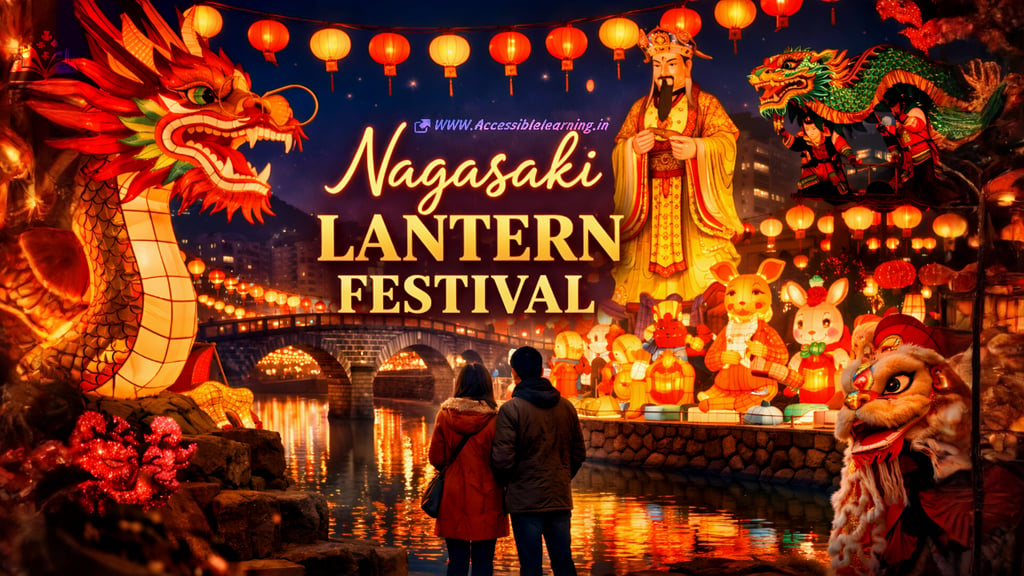
Every winter, Nagasaki transforms into a glowing dreamland of lanterns, color, and culture. Streets sparkle with thousands of Chinese-style lanterns, giant illuminated statues rise in public squares, and the whole city feels like an open-air festival of light. This event is known as the Nagasaki Lantern Festival (Nagasaki Lantern Matsuri), and it’s one of the most beautiful and culturally rich festivals in Japan.
If you love festivals, lights, photography, food, and cultural heritage, this is a must-see winter experience.
What Is the Nagasaki Lantern Festival?
The Nagasaki Lantern Festival is a major winter celebration held annually in Nagasaki City, Japan. It was created to celebrate the Chinese Lunar New Year, honoring the strong Chinese history and community that has been part of Nagasaki for centuries.
During the festival:
The city is decorated with thousands of lanterns
Attractions include Chinese performances, dance, music, and parades
Streets and parks feature huge illuminated objects inspired by Chinese myths and legends
Food stalls offer a mix of Chinese and Nagasaki-style street food
It’s a rare festival in Japan where Chinese tradition is celebrated on such a large scale in a Japanese city.
Why Nagasaki Hosts This Festival (Historical & Cultural Background)
Nagasaki is not like most Japanese cities historically. For centuries, it served as one of Japan’s most important international ports. Even during times when Japan limited foreign contact, Nagasaki remained a gateway for outside influence.
The key cultural reason:
Nagasaki has one of Japan’s most prominent historic Chinese communities, centered around:
Nagasaki Chinatown (Shinchi Chinatown)
ancient trade relationships between Japan and China
long-standing Chinese cultural influence in the city
The Lantern Festival grew out of early Lunar New Year celebrations done within the local Chinese community. Over time, it expanded into a massive city-wide festival, and now it’s one of Nagasaki’s signature tourism events.
When Does the Nagasaki Lantern Festival Take Place?
The festival is held during the Chinese New Year season, usually:
Late January to mid-February
For around two weeks (typically 15 days)
💡 Exact dates change every year because they follow the Lunar calendar.
Best time to visit
Evenings are the most magical:
Lanterns glow after sunset
Performances and nighttime light displays are active
Perfect for photos and romantic walks
Main Locations: Where the Festival Happens
Although lanterns are visible in many parts of Nagasaki, the festival focuses on key venues that create a full “lantern route.”
1) Nagasaki Chinatown (Shinchi Chinatown)
The heart of the celebration. Expect:
dense lantern streets
food stalls
live performances
crowds and energy
2) Minato Park
A major display area featuring:
giant lantern sculptures
main ceremonial decorations
Chinese cultural exhibitions
3) Central Park (Chuo Park)
Known for:
large themed lantern objects
family-friendly atmosphere
space to enjoy the lights comfortably
4) Meganebashi (Spectacles Bridge)
This historic stone bridge becomes incredibly photogenic during the festival.
reflections of lanterns on the river
classic Japanese scenery + Chinese lighting = unique fusion
Lantern Displays: What Makes Them Special?
The main attraction is the light itself.
What you’ll see:
standard hanging lanterns (rows across streets and markets)
giant illuminated statues (often 5–10 meters tall)
mythological designs
zodiac-themed lanterns for the Lunar year
dragon motifs and prosperity symbols
The meaning behind the lanterns
In Chinese tradition, lanterns symbolize:
hope and good fortune
unity and family
blessings for the new year
protection from negativity
That’s why the festival feels more meaningful than just decoration. Every light has cultural intention.

Festival Highlights (Must-See Events)
The festival isn’t only about lanterns. It’s also about movement, sound, and performance.
1) Dragon Dance (Ja Odori)
A crowd favorite:
energetic choreography
dramatic dragon costume weaving through crowds
drums, gongs, and fast rhythm
symbolizes strength and luck
2) Chinese Acrobatics & Performances
Expect:
balance acts
martial arts elements
traditional Chinese theater styles
3) Lion Dance (Shishi-mai style influences)
Symbolic and fun:
believed to scare away evil spirits
brings blessings for business and homes
4) Candle-lit Prayer Moments
Some areas host quieter cultural moments:
respectful, spiritual energy
a contrast to the busy Chinatown scene
What to Eat: Nagasaki Lantern Festival Food Guide
Food is part of the festival soul. Many stalls sell Chinese-inspired snacks and Nagasaki specialties.
Popular festival foods include:
Nikuman (steamed meat buns)
Kakuni Manju (soft braised pork inside a bun, a Nagasaki specialty)
Champon (Nagasaki-style noodle dish influenced by Chinese cuisine)
Sara Udon (crispy noodles with rich toppings)
Dango and sweet treats
warm street drinks perfect for winter nights
💡 Tip: Go hungry. The festival is a real street-food paradise.
What Makes This Festival Unique Compared to Other Japanese Festivals?
Many Japanese festivals are Shinto or seasonal harvest traditions. The Nagasaki Lantern Festival stands apart because it’s
✅ rooted in Lunar New Year culture
✅ heavily influenced by Chinese art + symbolism
✅ winter-based (rare for big outdoor festivals in Japan)
✅ visually intense with thousands of lights
✅ set in a city known for international history
It feels like Japan and China meeting in one glowing celebration.
Travel Tips: How to Enjoy the Festival Without Stress
Here are practical, human-friendly tips to make the experience smooth:
Go on weekdays if possible
Weekends become extremely crowded.
Dress warmly.
It’s winter in Japan:
layered clothing
gloves and warm socks
comfortable shoes for walking
Arrive before sunset
You’ll enjoy:
daytime atmosphere
transition lighting (best photo time)
early food before lines get crazy
Bring cash
Many stalls and small vendors may not accept cards.
Use public transportation
Parking is limited, and traffic increases heavily.
Photography Tips for the Lantern Festival
This festival is extremely photo-friendly.
Best photography spots:
Meganebashi Bridge for reflections
lantern streets inside Chinatown
wide shots in Minato Park
Quick camera tips:
Night mode helps but keep the phone steady
Avoid harsh flash (ruins mood lighting)
Capture lanterns with people for story + scale
Who Should Visit? (Human-Centered Experience)
This festival suits many traveler types:
Couples
romantic lantern walks
cozy winter atmosphere
beautiful night scenery
Families
safe, cheerful environment
lots of attractions and snacks
Culture travelers
strong historical meaning
unique cultural fusion not found elsewhere in Japan
Photographers & content creators
endless visual storytelling opportunities


Why the Nagasaki Lantern Festival Feels So Special
Beyond the lights, the festival has emotion. It’s about:
celebrating a new year with hope
honoring cultural roots
bringing people together in winter darkness
making a city glow with warmth and community energy
When you walk under lantern-lit streets with music in the background and warm food in your hands, it doesn’t feel like a simple event. It feels like stepping into a living story.
Is the Nagasaki Lantern Festival Worth It?
Yes, absolutely. The Nagasaki Lantern Festival is one of Japan’s most unforgettable winter festivals because it blends
breathtaking lantern illumination
cultural depth
food
performance
history
and a truly human, joyful atmosphere
If you want a Japan travel experience that feels different from the usual Kyoto-Tokyo path, Nagasaki in lantern season will surprise you in the best way.
FAQ's
Q: What is the Nagasaki Lantern Festival?
The Nagasaki Lantern Festival is a winter light celebration held in Nagasaki, Japan, to mark the Chinese Lunar New Year. It features thousands of colorful lanterns, giant illuminated displays, parades, cultural performances, and street food across areas like Nagasaki Chinatown and Minato Park.
Q: When is the Nagasaki Lantern Festival held?
The festival is held every year during the Lunar New Year period, usually from late January to mid-February. The exact dates change each year depending on the Lunar calendar.
Q: Where does the Nagasaki Lantern Festival take place?
The main festival locations include:
Nagasaki Shinchi Chinatown
Minato Park
Chuo Park (Central Park)
Meganebashi (Spectacles Bridge)
Lantern displays can also be seen throughout central Nagasaki.
Q: Why is the Nagasaki Lantern Festival celebrated in Japan?
Nagasaki has a strong historic connection with China due to centuries of trade and a long-established Chinese community. The festival began as a Lunar New Year celebration within the Chinese community and later expanded into a city-wide cultural event.
Q: Is the Nagasaki Lantern Festival free to attend?
Yes, the Nagasaki Lantern Festival is free to attend in most public areas. You can walk through the lantern-lit streets and parks without an entry ticket, though food stalls and some special activities may have costs.
Q: What are the main highlights of the Nagasaki Lantern Festival?
The biggest highlights include:
Massive illuminated lantern objects and sculptures
Dragon Dance performances
Traditional Chinese music and cultural shows
Food stalls serving Champon, Sara Udon, and Kakuni Manju
Nighttime lantern reflections near Meganebashi Bridge
Q: What time should I visit the Nagasaki Lantern Festival?
The best time is after sunset, when lanterns are fully lit and the city looks most magical. A great plan is to arrive around 4:30–5:00 PM, explore in daylight first, and stay for the night displays.
Q: How long should I spend at the Nagasaki Lantern Festival?
Most visitors spend 2 to 4 hours exploring the main areas (Chinatown + Minato Park + Central Park). If you want to eat street food and watch performances, plan for half a day.
Q: Is the Nagasaki Lantern Festival good for families?
Yes. The festival is very family-friendly, with open walking areas, bright lantern displays, food stalls, and cultural performances suitable for children and adults.
Q: What is the best food to try at the Nagasaki Lantern Festival?
Popular foods include:
Kakuni Manju (braised pork bun)
Champon (Nagasaki noodle soup)
Sara Udon (crispy noodle dish)
Steamed buns and festival snacks
These dishes reflect Nagasaki’s unique mix of Japanese and Chinese culinary influence.
Subscribe To Our Newsletter
All © Copyright reserved by Accessible-Learning Hub
| Terms & Conditions
Knowledge is power. Learn with Us. 📚

