

Muharram: The Conclusion of Muharram and the Harsh Reality Behind the First Sacred Month of the Islamic Year
Discover the true meaning of Muharram, the significance of Ashura, the tragedy of Karbala, and the enduring lessons of Imam Husayn's sacrifice against oppression and injustice.
CULTURE/TRADITIONEVENT/SPECIAL
Kim Shin | Ali
6/24/20265 min read
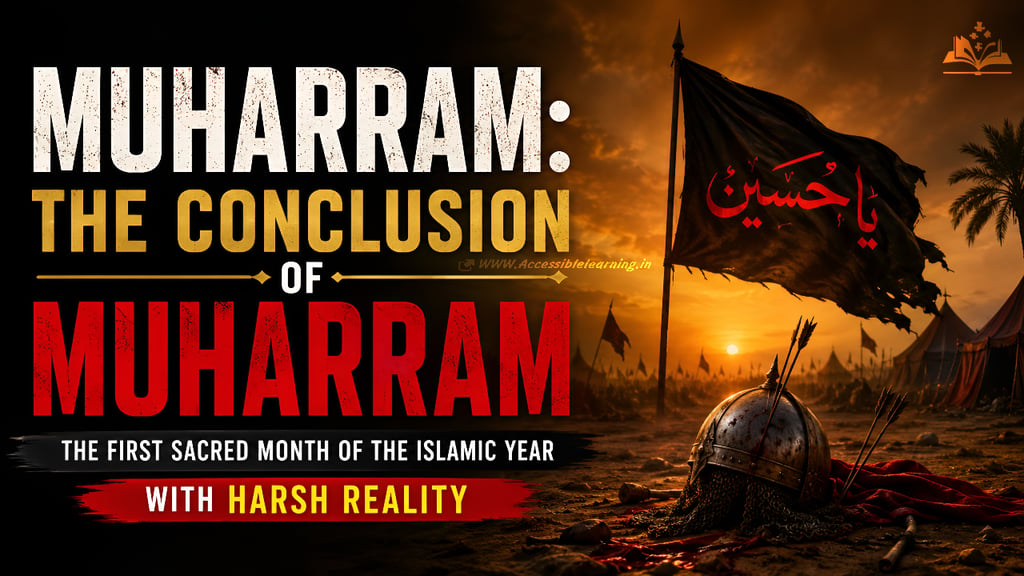
Muharram is often introduced as the first month of the Islamic calendar. While that statement is technically correct, it barely scratches the surface of what this month truly represents. For millions of Muslims around the world, Muharram is not a celebration of a new beginning. It is a period of reflection, sacrifice, mourning, and remembrance.
The conclusion of Muharram carries a powerful message that extends beyond religion. It forces people to confront uncomfortable truths about power, justice, loyalty, faith, and the price of standing against oppression. At the heart of Muharram lies one of history's most tragic and influential events: the martyrdom of Imam Husayn ibn Ali at Karbala in 680 CE.
Understanding the conclusion of Muharram means understanding why this event continues to shape religious thought, social movements, and moral discussions more than thirteen centuries later.
What Is Muharram?
Muharram is the first month of the Islamic lunar calendar and is considered one of the four sacred months in Islam. The word "Muharram" means "forbidden," referring to the prohibition of warfare and violence that traditionally applied during this period.
The four sacred months mentioned in Islamic tradition are the following:
Muharram
Rajab
Dhu al-Qadah
Dhu al-Hijjah
These months were regarded as times of peace, spiritual reflection, and restraint. For many Muslims, Muharram marks the beginning of a new Islamic year. However, unlike the festive atmosphere associated with many New Year celebrations around the world, Muharram is largely defined by remembrance and contemplation.
Why Muharram Holds Such Deep Significance
Muharram's significance comes primarily from the events that culminated on the 10th day of the month, known as Ashura. Ashura is the day when Imam Husayn, the grandson of Prophet Muhammad, was killed in the Battle of Karbala along with his family members and loyal companions.
This event is not remembered simply because a battle occurred. It is remembered because it symbolizes the eternal struggle between principle and power.
Imam Husayn faced overwhelming military forces but refused to pledge allegiance to a ruler he considered unjust. His decision ultimately led to his death, but it also transformed him into one of history's most enduring symbols of resistance against tyranny.
The Historical Background of Karbala
After the death of Muawiyah I, leadership of the Umayyad Caliphate passed to his son Yazid.
Many Muslims viewed this transition as controversial because it represented a move toward hereditary rule rather than leadership based on consultation and community consensus.
Imam Husayn rejected Yazid's authority. He believed that accepting Yazid would legitimize corruption, injustice, and political manipulation within the Muslim community.
As tensions escalated, Husayn and his followers traveled toward Kufa in present-day Iraq. Along the way, they were intercepted by Umayyad forces and forced to stop in the desert plains of Karbala.
There, they were surrounded and denied access to water. The situation worsened over several days until it culminated in a brutal confrontation on the 10th of Muharram.
The Battle of Karbala: A Tragedy That Changed History
The Battle of Karbala was not a conventional military conflict. On one side stood thousands of soldiers.
On the other stood Imam Husayn, his family members, and a small group of devoted companions.
Historical accounts describe severe thirst, exhaustion, and isolation among Husayn's camp.
Despite knowing the outcome was almost certain death, Husayn refused to surrender his principles.
One by one, his companions fell. Members of his family were killed. Eventually, Imam Husayn himself was martyred.
The battlefield victory belonged to the powerful. The moral victory belonged to the fallen. That distinction explains why Karbala remains relevant centuries later.

The Conclusion of Muharram
When people speak about the conclusion of Muharram, they often refer to the period following Ashura and the lessons carried forward from the month.
The conclusion is not about closing a chapter. It is about preserving a message. Throughout the final days of Muharram, communities reflect on themes that emerged from Karbala:
Justice Requires Sacrifice
Many people support justice until it becomes costly.
Karbala teaches that genuine commitment to truth often demands personal sacrifice.
Power Does Not Equal Legitimacy
History repeatedly demonstrates that authority and morality are not always aligned.
The events of Muharram remind believers that possessing power does not automatically make a ruler righteous.
Silence Can Enable Oppression
One of the harsh realities highlighted by Karbala is that injustice often survives because too many people remain silent.
The tragedy serves as a warning against passive acceptance of wrongdoing.
Principles Outlive Empires
The Umayyad rulers controlled armies, wealth, and political institutions.
Yet today, millions remember Husayn's sacrifice while few celebrate the political power that opposed him.
This reality demonstrates how moral courage can outlast worldly dominance.
The Harsh Reality Behind Muharram
Many discussions about Muharram focus exclusively on grief and remembrance. However, the deeper lesson is uncomfortable. The harsh reality is that injustice often wins in the short term.
Good people are not always rewarded immediately. Truth does not always triumph on the battlefield. The righteous can suffer. The corrupt can prosper. The innocent can become victims.
Karbala forces humanity to confront these realities without illusion. Yet it also offers hope.
The message of Muharram is that while injustice may achieve temporary victories, moral integrity leaves a legacy that can influence generations.
That is why the story continues to resonate across cultures, religions, and historical periods.
How Muharram Is Observed Around the World
Muharram is observed differently across various Muslim communities. Common practices include:
Religious Gatherings
Scholars and speakers recount the events of Karbala and discuss their moral lessons.
Acts of Charity
Many people donate food, water, and financial assistance to those in need as a tribute to the sacrifices made during Karbala.
Processions and Commemorations
Public gatherings and remembrance ceremonies are held in numerous countries.
Prayer and Reflection
Individuals spend time in worship, self-examination, and spiritual renewal.
Lessons Modern Society Can Learn from Muharram
Muharram is not merely an event from the seventh century. Its lessons remain relevant today.
Modern societies continue to struggle with:
Political corruption
Abuse of power
Social injustice
Religious intolerance
Economic inequality
The story of Karbala challenges individuals to ask difficult questions:
What values are worth defending?
When should people speak against injustice?
How much are principles worth when personal comfort is at risk?
Can truth survive without courage?
These questions remain as important today as they were in 680 CE.
The Enduring Legacy of Imam Husayn
Imam Husayn's influence extends far beyond religious boundaries. Political leaders, reformers, activists, and scholars have drawn inspiration from his stand at Karbala.
His legacy demonstrates that resistance to oppression is not measured solely by victory or defeat. It is measured by commitment to principle.
For many believers, Husayn represents the ultimate example of faith combined with courage. For others, he symbolizes universal human values such as dignity, justice, and integrity.
Muharram is far more than the first sacred month of the Islamic year. Its conclusion carries a profound message about sacrifice, truth, and resistance against injustice.
The tragedy of Karbala reveals a harsh reality that many would prefer to ignore: righteousness does not guarantee safety, and power does not guarantee moral authority.
Yet the enduring legacy of Imam Husayn proves another reality as well.
Empires rise and fall.
Rulers come and go.
But the courage to stand for what is right continues to inspire humanity long after the dust of history settles.
That is the true conclusion of Muharram and the reason its message remains alive more than thirteen centuries later.
Subscribe To Our Newsletter
All © Copyright reserved by Accessible-Learning Hub
| Terms & Conditions
Knowledge is power. Learn with Us. 📚

