

Moscow & St. Petersburg Christmas Markets: Russia’s Winter Magic Uncovered
Explore the magical Christmas markets of Moscow and St. Petersburg, where winter festivals, Orthodox traditions, historic landmarks, and cozy food stalls come together. This guide uncovers culture, food, shopping, and hidden details that make Russia’s winter markets a truly unforgettable experience.
EVENT/SPECIALTRAVEL LIFERUSSIACELEBRATION/FESTIVALS
Kim Shin
1/1/20265 min read
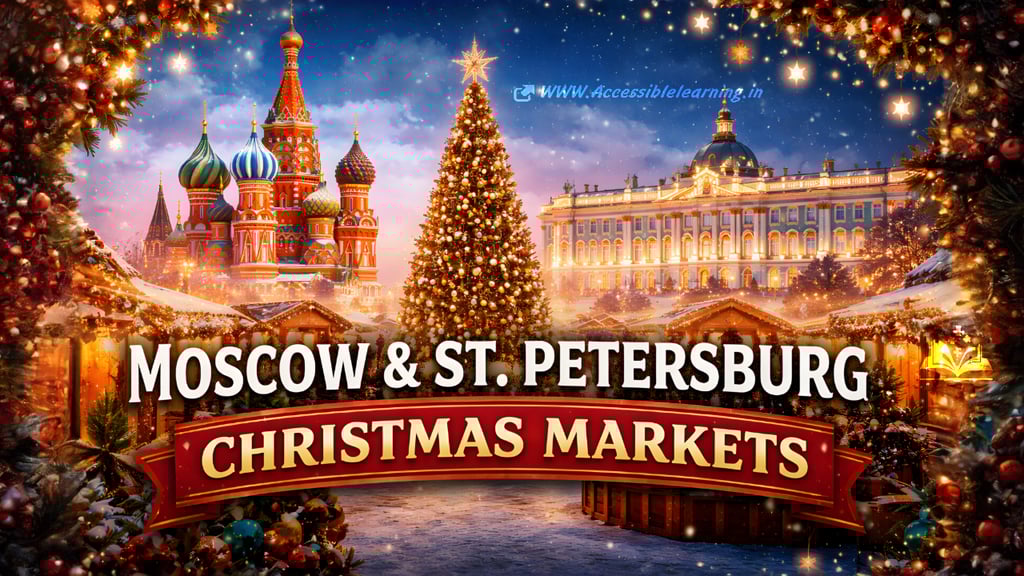
When winter settles over Russia, Moscow and St. Petersburg transform into cities straight out of a storybook. Snow-covered streets, glowing lights, folk music, and the scent of spiced tea create a festive atmosphere that feels both grand and intimate. Christmas markets in these two cities are not just places to shop. They are cultural experiences shaped by Russian history, Orthodox traditions, and local winter life.
This guide explores the most famous Christmas markets in Moscow and St. Petersburg, what makes them special, what to eat and buy, and how to enjoy them like a local.
Understanding Christmas in Russia
Before diving into the markets, it helps to know one key detail. In Russia, Christmas is traditionally celebrated on January 7, following the Orthodox calendar. However, Christmas markets usually open much earlier, starting in mid-December and running through New Year celebrations and often into January.
This means the markets combine New Year festivities, Orthodox Christmas traditions, and winter folk culture into one long festive season.
Moscow Christmas Markets: Grand, Colorful, and Lively
Moscow’s Christmas markets are bold and festive, matching the city’s scale and energy. The capital hosts multiple winter markets, each with its own theme and mood.
Red Square Christmas Market
Red Square is the heart of Moscow’s winter celebrations. With the Kremlin on one side and St. Basil’s Cathedral on the other, the Christmas market here feels iconic.
What makes it special:
Traditional wooden stalls decorated with lights and garlands
A large skating rink nearby
Live folk performances and holiday music
Festive decorations inspired by Russian fairy tales
What to buy:
Matryoshka dolls and hand-painted souvenirs
Warm wool scarves, hats, and gloves
Russian-themed ornaments and keepsakes
What to eat:
Hot blini with honey, sour cream, or caviar
Roasted chestnuts and baked apples
Mulled wine and non-alcoholic spiced berry drinks
This market is especially popular in the evenings, when the lights reflect off the snow and the atmosphere becomes magical.
Moscow Journey to Christmas Festival
This city-wide festival turns Moscow into one large Christmas market. Locations are spread across central streets and squares.
Key highlights:
Each market area follows a regional or cultural theme
Workshops for children and families
Ice sculptures and interactive art installations
Street theater and seasonal performances
This festival is ideal for travelers who want to explore different neighborhoods while enjoying festive treats and decorations.
St. Petersburg Christmas Markets: Elegant and Romantic
St. Petersburg’s Christmas markets feel more intimate and artistic, reflecting the city’s classical architecture and cultural heritage.
Palace Square Christmas Market
Set in front of the Winter Palace, this market blends imperial elegance with holiday charm.
Why it stands out:
European-style wooden chalets
Classical music performances and choirs
Soft lighting that complements historic buildings
Popular items:
Handmade ceramics and artisan crafts
Delicate Christmas ornaments
Local art and vintage-style souvenirs
The atmosphere here is calm and romantic, making it perfect for evening strolls.
Malaya Konyushennaya Street Market
This pedestrian street near Nevsky Prospekt hosts one of the coziest markets in the city.
What visitors love:
Warm, neighborhood-style vibe
Small food stalls serving comfort dishes
Independent craft sellers and designers
This market is ideal for those who prefer quieter spaces and unique handmade goods over large crowds.

Traditional Food and Winter Drinks to Try
Food is a big part of the Christmas market experience in both cities. Russian winter cuisine is hearty and warming.
Must-try dishes:
Blini filled with meat, mushrooms, or sweet jam
Shashlik (grilled meat skewers)
Pirozhki with cabbage, potatoes, or apples
Popular drinks:
Sbiten, a traditional honey-based hot drink
Hot tea with herbs, lemon, or berries
Mulled wine, adapted to local tastes
These foods are affordable, filling, and perfect for cold evenings.
Shopping at Russian Christmas Markets
Shopping at Moscow and St. Petersburg Christmas markets is about finding meaningful, locally inspired items.
Best souvenir ideas:
Hand-carved wooden toys
Traditional Russian shawls
Christmas ornaments featuring folk patterns
Artisan chocolates and honey products
Many items are handmade, making them thoughtful gifts or keepsakes from your winter trip.
Practical Tips for Visitors
Dress warmly: Temperatures can drop well below freezing, especially at night
Cash helps: While many stalls accept cards, small vendors may prefer cash
Visit on weekdays: Markets are less crowded and more relaxed
Evenings are best: Lights, music, and performances feel more vibrant after sunset
Planning around these tips can make the experience more comfortable and enjoyable.
Why These Markets Are Worth Visiting
Moscow and St. Petersburg Christmas markets are not replicas of Western European markets. They reflect Russian identity, blending Orthodox traditions, winter resilience, and a love for celebration. Whether you are skating near the Kremlin or sipping hot tea beside a palace, the experience feels authentic and deeply cultural.
For travelers seeking a festive winter destination with history, atmosphere, and warmth in the cold, these markets offer something truly special.
Moscow and St. Petersburg Christmas markets turn winter into a celebration rather than a challenge. They invite visitors to slow down, enjoy simple pleasures, and connect with Russian traditions in a setting that feels both grand and welcoming. If you are planning a winter trip to Russia, these markets are not just highlights. They are the soul of the season.
Interesting Facts
Christmas markets in Russia are officially winter markets
Many Russian markets avoid using the word “Christmas” in their local naming because the season blends New Year, Orthodox Christmas, and winter festivals into one long celebration.New Year is bigger than Christmas in Russia
For most Russians, New Year’s Eve is the most important holiday, which is why markets stay open late into the night on December 31 and feel more festive than on December 25.Ded Moroz replaces Santa Claus
Instead of Santa, Russian markets celebrate Ded Moroz, or Grandfather Frost, often accompanied by his granddaughter Snegurochka. They appear in parades, children’s zones, and stage performances.Markets operate in extreme cold without slowing down
Even at temperatures below minus 15°C, stalls remain open, performances continue, and visitors stay for hours thanks to hot drinks, fire heaters, and layered clothing.St. Petersburg markets are quieter by design
City planners intentionally limit loud music near historical and cultural landmarks to preserve the city’s refined atmosphere during winter festivals.Many market recipes are centuries old
Traditional drinks like sbiten and baked goods sold at markets are based on recipes that existed long before modern Christmas traditions reached Russia.Ice skating rinks are treated as cultural spaces
In Moscow, skating rinks near markets often host ballet-inspired performances and themed skating nights rather than simple recreational skating.Some decorations are handmade by local schools
In both cities, students and art schools contribute ornaments and installations, making the decorations community-driven rather than fully commercial.Markets double as cultural education spaces
Informational boards and guided tours explain folk traditions, regional crafts, and Orthodox customs to both tourists and locals.Alcohol rules differ from Western markets
Mulled wine is available, but it is often milder, and non-alcoholic spiced drinks are more popular due to the family-focused market culture.January feels more traditional than December
After tourists leave, early January markets feel slower, more authentic, and closer to how locals celebrate Orthodox Christmas.Snow is considered part of the design
Unlike many European cities that clear snow aggressively, Russian markets often allow snow to remain, enhancing the atmosphere rather than fighting it.Folk costumes vary by region, not by era
Performers wear outfits representing specific Russian regions, helping preserve local identities rather than presenting a generic “old Russia” look.Market lighting is designed to reduce winter fatigue
Warm-toned lights are used deliberately to counter seasonal darkness and improve mood during long winter nights.Some markets continue even after Christmas ends
Winter markets often stay open until mid or late January, blending into Maslenitsa preparations and other seasonal events.
Subscribe to Frontier Intelligence
All © Copyright reserved by Accessible-Learning Hub
| Terms & Conditions
Accessible Learning Hub — Actionable clarity for high-agency minds.
Weekly breakdowns on AI breakthroughs, capital flow, and human performance systems. Zero fluff.