

Miyako Odori (Kyoto): History, Culture, and the Famous Geiko Spring Dance
Discover the beauty of Miyako Odori in Kyoto, one of Japan’s most elegant spring traditions. Learn about its history, cultural significance, geiko and maiko performances, and why this iconic dance event has captivated audiences for over 150 years.
CULTURE/TRADITIONEVENT/SPECIALJAPANCELEBRATION/FESTIVALS
Kim Shin
3/20/20266 min read
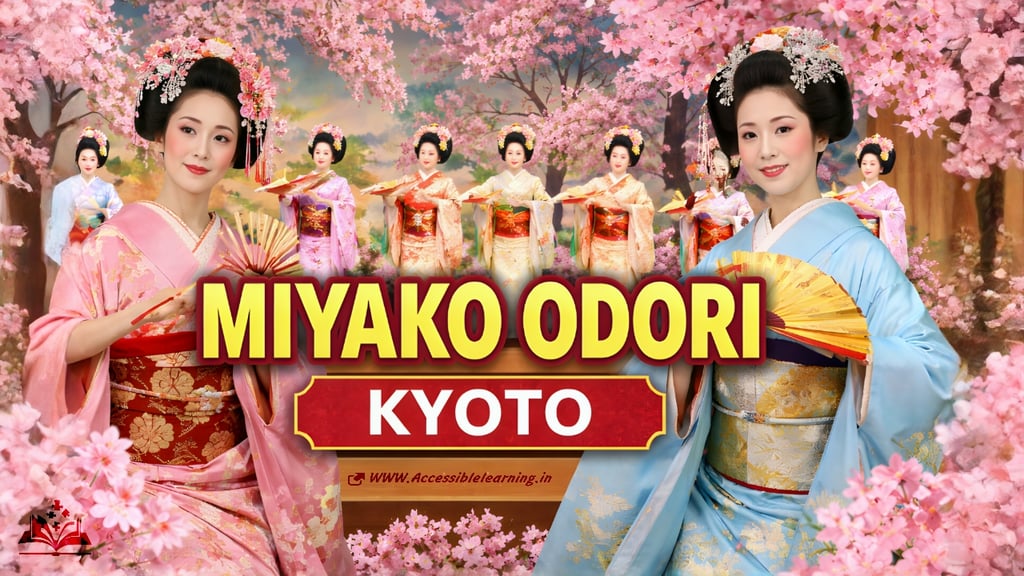
Every April, Kyoto welcomes spring with one of its most beautiful and historic cultural events: Miyako Odori. Known as the “Dance of the Capital,” this traditional performance showcases the refined artistry of Kyoto’s geiko and maiko, combining classical Japanese dance, seasonal storytelling, and stunning costumes.
For more than 150 years, Miyako Odori has remained one of Kyoto’s most iconic cultural performances. Visitors from around the world come to experience this graceful spectacle during the city’s famous cherry blossom season.
What Is Miyako Odori?
Miyako Odori is an annual traditional dance performance held in the historic Gion Kobu district of Kyoto. The event is performed by geiko (Kyoto’s geisha) and their apprentices, known as maiko. The performances take place at the historic Gion Kobu Kaburenjo Theater, a theater built specifically for geiko dance performances.
The show celebrates Kyoto’s seasonal beauty and cultural traditions through a series of choreographed dance scenes, each accompanied by classical music and elaborate stage design. The name “Miyako Odori” reflects Kyoto’s historical role as Japan’s imperial capital for over a thousand years.
Historical Origins of Miyako Odori
Miyako Odori was first performed in 1872 during the Meiji era. After the imperial capital moved from Kyoto to Tokyo in 1869, the city faced a decline in political importance. To revive Kyoto’s cultural identity and attract visitors, local leaders organized the Kyoto Exposition.
The geiko community of Gion created Miyako Odori as a cultural showcase for the exposition. The performance was so successful that it quickly became an annual event. Since then, the tradition has continued for more than a century, becoming one of Kyoto’s most celebrated cultural performances.
Geiko and Maiko: The Artists Behind the Performance
The performers in Miyako Odori come from Kyoto’s renowned Gion District, one of Japan’s most famous geisha districts.
Geiko
Geiko are professional entertainers who specialize in traditional arts such as:
Classical dance
Music and singing
Playing instruments like the shamisen
Hosting formal cultural gatherings
They undergo years of training to perfect their skills.
Maiko
Maiko are apprentice geiko, typically young women in training. Their appearance is distinctive, featuring elaborate hairstyles, ornate hair ornaments, and brightly colored kimono.
Performing in Miyako Odori is an important milestone in a maiko’s training because it helps develop stage presence, dance precision, and teamwork.

Structure of the Miyako Odori Performance
A typical Miyako Odori performance lasts about 50–60 minutes and is divided into several dance scenes. Each scene tells a visual story through choreography and stage design.
Common elements in the performance
Seasonal themes: Many dances represent Japanese seasons, including spring blossoms, autumn leaves, or winter landscapes.
Group choreography: Large ensembles of dancers perform synchronized movements, creating visually striking patterns across the stage.
Traditional music: Live musicians accompany the performance using instruments such as:
Shamisen
Japanese flute (fue)
Taiko drums
The grand finale: The final act often features dozens of dancers performing together in a visually impressive closing dance.
Costumes and Stage Aesthetics
One of the most memorable aspects of Miyako Odori is the extraordinary visual presentation. Every dancer wears a handcrafted silk kimono, carefully designed to reflect seasonal themes and artistic symbolism.
Common costume elements include:
Floral patterns representing cherry blossoms
Traditional Kyoto textile designs
Elegant silk obi belts
Decorative hair ornaments (kanzashi)
The stage itself often features elaborate backdrops inspired by famous Japanese landscapes, temples, and gardens. These artistic details create a visually immersive cultural experience.
When and Where Miyako Odori Takes Place
Miyako Odori is held every year in April at the Gion Kobu Kaburenjo Theater.
Event schedule
Season: April (cherry blossom season)
Duration: Around one month
Daily performances: Several shows per day
Show length: Approximately one hour
Visitors can choose between standard theater tickets or special packages that include a traditional tea ceremony experience before the show.
Cultural Importance of Miyako Odori
Miyako Odori plays a vital role in preserving Kyoto’s traditional performing arts. The event helps maintain classical dance traditions and provides a platform for geiko and maiko to showcase their skills to a global audience.
It also contributes significantly to Kyoto’s cultural tourism, attracting visitors interested in Japanese heritage, performing arts, and seasonal festivals. For Kyoto residents, Miyako Odori is also a symbolic celebration of spring.
Interesting Facts About Miyako Odori
Here are some fascinating details that many visitors may not know:
1. One of Japan’s oldest continuous dance performances
Miyako Odori has been performed for more than 150 years, making it one of the longest-running traditional dance events in Japan.
2. The performance theme changes every year
Each year introduces a new artistic concept, often inspired by historical events, poetry, or famous Japanese landscapes.
3. Dozens of performers appear on stage
Some performances include over 50 dancers participating in large group choreography.
4. The choreography follows classical Japanese dance traditions
The dance style used is based on traditional Japanese classical dance (Nihon Buyo).
5. It coincides with Kyoto’s cherry blossom season
The event is carefully scheduled during peak sakura season, making it a perfect cultural experience for spring visitors.
6. The tea ceremony experience is highly popular
Many tickets include a short tea ceremony where guests enjoy matcha and traditional sweets before the performance.
7. The theater itself is historically significant
The Gion Kobu Kaburenjo Theater has long served as a training and performance venue for Kyoto’s geiko community.


Travel Tips for Attending Miyako Odori
If you plan to visit Kyoto during this event, keep these helpful tips in mind:
Reserve tickets early
Because Miyako Odori is very popular, tickets often sell out quickly.Visit nearby historic streets
The surrounding Gion area features traditional architecture, tea houses, and cultural landmarks.Arrive early for the tea ceremony experience
This adds an extra cultural dimension to the event.Combine the visit with cherry blossom viewing
Nearby locations offer excellent sakura viewing spots during the same season.
Miyako Odori is more than a stage performance. It represents Kyoto’s deep connection to tradition, seasonal beauty, and refined artistic expression.
Through graceful choreography, vibrant costumes, and centuries-old cultural practices, the event offers a rare glimpse into the world of Kyoto’s geiko and maiko.
For travelers, historians, and cultural enthusiasts alike, Miyako Odori remains one of the most unforgettable cultural experiences in Japan.
FAQ's
Q: What is Miyako Odori?
Miyako Odori, meaning “Dance of the Capital,” is a traditional annual dance performance held in Kyoto. It features elegant classical dances performed by geiko (Kyoto’s geisha) and their apprentices, maiko. The event celebrates Japanese seasonal beauty, culture, and classical performing arts.
Q: Where is Miyako Odori held?
Miyako Odori takes place at the historic Gion Kobu Kaburenjo Theater, located in Kyoto’s famous Gion District. The theater has long been the primary performance venue for the geiko community of Gion Kobu.
Q: When does Miyako Odori take place?
Miyako Odori is held every year during April, which coincides with Kyoto’s cherry blossom season. The performances typically run for about a month, with several shows scheduled daily.
Q: Who performs in the Miyako Odori?
The performers are geiko (professional geisha in Kyoto) and maiko (apprentice geisha). They are highly trained in traditional Japanese arts such as classical dance, music, and cultural performance.
Q: How long does a Miyako Odori performance last?
A typical Miyako Odori show lasts around 50 to 60 minutes. The performance includes several dance scenes that tell seasonal or historical stories through choreography, music, and stage design.
Q: What type of dance is performed in Miyako Odori?
The dances are based on Nihon Buyo, a classical Japanese dance style that combines elements of kabuki theater movements, storytelling, and refined gestures.
Q: Can tourists attend Miyako Odori?
Yes, Miyako Odori is open to the public and attracts many international visitors. Tickets can be purchased online or at the theater. Some ticket packages include a traditional Japanese tea ceremony experience before the performance.
Q: Why is Miyako Odori important to Kyoto culture?
Miyako Odori plays a major role in preserving Kyoto’s traditional performing arts. It supports the geiko and maiko communities while promoting Kyoto’s cultural heritage to visitors from around the world.
Q: How far back does Miyako Odori history go?
The first Miyako Odori performance was held in 1872 during the Meiji era. It was originally created to showcase Kyoto’s culture and attract visitors after the imperial capital moved to Tokyo.
Q: Is photography allowed during the performance?
Photography is usually not allowed inside the theater during the performance in order to preserve the traditional atmosphere and respect the performers. However, photos may be permitted in certain designated areas outside the venue.
Q: What makes Miyako Odori unique compared to other Japanese performances?
Miyako Odori is unique because it features authentic performances by Kyoto’s geiko and maiko, elaborate seasonal stage designs, and centuries-old dance traditions. It also takes place during Kyoto’s famous cherry blossom season, making it one of Japan’s most elegant spring cultural events.
Subscribe to Frontier Intelligence
All © Copyright reserved by Accessible-Learning Hub
| Terms & Conditions
Accessible Learning Hub — Actionable clarity for high-agency minds.
Weekly breakdowns on AI breakthroughs, capital flow, and human performance systems. Zero fluff.