

Milano–Cortina Winter Olympics 2026: Complete Guide to Italy’s Winter Games
Discover Milano–Cortina Winter Olympics 2026: host cities, venues, sports list, schedule, travel highlights, sustainability plans, and key FAQs.
CULTURE/TRADITIONEVENT/SPECIALTRAVEL LIFECELEBRATION/FESTIVALS
Kim Shin
1/27/20266 min read

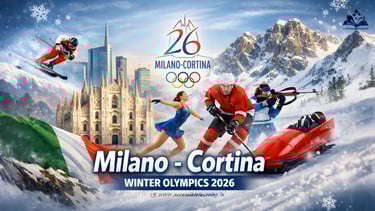
The Milano–Cortina Winter Olympics 2026 (officially the XXV Olympic Winter Games) will be hosted in Italy and held in February 2026. These Games are expected to be one of the most visually stunning and strategically planned Winter Olympics ever because they combine two powerful identities: the modern international city life of Milan (Milano) and the iconic alpine world of Cortina d’Ampezzo, surrounded by the Dolomites.
Unlike many previous Olympics that depended on building large numbers of new venues, Milano–Cortina 2026 is planned as a venue-reuse and upgrade focused Olympics, using Italy’s existing winter sports infrastructure across Northern Italy. This creates a strong balance of excitement, sustainability, and legacy, while still delivering a world-class Olympic spectacle.
Quick Overview (Milano–Cortina 2026 at a Glance)
Event: Winter Olympic Games
Official Title: XXV Olympic Winter Games
Host Country: Italy
Main Host Locations: Milan (Milano) & Cortina d’Ampezzo
Time: February 2026
Hosting Style: Multi-city / multi-region “cluster model”
Main Strengths: Alpine scenery + modern city infrastructure + existing venues
Key Themes: Sustainability, legacy, accessibility, tourism development
What is the Milano–Cortina Winter Olympics?
The Milano–Cortina Winter Olympics is the global winter sports event under the International Olympic Committee (IOC), where top athletes from around the world compete for Olympic medals in snow and ice sports. It includes:
Ice competitions in arenas (skating, hockey, curling)
Snow competitions in mountains (skiing, snowboarding)
Sliding competitions on tracks (bobsleigh, luge, skeleton)
Milano–Cortina 2026 represents a new era of Olympics designed around realistic planning, strong transport networks, and long-term usefulness of venues after the Games end.
Why Milano–Cortina 2026 is Unique
Milano–Cortina is not just special because it’s in Italy. It’s unique because of how it is structured and what it represents.
1) Two Worlds in One Olympics: City + Mountains
Most Winter Games feel like a mountain-only event. Milano–Cortina will feel like two festivals happening together:
Milan: ceremonies, media center, major arenas, entertainment, visitors
Cortina + Alps: iconic slopes, mountain venues, winter sport heritage
This creates a new kind of Winter Olympics experience for spectators and athletes.
2) A Multi-City Olympics Model
Instead of a single host city, events are distributed across Northern Italy based on specialization:
Milan for indoor ice sports
Cortina for alpine disciplines
Valtellina for speed skiing and freestyle
Trentino for Nordic disciplines
South Tyrol for biathlon
This “cluster model” is becoming one of the strongest options for future Olympics.
3) Designed to Reduce Waste
Milano–Cortina 2026 is built around:
existing venues
temporary structures where needed
renovations instead of heavy construction
This approach supports sustainability and reduces the risk of abandoned Olympic buildings.
When Will the Games Take Place?
The Olympics will be held in February 2026, which is one of the best months for winter sport competition in Italy’s Alpine zones because it generally provides:
consistent snow coverage
strong cold-weather stability (important for ice surfaces and tracks)
peak winter tourism and global attention

Host Regions and Event Clusters (Where Everything Happens)
One of the most important topics for visitors is: where will each sport take place?
Milano–Cortina uses a cluster-based system.
1) Milan (Milano) Cluster
Milan will be a core hub for:
major ceremonies and Olympic atmosphere
international media operations
large indoor sports events
visitor transport and accommodation
This cluster will host the city-style Olympics vibe: crowds, events, celebrations, fan zones.
2) Cortina d’Ampezzo Cluster (Dolomites)
Cortina is the iconic alpine heart of the Games. It is known worldwide for:
premium ski culture
dramatic Dolomite peaks
historic Olympic value
This cluster is expected to host major outdoor competitions, especially alpine-based sports.
3) Valtellina Cluster (Bormio & Livigno)
This region is famous for skiing and freestyle culture.
Bormio: known for extreme downhill routes and high-speed skiing
Livigno: known for freestyle skiing and snowboard energy
If you love “action sports,” this cluster will likely be one of the most exciting.
4) Val di Fiemme (Trentino) Cluster
A major Nordic sports location expected to host:
cross-country skiing
ski jumping
Nordic combined disciplines
This area is deeply connected to winter competition tradition.
5) Anterselva/Antholz (South Tyrol) Cluster
Anterselva is internationally respected for biathlon hosting. It combines:
endurance skiing
precision rifle shooting
intense mental pressure
This will likely produce some of the most dramatic Olympic moments.
Full List of Olympic Sports Expected at Milano–Cortina 2026
The Games are expected to include all standard Winter Olympics sports across three categories:
A) Ice Sports
Typically held in indoor arenas.
Ice Hockey
Figure Skating
Speed Skating
Short Track Speed Skating
Curling
Why these are important:
They attract massive global audiences and are central to Olympic storytelling, rivalries, and medal drama.
B) Snow & Mountain Sports
Held mainly in alpine clusters.
Alpine Skiing (Downhill, Super-G, Slalom, Giant Slalom)
Cross-Country Skiing
Ski Jumping
Nordic Combined
Freestyle Skiing (Moguls, Aerials, Slopestyle, Halfpipe, Big Air, Ski Cross)
Snowboarding (Halfpipe, Big Air, Slopestyle, Snowboard Cross)
What makes these exciting:
Extreme speed, danger, technical skill, and breathtaking scenery.
C) Sliding Sports (High-Speed Track Events)
Held on specialized ice tracks.
Bobsleigh
Luge
Skeleton
Why spectators love these:
They are among the fastest Olympic events, where one small mistake can change everything.
Cortina’s Olympic Legacy: Why History Matters
Cortina d’Ampezzo hosted the 1956 Winter Olympics, making it one of the classic Olympic locations. This provides major advantages:
Olympic tradition and identity
strong event-hosting experience
established tourism and resort structure
world-class alpine training culture
Milano–Cortina 2026 is not introducing Cortina to the world — it is bringing Cortina back to the center of global winter sport.
What the Fan Experience Will Feel Like
Milano–Cortina is expected to deliver a very different type of Olympics experience compared to remote mountain-only Games.
In Milan
You can expect:
strong Olympic nightlife
cultural events, concerts, celebrations
fan zones and sponsor events
easy public transport connections
In Alpine Regions
You can expect:
snow towns and ski resort vibes
mountain festivals and winter markets
scenic cable cars and alpine viewpoints
local Italian food and winter cuisine
This is a Games where fans can enjoy:
sports + travel + culture, all in one.

Technology and Modern Olympic Broadcasting
Milano–Cortina is expected to push Olympic broadcasting forward with:
higher resolution streaming and TV coverage
wide drone-like aerial shots in mountains
immersive camera angles in sliding events
improved live data overlays (timing, speed, split performance)
Because Italy’s landscapes are naturally cinematic, the Games will likely produce some of the most “viral” Olympic visuals for social media.
Travel and Tourism Impact (Why It Matters Beyond Sports)
Milano–Cortina 2026 will boost winter tourism in Italy for years. Key impacts:
infrastructure upgrades in transport routes
increase in global visitors to ski areas
improvement in hotel and service industry standards
long-term promotion of Italy as a winter sports destination (not only summer Europe)
This Olympics will strengthen the identity of Northern Italy as:
a premium winter sports and mountain tourism region.
Sustainability, Environment & Legacy: The Modern Olympic Standard
Modern Olympics are judged by what happens after the closing ceremony. Milano–Cortina’s planning focuses on:
Sustainability goals
reduced carbon footprint by reusing venues
minimized new construction
mountain ecosystem care and winter environment planning
better long-term infrastructure for locals
Legacy goals
stronger winter sports facilities for athletes
improved transport for tourism and residents
long-term business opportunities
continued international sporting events hosted in these regions
Key Reasons Milano–Cortina 2026 Will Be Memorable
Milano–Cortina 2026 will likely be remembered for:
Dolomites scenery and cinematic landscapes
unique city + alpine Olympics blend
strong focus on sustainability and venue reuse
revival of Cortina’s Olympic legacy
high-energy sports clusters like Livigno + Bormio
Italian cultural experience integrated into the Games
The Milano–Cortina Winter Olympics 2026 is set to become one of the most important Winter Olympics in modern history. Italy will host the Games across world-famous locations, blending the global city energy of Milan with the legendary alpine environment of Cortina d’Ampezzo and surrounding mountain regions. With a strong focus on sustainability, legacy planning, and spectacular outdoor sports, Milano–Cortina 2026 will deliver not only elite competition, but also an unforgettable global celebration of winter sports.


FAQ's
Q: What is the Milano–Cortina Winter Olympics?
The Milano–Cortina Winter Olympics is the 2026 Winter Olympic Games hosted by Italy. It will feature top global athletes competing in winter sports such as skiing, snowboarding, ice hockey, figure skating, speed skating, curling, and sliding sports like bobsleigh and luge.
Q: When will the Milano–Cortina Winter Olympics take place?
The Games will take place in February 2026. This period is chosen because it offers strong winter conditions, reliable snow in alpine regions, and ideal scheduling for global broadcasting.
Q: Why is it called “Milano–Cortina”?
It is called Milano–Cortina because the Olympics will be hosted across two major centers:
Milan (Milano): main city hub and indoor events
Cortina d’Ampezzo: alpine hub for snow sports
The name highlights the Games’ unique mix of city energy + mountain tradition.
Q: Where will the events be held?
Events will be hosted in multiple locations across Northern Italy, including:
Milan (Milano)
Cortina d’Ampezzo (Dolomites)
Bormio and Livigno (Valtellina)
Val di Fiemme (Trentino)
Anterselva/Antholz (South Tyrol)
This “cluster model” helps Italy use existing winter sport venues.
Q: What sports will be included in Milano–Cortina 2026?
Milano–Cortina 2026 will include major Winter Olympic disciplines such as:
Ice Sports
Ice hockey
Figure skating
Speed skating
Short track speed skating
Curling
Snow Sports
Alpine skiing
Cross-country skiing
Ski jumping
Nordic combined
Freestyle skiing
Snowboarding
Biathlon
Sliding Sports
Bobsleigh
Luge
Skeleton
Q: Will Cortina host the Olympics for the first time?
No. Cortina d’Ampezzo previously hosted the 1956 Winter Olympics, making it one of the historic Olympic towns. Milano–Cortina 2026 will be Cortina’s return to the Olympic spotlight.
Q: What makes Milano–Cortina 2026 different from past Winter Olympics?
Milano–Cortina stands out because:
It’s a multi-city Olympics (not just one host city)
It focuses on venue reuse and upgrades (less unnecessary construction)
It combines urban Olympics life (Milan) with Alpine sports culture (Cortina & Alps)
It offers some of the most scenic Olympic landscapes in the world (Dolomites and Italian Alps)
Q: Is Milano–Cortina 2026 designed to be sustainable?
Yes. A major goal of Milano–Cortina 2026 is to reduce long-term environmental impact by:
using existing venues where possible
improving infrastructure that will remain useful after the Games
limiting new construction
Q: What is the main benefit of hosting the Games across multiple regions?
The regional hosting model helps:
reduce overbuilding
use the best natural locations for each sport
spread tourism and economic impact across different communities
make venue legacy stronger (facilities remain in use)
Q: Why are Milano–Cortina 2026 Olympics important for Italy?
These Olympics will:
boost global tourism in Northern Italy
improve transport and infrastructure
strengthen Italy’s image as a premium winter sports destination
support long-term sport development in the Alps
Subscribe To Our Newsletter
All © Copyright reserved by Accessible-Learning Hub
| Terms & Conditions
Knowledge is power. Learn with Us. 📚

