

Mardi Gras (Fat Tuesday): Meaning, History, Traditions & Modern Celebrations
Mardi Gras (Fat Tuesday) is more than just parades and parties; it’s a centuries-old tradition rooted in history, culture, food, and faith. Discover the meaning of Mardi Gras, its origins, key symbols like masks and beads, famous New Orleans celebrations, global Carnival traditions, and how people celebrate it today.
EVENT/SPECIALTRAVEL LIFESTORY/ENTERTAINMENTCELEBRATION/FESTIVALS
Kim Shin
2/8/20266 min read
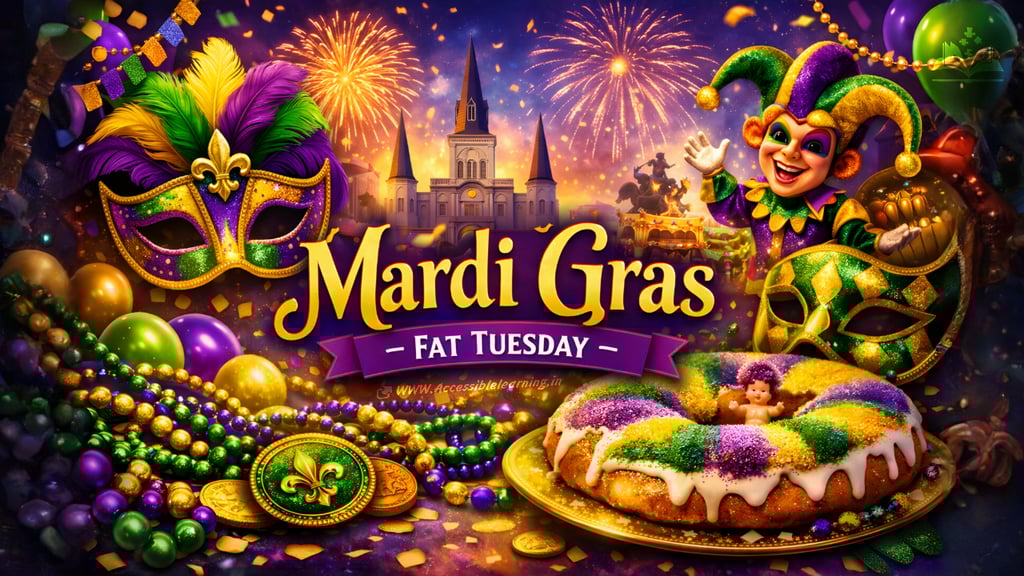
Mardi Gras, also known as Fat Tuesday, is one of the world’s most colorful celebrations. It’s famous for parades, masks, music, and endless energy, especially in places like New Orleans, but its roots go far deeper than party culture. Mardi Gras is connected to history, faith, food, seasonal change, and community identity.
In this guide, you’ll get a complete, human-centered understanding of what Mardi Gras really means, where it started, why it happens, and how people celebrate it today across the world.
What Is Mardi Gras (Fat Tuesday)?
Mardi Gras is French for “Fat Tuesday.” It is the final day before Ash Wednesday, which begins the Christian season of Lent. Lent traditionally lasts 40 days (not counting Sundays) and is a period of fasting, reflection, and simpler living.
So Mardi Gras became the big “last celebration” before Lent begins.
Why is it called “Fat Tuesday”?
Historically, people used Mardi Gras to:
Eat rich foods like butter, meat, sugar, and cheese
Celebrate with music, dancing, and gatherings
Prepare emotionally and physically for a season of restraint
Think of it as a cultural “grand finale” to winter indulgence.
When Is Mardi Gras Celebrated?
Mardi Gras doesn’t have a fixed date. It changes every year because it depends on Easter.
Mardi Gras always falls on the Tuesday before Ash Wednesday
Ash Wednesday is 46 days before Easter
Mardi Gras season typically starts after Twelfth Night (January 6) and continues until Fat Tuesday
So Mardi Gras is not just one day; in many places it’s an entire season of events and parades.
The Deeper Meaning of Mardi Gras
Many people know Mardi Gras as a party. But its deeper meaning includes:
1) A cultural transition point
Mardi Gras marks the change from:
winter → spring
excess → simplicity
celebration → reflection
2) A social equalizer
Masks and costumes have always played a role in Mardi Gras culture. They allow people to step outside normal identity and hierarchy. Historically, that meant:
social roles could blur
ordinary citizens could perform, mock authority, and express freedom
3) Community identity
In cities like New Orleans, Mardi Gras is community-built:
costumes are handcrafted
parades are prepared for months
neighborhoods participate deeply
This is why locals often say Mardi Gras is not something you watch. It’s something you belong to.
Origins and History of Mardi Gras
Mardi Gras has ancient roots that blend pagan, Roman, and Christian traditions.
Ancient beginnings (pre-Christian)
Many historians connect Mardi Gras to ancient festivals like:
Roman celebrations of Saturnalia (feasts and role reversal)
spring fertility festivals
These events often included:
masks
public celebration
food indulgence
“one last wild day” before seasonal discipline
Christian adoption
As Christianity spread through Europe, local festivals got reshaped into religious calendars. Mardi Gras became connected to:
the day before Lent
preparing the home and body for a holy season
Mardi Gras in France
France developed strong Mardi Gras traditions:
masquerade balls
feasts
music
street celebrations
Then those traditions traveled across the Atlantic.
Mardi Gras in New Orleans: How It Became the World’s Most Famous
Mardi Gras in the United States is most strongly tied to Louisiana, especially New Orleans.
Early arrival in America
French explorers brought Mardi Gras traditions to North America in the late 1600s. By the early 1700s, Mardi Gras was being celebrated in Louisiana settlements.
The birth of organized parades
Mardi Gras evolved into a structured cultural event:
“Krewes” (social organizations) began organizing parades
elaborate floats became a tradition.
themed costumes became a major feature
Over time, New Orleans transformed Mardi Gras into a major identity marker of the city.
What Are Krewes in Mardi Gras?
A Krewe (pronounced “crew”) is a Mardi Gras organization that plans events like:
parades
masquerade balls
float themes
costumes and throws
Some krewes are historic and exclusive, while others are modern and open. Many communities now have krewes built around:
arts
neighborhood culture
inclusivity
satire and humor
Krewes are one of the reasons Mardi Gras is more than a festival it’s a local ecosystem.


Mardi Gras Traditions and Symbols (What They Mean)
Mardi Gras is packed with symbols. Many aren’t random; they carry cultural meaning.
1) Masks
Masks symbolize:
freedom
playfulness
mystery
breaking social boundaries
In the past, masks helped people escape rigid social class systems, at least for one night.
2) Costumes
Costumes can represent:
royalty themes (kings, queens)
historical figures
fantasy and myth
satire and political humor
3) Parades and floats
Floats are storytelling machines. Each krewe builds a theme that often includes
history
humor
legends
local culture
4) Throws (beads, coins, gifts)
Throws are objects tossed from floats to the crowd, including:
beads
doubloons (coins)
toys
decorated items
This tradition connects to the idea of generosity and celebration shared with everyone.
Mardi Gras Colors: Purple, Green, and Gold
In the New Orleans Mardi Gras tradition, the official colors are:
Purple = Justice
Green = Faith
Gold = Power
These colors became widely recognized through Mardi Gras krewe traditions and are now global symbols of the festival.
King Cake: The Most Delicious Mardi Gras Tradition
One of the most iconic Mardi Gras foods is king cake.
What is king cake?
A sweet cake, often:
cinnamon-filled
glazed or iced
topped with purple, green, and gold sugar
The hidden baby
Inside the cake is often a small hidden figurine (traditionally a baby).
If you find it, you’re said to have luck
In many traditions, you must buy or host the next King Cake party
King Cake turns food into a playful ritual, which is exactly what Mardi Gras is about.
Mardi Gras Around the World: Different Names, Same Spirit
Mardi Gras has global cousins. Some are huge international festivals:
Carnival in Brazil
Rio Carnival is one of the world’s largest celebrations, featuring:
samba schools
dance competitions
giant street parties
Venice Carnival (Italy)
Famous for:
elegant masks
historical costumes
grand masquerade events
Caribbean Carnivals
Many Caribbean nations celebrate Carnival culture tied to:
colonial history
African heritage
freedom, rhythm, and community expression
Germany: Fasching / Karneval
Often includes:
comedy and satire
parades
costumes and local traditions
So Mardi Gras is not just one city’s event. It’s a global seasonal tradition in many forms.
Modern Mardi Gras: What It Looks Like Today
Today, Mardi Gras blends tradition with modern culture:
tourism and events
community parades
live music and street performances
modern costumes and social media creativity
But at its best, Mardi Gras still carries its core spirit:
collective joy
creative freedom
community celebration
Is Mardi Gras Only for Partying?
Not at all. While some people celebrate it as a nightlife event, others celebrate Mardi Gras through:
family parades
cultural festivals
food traditions
religious preparation for Lent
community volunteering and float building
Mardi Gras is flexible. It adapts to the people celebrating it.
Tips for Enjoying Mardi Gras (New Orleans or Anywhere)
If you plan to celebrate, here are smart, human tips:
For first-time attendees
Go early for parades (good spots fill fast)
Wear comfortable shoes
Keep a small bag for beads and throws
Stay hydrated (seriously)
Respect local traditions and neighborhoods
If you want a deeper experience
Attend a local/community parade, not just the biggest ones
Try traditional foods (King Cake, jambalaya, gumbo)
Learn the krewe themes
Watch how families celebrate it reveals Mardi Gras culture

Why Mardi Gras Still Matters
Mardi Gras has survived for centuries because it offers something humans constantly need:
permission to celebrate
creative expression through costumes and masks
shared traditions that connect generations
a sense of belonging through community rituals
In a world where life feels rushed, Mardi Gras reminds us that celebration itself can be meaningful, not superficial.
It’s not just a festival.
It’s a living cultural tradition.
FAQ's
Q: Is Mardi Gras only celebrated in New Orleans?
No. New Orleans is the most famous Mardi Gras destination, but Mardi Gras/Carnival is celebrated worldwide in different forms, including Brazil (Rio Carnival), Venice (Italy), the Caribbean, and parts of France and Germany.
Q: Why do people throw beads during Mardi Gras?
Throwing beads is a fun tradition called “throws.” It started as a way for parade riders to share gifts with the crowd. Over time, beads, coins (doubloons), and small items became symbolic souvenirs of the festival.
Q: What do the Mardi Gras colors purple, green, and gold mean?
In New Orleans traditions:
Purple = Justice
Green = Faith
Gold = Power
These colors are now globally associated with Mardi Gras celebrations.
Q: What is the real purpose of Mardi Gras before Lent?
Mardi Gras is the final celebration before Ash Wednesday, which begins Lent. Traditionally, it was a day to:
enjoy rich food
celebrate with music and gatherings
prepare for a season of fasting and reflection
Q: What is a “Krewe” in Mardi Gras?
A Krewe is a Mardi Gras social group/organization that plans:
parades
float themes
costumes
masquerade balls
Krewes are the backbone of New Orleans Mardi Gras culture.
Q: What happens if you find the baby in the king cake?
If you find the hidden baby figurine inside the king cake, it usually means:
you get good luck (traditional belief)
you must buy the next King Cake or host the next party (modern tradition)
Q: Is Mardi Gras a public holiday?
In some places, yes. For example, Louisiana (especially New Orleans) treats Mardi Gras like a major cultural holiday, and some schools and offices close. In other regions, it’s celebrated but not officially a holiday.
Q: Can families and kids enjoy Mardi Gras, or is it only for adults?
Yes, families can absolutely enjoy it. Many Mardi Gras events are:
family-friendly parades
daytime celebrations
community festivals
New Orleans has many “kid-safe” areas and parades designed for families.
Subscribe To Our Newsletter
All © Copyright reserved by Accessible-Learning Hub
| Terms & Conditions
Knowledge is power. Learn with Us. 📚

