

Lichun (立春) Explained: Date, History, Customs, and Spring Festival Foods
Lichun (立春), the Start of Spring, is the first of China’s 24 Solar Terms. It marks the seasonal shift from winter to spring, symbolizing renewal, growth, and rising energy. In this guide, explore Lichun’s meaning, dates, history, traditions, food customs, health benefits in TCM, and why it still matters in modern life.
CULTURE/TRADITIONEVENT/SPECIALCHINACELEBRATION/FESTIVALS
Kim Shin
1/26/20266 min read
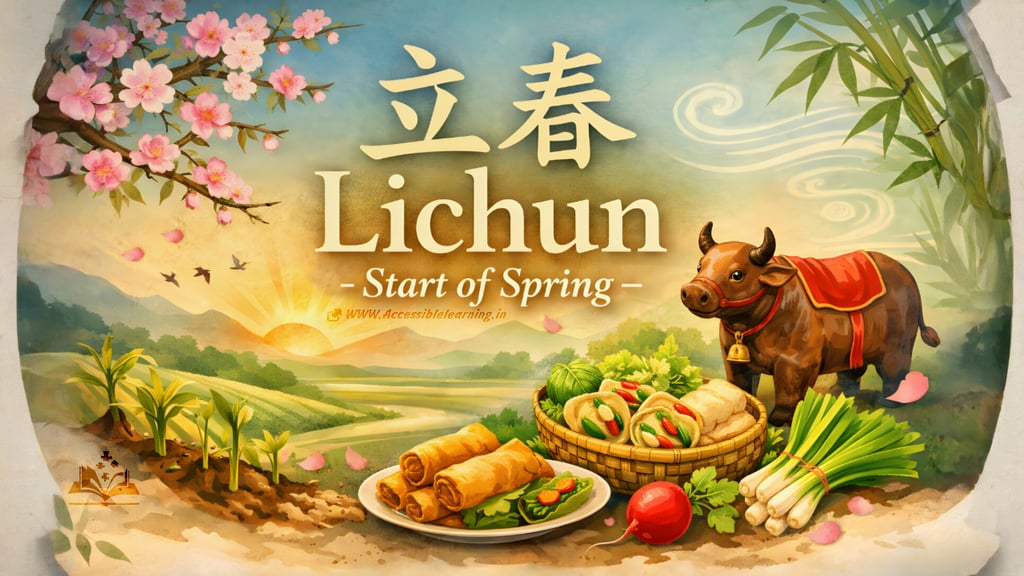
Even when winter still feels dominant and cold winds continue to blow, the traditional Chinese calendar marks a quiet but powerful turning point: Lichun (立春) — the Start of Spring.
Lichun is not only a date on a calendar. It represents the moment when nature begins to shift internally. The soil starts to awaken, the sunlight grows stronger, and the rhythm of life subtly begins moving toward growth again. For thousands of years, Lichun has influenced Chinese farming cycles, seasonal rituals, food traditions, and health practices.
This article offers a complete deep dive into Lichun — its meaning, origins, and why it continues to matter in both traditional and modern life.
What is Lichun (Start of Spring)?
Lichun (立春) literally means “the establishment of spring.”
立 (Li): to establish, to begin
春 (Chun): spring
Lichun is the first of the 24 Solar Terms (二十四节气) — a traditional seasonal system that divides the year into 24 segments based on the changing position of the sun. This system was designed to guide daily life, especially agriculture, by tracking changes in:
sunlight strength
temperature trends
rainfall and humidity
farming and planting cycles
plant growth rhythms
Unlike many cultural festivals based on the lunar calendar, Lichun is rooted in solar astronomy, making it consistent with seasonal movement year after year.
When Does Lichun Occur?
Lichun usually occurs around:
📅 February 3, 4, or 5 each year
Why does the date change slightly?
Because Lichun depends on the sun’s celestial position, not a fixed date. Specifically, it begins when the sun reaches 315° celestial longitude.
This makes Lichun a seasonal marker based on real astronomical timing, not social or festival-based timing.
Lichun’s Importance in the 24 Solar Terms
The 24 Solar Terms are among China’s most practical and scientific cultural systems. Created to match farming needs, they reflect how nature changes gradually instead of suddenly.
Lichun is the first solar term, which makes it especially meaningful:
It opens the natural seasonal cycle
It signals the return of growth energy
It marks the transition from winter stillness to spring movement
Even if temperatures remain low, Lichun confirms that spring has already begun in the calendar of the sun.
The History and Agricultural Roots of Lichun
In ancient China, agriculture was directly linked to survival. The difference between a good harvest and crop failure could shape entire communities. That’s why seasonal timing mattered deeply.
Lichun became important as the moment to begin:
inspecting fields
planning planting schedules
preparing tools and irrigation
organizing seed distribution
repairing storage and farming systems
Imperial and government role
In many dynasties, Lichun was treated as a major seasonal event. Officials and sometimes the emperor performed rituals to:
pray for good weather
request protection from disasters
announce seasonal transitions
show respect to natural order
These rituals emphasized a strong cultural belief:
human prosperity depends on harmony with nature.
What Changes in Nature During Lichun?
Lichun is a transition period. While it may not feel like spring outside, significant changes are happening:
Daylight increases
Sunlight becomes slightly longer and brighter, encouraging early growth cycles.
Underground activity begins
Even if the surface stays cold:
soil microorganisms become more active
moisture patterns shift
dormant roots begin responding to light cycles
Air patterns begin shifting
Traditional observation noted that winds and humidity begin changing, supporting the move toward spring rainfall and vegetation.
Animal and insect cycles begin preparing
Some insects begin early development stages beneath the surface, and animals shift routines in response to changing light.
So Lichun represents spring’s “first breath,” even when spring is not yet visible.
Traditional Lichun Customs and Cultural Practices
Lichun is celebrated as a seasonal turning point, and traditional practices focus on “welcoming” new energy.
1) Welcoming Spring Rituals (迎春)
Communities historically performed ceremonies to welcome spring energy and encourage agricultural success.
These often included:
prayers for harvest
offerings
village gatherings
symbolic seasonal blessings
2) Beating the Spring Ox (打春牛)
One of the most iconic customs.
A clay ox called the Spring Ox would be made and symbolically beaten.
The ox represents:
🐂 farming labor, persistence, harvest power
This ritual symbolized:
waking the land
driving away winter cold
encouraging the soil to become productive
3) Wearing Spring Colors
Some regions follow the belief that wearing “fresh” colors on Lichun attracts positive energy.
Common spring colors:
green (growth)
light yellow (warmth and sunlight)
red (fortune and luck)
Even today, people informally celebrate spring by choosing lighter colors and brighter clothing as the season begins.
4) Beginning Work and New Plans
Many people treat Lichun as a day to start fresh.
Common modern practices:
restart fitness routines
set new personal goals
begin new business projects
reorganize schedules
clean or declutter living spaces
Because symbolically, Lichun represents:
momentum returning to life.

Food Culture: What People Eat During Lichun (and Why)
Lichun has a famous food tradition called:
“Biting the Spring” (咬春)
This means eating spring foods to welcome the season and absorb its positive energy.
Traditionally, people believe it brings:
good health
smoother digestion
protection from seasonal illness
good fortune in work and farming
Popular Lichun Foods
1) Spring Pancakes (春饼)
Thin wraps often filled with:
seasonal vegetables
egg strips
shredded meat (optional)
fresh greens
Symbolic meaning: wrapping freshness and luck into one meal.
2) Spring Rolls (春卷)
Golden fried rolls known for their crispy texture.
Because of their gold color, spring rolls symbolize:
💛 wealth and prosperity (like gold bars)
3) Fresh Greens and Sprouts
These represent early spring growth and renewal, such as:
spinach
mustard greens
sprouts
They symbolize:
🌱 freshness, health, and a clean seasonal restart
4) Leeks and Spring Onions
A classic spring ingredient. They represent:
vitality
cleansing warmth
fresh seasonal energy
5) Radish (萝卜)
A common “biting spring” ingredient in many regions. Radish is linked with:
digestion support
cleansing winter heaviness
restoring appetite
Lichun and Traditional Chinese Medicine (TCM)
In Traditional Chinese Medicine, seasonal changes directly influence the body’s internal balance.
Spring = Wood Element
Spring is linked to:
Wood element (木)
Liver (肝) and Gallbladder (胆)
Spring energy is about:
movement
growth
direction
planning
emotional flow
What happens in the body around Lichun?
As spring begins:
yang energy rises
circulation becomes more active
emotions can become stronger
That’s why spring is also associated with emotional states like:
restlessness
impatience
frustration
TCM lifestyle tips during Lichun
sleep earlier, wake earlier
stretch daily (especially spine and legs)
take gentle morning sunlight
eat lighter, warmer food
avoid excess oily or spicy food
manage stress and anger
In simple terms: spring asks the body to move again.
Lichun and Chinese Astrology: A Hidden New Year Marker
Most people assume the Chinese year begins only at Lunar New Year.
But in Chinese metaphysics systems like BaZi (Four Pillars of Destiny), the year transition is often counted from Lichun, not Lunar New Year.
That means:
some zodiac-year calculations begin from Lichun
luck cycles and annual readings are sometimes based on Lichun timing
This gives Lichun major importance in:
destiny reading
yearly fortune forecasting
metaphysical calendar systems
So Lichun can be considered a “solar-energy new year” marker.


Lichun in Modern Life: Why It Still Matters Today
Even people far from farming traditions still connect with Lichun because it reflects a truth everyone experiences:
🌸 winter makes life slow
🌸 spring brings movement back
In cities today, Lichun remains meaningful because it supports:
seasonal mental renewal
motivation and fresh planning
lighter eating and better routines
outdoor energy and movement
Many modern celebrations are simple but symbolic:
eating spring rolls/pancakes with family
walking in nature
cleaning the home
starting a habit or project
Lichun is Spring’s Quiet Beginning
Lichun teaches a powerful seasonal lesson:
Spring begins before it is fully visible. It starts as a subtle shift:
a little more sunlight
a little more movement
a little more hope
Lichun is not only a cultural tradition but a timeless reminder:
new beginnings don’t always arrive loudly — sometimes they start quietly, deep below the surface, and grow steadily into something beautiful.
FAQ's
Q: What is Lichun (Start of Spring) in Chinese culture?
Lichun (立春) is the first of the 24 Solar Terms in the traditional Chinese calendar. It marks the astronomical beginning of spring, symbolizing renewal, growth, and the start of seasonal transition, even if the weather is still cold.
Q: When does Lichun happen every year?
Lichun usually occurs between February 3 and February 5 each year. The exact date changes slightly because it is based on the sun’s position, not a fixed calendar date.
Q: Is Lichun the same as Chinese New Year?
No. Lichun is not the Chinese New Year.
Chinese New Year is based on the lunar calendar, while Lichun is based on the solar calendar and marks the start of spring in the 24 Solar Terms system.
Q: Why is it still cold during Lichun?
It is still cold during Lichun because Lichun marks a solar/astronomical shift, not an instant weather change. Spring energy begins gradually, while temperatures may take weeks to rise.
Q: What do people eat during Lichun?
Common Lichun foods include:
spring pancakes (春饼)
spring rolls (春卷)
fresh greens and sprouts
radish
leeks / spring onions
These foods represent freshness, good health, and prosperity.
Q: What does “Biting the Spring” (咬春) mean?
“Biting the Spring” is a Lichun tradition where people eat fresh spring foods to welcome the season. It symbolizes absorbing spring energy for health, luck, and a fresh start.
Q: Why is Lichun important in traditional Chinese medicine (TCM)?
In TCM, Lichun marks the rise of spring yang energy and relates to the Wood element and the Liver system. It’s considered the best time to:
eat lighter seasonal foods
move the body more
improve sleep patterns
reduce stress and anger
Q: Does Lichun affect Chinese zodiac or astrology?
Yes. In some Chinese metaphysics systems (especially BaZi / Four Pillars), the yearly cycle begins at Lichun, not Lunar New Year. That’s why some zodiac-year calculations and annual luck readings are tied to Lichun.
Subscribe To Our Newsletter
All © Copyright reserved by Accessible-Learning Hub
| Terms & Conditions
Knowledge is power. Learn with Us. 📚

