

Lantern Festival Explained: History, Traditions, Symbolism, and Global Celebrations
Discover the history, meaning, traditions, and cultural significance of the Lantern Festival. Learn about its origins, symbolism, foods, regional celebrations, and why this 2,000-year-old Chinese festival still matters today.
CULTURE/TRADITIONEVENT/SPECIALCHINACELEBRATION/FESTIVALS
Kim Shin
2/21/20264 min read
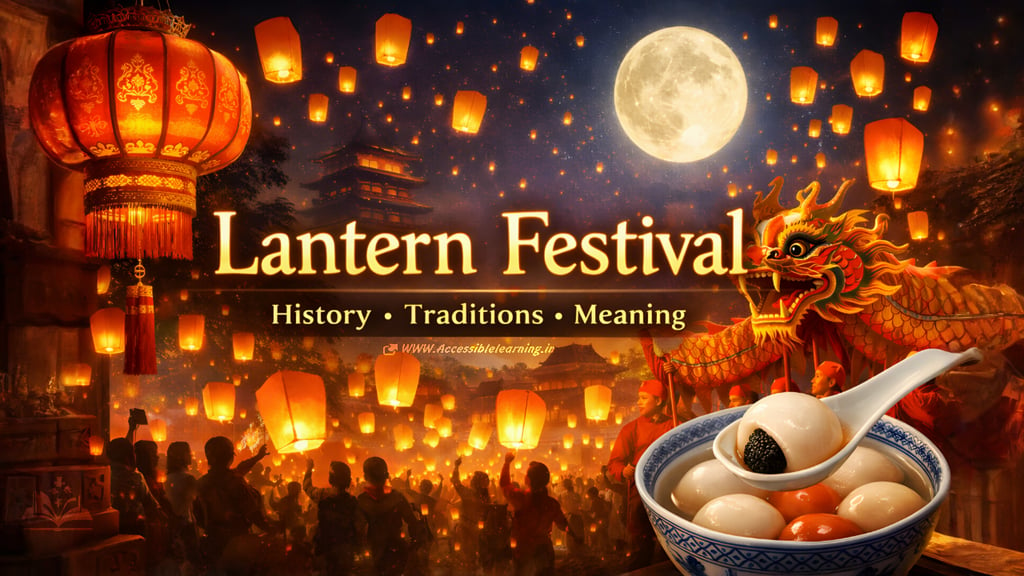
The Lantern Festival, also called Yuanxiao Festival (元宵节), is one of the most important traditional celebrations in Chinese culture. It takes place on the 15th day of the first lunar month, marking the end of the Chinese New Year festivities. The festival celebrates the first full moon of the lunar year and symbolizes reunion, harmony, and hope.
This article explains the Lantern Festival in a clear and informative way, covering its history, customs, symbolism, regional variations, and modern relevance.
Historical Origins of the Lantern Festival
The Lantern Festival has a history of more than 2,000 years.
Han Dynasty Beginnings
One popular explanation links the festival to the Han Dynasty (206 BCE–220 CE). Emperor Ming supported Buddhism and ordered lanterns to be lit in temples and palaces on the first full-moon night to honor Buddha. Over time, the tradition spread among common people.
Taoist Influence
In Taoism, the 15th day of the first lunar month is connected to a heavenly official believed to grant forgiveness. Lighting lanterns symbolized enlightenment and blessings.
Development in Later Dynasties
During the Tang and Song dynasties, lantern festivals became large public celebrations. Cities organized lantern fairs, performances, and night markets. Lantern-making also became a specialized craft.
Why Lanterns Are Important
Lanterns are the main symbol of the festival. They represent:
Light overcoming darkness
Wisdom and knowledge
Good fortune and happiness
Hope for the future
Traditional lanterns were made from bamboo frames covered with silk or paper and decorated with paintings or calligraphy. Many lanterns were shaped like animals, flowers, or mythological figures.
Major Lantern Festival Traditions
Lighting Lanterns
Families hang lanterns outside homes and temples. Cities create large lantern displays in parks and public squares.
Solving Lantern Riddles
People write riddles on lanterns. Visitors try to guess the answers. This tradition was once used to encourage learning and entertainment.
Eating Tangyuan or Yuanxiao
Sweet rice balls are eaten on this day.
Tangyuan – common in southern China, made by wrapping dough around filling.
Yuanxiao – common in northern China, made by rolling filling in rice flour.
Their round shape represents family unity.
Dragon and Lion Dances
These performances are believed to bring good luck and drive away evil spirits.
Fireworks and Sky Lanterns
In some areas, fireworks and floating lanterns are part of the celebration.
Regional Differences
Different regions celebrate in unique ways.
Beijing – Temple fairs with lantern shows and performances
Shanghai – Yuyuan Garden lantern displays
Sichuan – Zigong Lantern Festival with large modern installations
Taiwan – Pingxi Sky Lantern Festival
Hong Kong and Singapore – Chinatown lantern decorations
Each region reflects local culture and traditions.


Cultural and Social Importance
The Lantern Festival has important cultural meanings.
Family Reunion
The full moon symbolizes completeness. Families gather to eat together and celebrate unity.
End of the New Year Period
The festival marks the official end of Spring Festival celebrations.
Public Celebration
Historically, this was one of the few nights when people could gather freely in large numbers.
Traditional Arts
Lantern making, calligraphy, music, and dance are preserved through the festival.
Foods of the Lantern Festival
The most famous food is tangyuan or yuanxiao, usually filled with:
Sesame paste
Peanut paste
Red bean paste
Sugar or fruit
In modern times, new flavors such as chocolate or matcha are also common. Other foods may include dumplings, rice cakes, and regional sweets.
Lantern Festival Around the World
Chinese communities celebrate the Lantern Festival globally. Countries and regions with large celebrations include:
Taiwan
Malaysia
Singapore
Thailand
United States
Canada
Australia
These celebrations often include parades, lantern shows, and cultural performances.
Modern Changes
Today’s Lantern Festival includes:
LED lantern displays
Light shows and projections
Cultural tourism events
Online lantern exhibitions
Some cities also promote eco-friendly lanterns to reduce waste.
Interesting Facts
Lanterns were once made with silk and gold decorations for emperors.
Giant dragon lanterns could be over 100 meters long.
Lantern riddles were an early form of public quiz game.
Lantern festivals sometimes lasted several nights in ancient China.
The Lantern Festival is an important cultural tradition with deep historical roots. It celebrates light, family reunion, and hope for the coming year. Through lantern displays, traditional foods, performances, and community gatherings, the festival continues to connect people with their cultural heritage.
Even in modern cities, the simple act of lighting a lantern still represents unity, peace, and optimism.
FAQ's
Q: What is the Lantern Festival?
The Lantern Festival is a traditional Chinese celebration held on the 15th day of the first lunar month, marking the end of Lunar New Year festivities. It celebrates the first full moon of the year and symbolizes reunion, happiness, and hope.
Q: When is the Lantern Festival in 2026?
In 2026, the Lantern Festival falls on March 3, 2026.
Q: Why is the Lantern Festival celebrated?
It is celebrated to mark the end of the Spring Festival season, welcome the first full moon of the year, pray for good fortune, and strengthen family unity.
Q: Why are lanterns used in the festival?
Lanterns represent light, wisdom, and hope. Lighting lanterns is believed to bring good luck and guide positive energy into homes and communities.
Q: What foods are traditionally eaten during the Lantern Festival?
The main food is tangyuan or yuanxiao, sweet rice balls filled with sesame, peanut, or red bean paste. Their round shape symbolizes family togetherness.
Q: What is the difference between Tangyuan and Yuanxiao?
Tangyuan – Wrapped dough around filling, common in southern China.
Yuanxiao – Filling rolled in rice flour, common in northern China.
Q: What activities happen during the Lantern Festival?
Common traditions include:
Lighting decorative lanterns
Solving lantern riddles
Watching dragon and lion dances
Eating tangyuan
Fireworks or sky lantern releases in some regions
Q: Is the Lantern Festival a public holiday?
It is not an official public holiday in mainland China, but it is widely celebrated across the country and in Chinese communities worldwide.
Q: Is the Lantern Festival only celebrated in China?
No. It is also celebrated in places with Chinese communities, such as Taiwan, Singapore, Malaysia, Thailand, the United States, Canada, and Australia.
Q: What does the full moon symbolize in the Lantern Festival?
The full moon represents completeness, harmony, family reunion, and a fresh start for the year.
Q: Are sky lanterns safe to release?
Some areas allow sky lanterns, but others restrict them due to fire and environmental risks. Many cities now use LED lanterns or light shows instead.
Q: Can non-Chinese people celebrate the Lantern Festival?
Yes. Anyone can celebrate by learning about the culture, making lanterns, cooking tangyuan, or attending public lantern events.
Q: How long has the Lantern Festival existed?
The festival has been celebrated for over 2,000 years, starting during the Han Dynasty.
Q: What colors are traditional lanterns?
Red and gold are the most common colors because they symbolize luck, happiness, and prosperity.
Q: What is the meaning of lantern riddles?
Lantern riddles are games written on lanterns. They are meant to entertain, encourage thinking, and celebrate learning.
Subscribe to Frontier Intelligence
All © Copyright reserved by Accessible-Learning Hub
| Terms & Conditions
Accessible Learning Hub — Actionable clarity for high-agency minds.
Weekly breakdowns on AI breakthroughs, capital flow, and human performance systems. Zero fluff.