

Kobe Luminarie’s Italian Artistry and Japanese Spirit
Kobe Luminarie is a powerful winter light festival in Japan honoring the 1995 Hanshin earthquake victims. Known for its Italian-designed illuminations, emotional atmosphere, and memorial spirit, it offers a blend of art, history, and reflection.
CULTURE/TRADITIONEVENT/SPECIALITALYJAPAN
Kim Shin
12/5/20254 min read
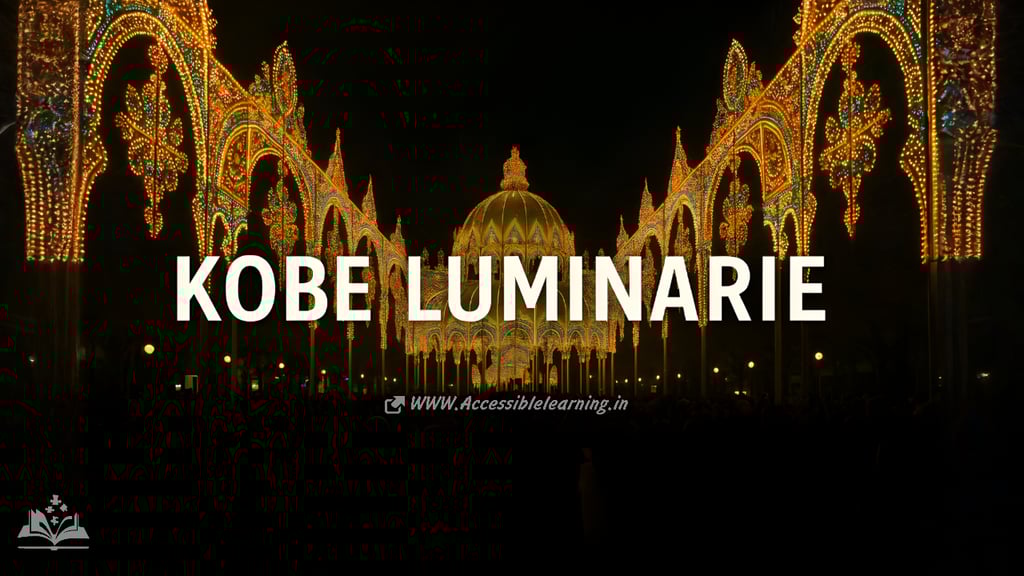
Kobe Luminarie is more than a winter attraction. It’s a cultural landmark, a memorial, and one of Japan’s most emotional public art experiences. Held every winter in Kobe, this illumination event honors the victims of the 1995 Great Hanshin Earthquake, which devastated the city and claimed thousands of lives.
What makes Luminarie stand out is its combination of design, emotion, craftsmanship, and community, creating an experience that feels almost sacred.
Deeper History and Cultural Background
A Memorial Rooted in Tragedy
The event was created just months after the earthquake by:
The city of Kobe
Hyogo Prefecture
The Italian government
Italian artists from Valerio Festi’s team
It was meant to symbolize unity and hope. Over the years, Luminarie has become a reminder that resilience can shine even in the darkest times.
Italian Influence
The lights use classical Italian design styles:
Renaissance arches
Baroque flourishes
Gothic cathedral-like structures
This creates a unique contrast with Japanese cityscapes and gives the festival an international artistic identity.
How the Artwork Is Built
Kobe Luminarie is not just lights hung on wires. It’s a multi-layered architectural production.
Hand-painted Bulbs
Each bulb is painted by hand with translucent colors. This increases the glow and adds warm gradients instead of plain white light.
Wooden Frames
The arches are built with lightweight but sturdy wooden frames shaped into curves, domes, pillars, and lacework.
Modular Construction
Everything is modular, so it can be:
Assembled quickly
Disassembled after the event
Restored for the following years
Large-Scale Installations
Some years include:
Huge cathedral façades
Multi-layered light corridors
Circular plazas with dome ceilings
Vertical towers of light
Interactive sections with sound
Energy Efficiency
In recent years, designs have moved toward:
LED bulbs
Lower power consumption
Environment-conscious planning
This helps sustain the festival in the long term, as donations and environmental policies are both important.
Experience & Atmosphere: What It Feels Like
A Walking Journey
Luminarie is designed as a guided route. You don’t enter and wander freely; you walk through a narrative of lights.
Sound Design
Soft orchestral or choral music plays in many areas, creating a calm emotional tone rather than a festive party vibe.
A Moment of Silence
Towards the end of the path, there’s a section dedicated to remembrance where people:
Stop
Pray
Leave wishes
Reflect quietly
Seasonal Night Air
With Kobe’s winter chill, warm drinks like cocoa and yuzu tea are commonly enjoyed after the walk.

Economic and Social Importance
Tourism Growth
Millions visit each year, increasing demand for:
Hotels
Local restaurants
Shopping streets
Local Community Support
Luminarie is funded partly by donations. This helps:
Keep the tradition alive
Support earthquake-related charities
Develop the local community
International Cultural Exchange
Italian-Japanese collaboration makes Luminarie a symbol of global friendship.
Aesthetic & Artistic Concepts
Color Themes
Different years explore themes like
“Light of Hope”
“Path of Prayer”
“Memory and Future”
Color palettes often include:
Gold
White
Emerald
Sapphire
Ruby accents
Architectural Influence
You can notice:
Church nave patterns
Rose windows
Baroque curves
Venetian motifs
Photography Appeal
It’s one of Japan’s most photographed winter events due to:
Symmetry
High detail
Deep colors
Dramatic lighting
Visitor Tips (Extended)
Best Time to Visit
Arrive around sunset to avoid the peak rush.
Weekdays are much calmer.
What to Wear
Kobe winters can be cold and windy near the port, so layered clothing helps.
Nearby Attractions
Combine Luminarie with:
Kobe Harborland
Meriken Park
Nankinmachi Chinatown
Kobe Port Tower
Food Recommendations
Popular winter bites:
Takoyaki
Kobe beef skewers
Hot milk tea
Buttered sweet potatoes
Impact on Kobe’s Identity
Kobe was rebuilt with modern design after 1995. Luminarie acts as the emotional core that keeps the memory alive. For locals, attending each year is almost like renewing a promise to never forget what the city overcame.


FAQs
Q: What is Kobe Luminarie?
Kobe Luminarie is an annual winter light festival held in Kobe, Japan. It features handcrafted Italian-style illuminations and was created to honor the victims of the 1995 Great Hanshin Earthquake.
Q: Why was the festival started?
It began in 1995 as a memorial event to symbolize hope, recovery, and remembrance after the earthquake that severely damaged Kobe and claimed thousands of lives.
Q: When does the Kobe Luminarie usually take place?
It typically runs for 10–12 days in December, though exact dates vary each year based on city schedules and planning.
Q: Where is the event held?
The festival route usually starts near Sannomiya Station and continues toward Meriken Park. The layout can change slightly each year.
Q: Is there an entry fee?
No. Kobe Luminarie is free to attend, but visitors are encouraged to offer small donations to help maintain the event for future years.
Q: How crowded does it get?
Very crowded, especially on weekends. Millions visit every year. Weekdays and early evening hours are more comfortable.
Q: Are the lights the same each year?
No. Each year introduces new themes, designs, and artistic patterns. The core style stays the same, but the visual experience is different.
Q: Are the light structures actually handmade?
Yes. The bulbs are hand-painted, and the arches are built using wooden frames designed by Italian craftsmen, giving the festival its distinct identity.
Q: Can I take photos or videos?
Yes. Photography is allowed, and the event is extremely popular for night photography due to its symmetrical designs and vibrant colors.
Q: Is the event suitable for families and children?
Absolutely. It’s safe, peaceful, and family-friendly. The walking route is slow-paced, so even young children can enjoy it comfortably.
Q: Does the event impact traffic or transportation?
Yes, the areas around Sannomiya and Motomachi can become very busy. Public transport is recommended instead of cars.
Q: What happens if it rains?
Kobe Luminarie usually continues during light rain. Only severe weather conditions may affect operations.
Subscribe To Our Newsletter
All © Copyright reserved by Accessible-Learning Hub
| Terms & Conditions
Knowledge is power. Learn with Us. 📚

