

Jeju Fire Festival Guide: History, Meaning, Dates & Travel Tips
Jeju Fire Festival is one of South Korea’s most unique cultural events, held on Jeju Island to celebrate renewal, tradition, and the start of spring. This in-depth guide covers the festival’s history, meaning, main fire ceremony, best time to visit, travel tips, and what to expect for an unforgettable experience.
EVENT/SPECIALTRAVEL LIFECELEBRATION/FESTIVALSSOUTH KOREA
Kim Shin
2/18/20266 min read
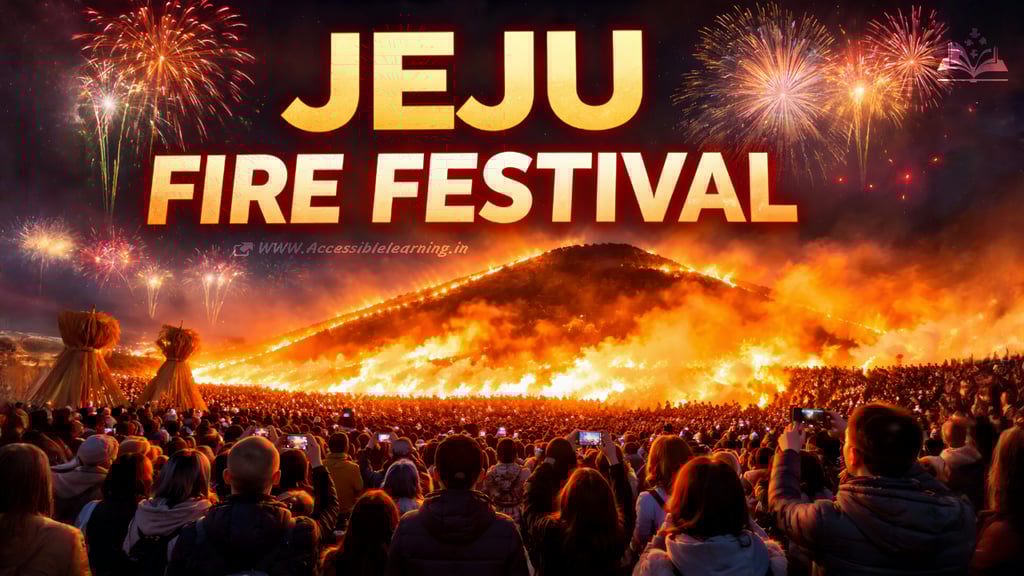
If you ever wanted to witness a festival that feels ancient, emotional, and cinematic all at once, Jeju Fire Festival should be on your list. Held on Jeju Island, South Korea, this event is famous for its blazing hillside fires, folk performances, and community rituals that symbolize renewal, good fortune, and a strong start to the farming season.
But the festival is not just “a big fire show.” It carries deep cultural meaning and is strongly linked to Jeju’s rural history. In this guide, you’ll find everything you need to know: what the Jeju Fire Festival is, why it happens, the best time to go, what to expect, and practical tips to plan your visit.
What Is the Jeju Fire Festival?
The Jeju Fire Festival (Jeju Deulbul Festival / 제주 들불축제) is one of Jeju’s most iconic cultural festivals. It is traditionally held in early spring, when winter ends and farmers prepare the land for planting.
The highlight of the event is the spectacular moment when parts of a grassy hillside are set on fire in a controlled way, creating a massive wave of flame across the slope. The burning symbolizes:
Clearing the old
Welcoming the new season
Driving away bad luck
Wishing for a good harvest and health
It’s a rare festival where nature, culture, agriculture, and spiritual belief come together in a single unforgettable scene.
The Cultural Roots: Why Fire Matters on Jeju Island
To understand why this festival exists, you need to understand Jeju’s land and traditions.
1) Agricultural tradition (Deulbul)
Historically, Jeju farmers burned dry grasslands as part of spring land preparation. This helped:
Remove old weeds and dead grass
Reduce insects and pests
Improve soil condition for grazing and farming
Keep grasslands open for livestock
This practice is called “Deulbul” (field fire).
2) Community ritual and belief
In Korean folk culture, fire is cleansing. It is believed to remove negative energy and invite good fortune. On Jeju, the burning of fields wasn’t only practical; it became symbolic:
Burning away misfortune from last year
Strengthening community unity
Asking nature for protection and abundance
Where Is the Jeju Fire Festival Held?
The festival is commonly held in the Aewol/Saebyeol Oreum area (depending on the year and official planning).
What is an “Oreum”?
An oreum is a small volcanic hill formed by Jeju’s unique volcanic geography. Jeju is famous for having hundreds of oreums, and many are covered in wide grass fields.
The burning takes place on an oreum because:
The slope creates a dramatic visual effect
The grassland tradition is linked to these hills
It represents Jeju’s natural identity
When Does the Jeju Fire Festival Take Place?
The Jeju Fire Festival usually happens in late February or early March (spring season in Korea).
Because festival schedules can shift each year, the exact dates vary. If you're planning a trip, always check the official Jeju event calendar closer to the time.
What Happens During the Jeju Fire Festival? (Full Experience)
Many people think the festival is only one night. In reality, it’s a multi-day cultural event. Here’s what you can expect.
1) Opening ceremonies and folk performances
The festival begins with performances that represent Jeju’s folk heritage:
Traditional drumming
Jeju folk dance
Cultural parade or opening rituals
Local storytelling and music
This part is deeply human and warm. It feels like the island is introducing itself to you.
2) Traditional games and cultural zones
Festival grounds often include activity areas such as:
Traditional Korean games
Craft and culture booths
Local food stalls
Jeju heritage exhibits
These sections are perfect for families and travelers who want to experience Jeju beyond the fire show.
3) “Wish rituals” (one of the most emotional parts)
A special feature of the Jeju Fire Festival is the wish-making tradition. Visitors participate by writing wishes for:
health
success
family safety
love and happiness
career progress
financial stability
These wishes become part of the event atmosphere, and when the fire burns the hillside, many people feel like their wishes are being “sent” into the sky.
4) The main event: hillside burning (The Fire Moment)
This is the iconic part. At night, the grassland on the oreum hillside is burned in a controlled, coordinated manner. The visuals are:
A giant glowing fireline moving across the slope
Smoke and sparks flowing into the sky
Silence, cheering, and awe all at once
A feeling of witnessing something ancient
It’s dramatic but also strangely calming. Many visitors describe it as spiritual.
5) Fireworks and ending celebrations
The fire is often followed by:
fireworks show
closing performances
community celebration
It becomes a festival of rebirth rather than destruction.


Is the Jeju Fire Festival Safe?
Yes, the festival is organized with safety planning, and burning is controlled with boundaries. However, fire festivals always require extra caution.
Safety tips for visitors:
Wear a mask (smoke can be strong)
Bring eye drops if you’re sensitive
Avoid standing downwind of the burning zone
Follow staff barriers and instructions
Wear shoes with good grip (oreum slopes can be uneven)
Environmental and Ethical Considerations (What Travelers Should Know)
Modern tourism also raises important questions: Is burning grasslands still responsible today?
Jeju Fire Festival has faced environmental discussion, including concerns such as:
air pollution
impact on wildlife
weather and wind safety
sustainability
As a result, some years may adjust burning methods or modify events. If you visit, the best approach is respectful tourism:
don’t treat it as “only entertainment.”
follow safety rules strictly
avoid littering
respect local cultural meaning
What to Wear to the Jeju Fire Festival
Jeju in late winter/early spring can be cold, windy, and unpredictable.
Recommended outfit:
warm jacket / padded coat
thermal innerwear
scarf and gloves
comfortable sneakers (not slippery)
cap or beanie
mask (for smoke)
Extra helpful items:
portable phone charger
water
small towel
camera with night mode (or tripod)
How to Reach Jeju Fire Festival (Transport Tips)
Getting to Jeju Island
You can reach Jeju by:
domestic flights from Seoul (Gimpo), Busan, Daegu, etc.
ferries (less common for tourists)
Moving around on Jeju
To reach festival areas smoothly:
rent a car (best choice for flexibility)
use festival shuttle buses (often available)
taxis work but may be hard to book during peak times.
Important: Traffic gets heavy on festival days. Arrive early.
Best Travel Plan: Jeju Fire Festival + Jeju Spring Highlights
If you’re visiting Jeju for the festival, make it a complete cultural trip.
Recommended nearby attractions:
Hallasan National Park (spring hiking)
Jeju Olle Trails
Seongsan Ilchulbong (Sunrise Peak)
Manjanggul Cave
Jeju stone grandfather statues (Dol Hareubang)
local markets (black pork + mandarins)
This combination makes your trip feel like a full Jeju “seasonal experience,” not just a one-night festival.
Best Photography Tips for Jeju Fire Festival
If you want strong photos/videos:
Arrive early and pick a high-angle viewpoint
Use night mode or manual exposure
Record wide shots first (for scale), then close crowd moments (for emotion)
Protect your lens from smoke particles
Capture local faces, not just flames (this adds storytelling)
Why Jeju Fire Festival Is Worth Visiting (More Than a Tourist Event)
There are festivals that entertain you, and there are festivals that stay inside you.
Jeju Fire Festival feels special because:
it is rooted in real farming tradition
it carries community spirit
it symbolizes cleansing and rebirth
it blends Jeju nature + Korean folk culture
it creates a moment that feels timeless
Even if you don’t understand the language, the message is universal:
Burn the old, welcome the new, and move forward with hope.
The Jeju Fire Festival is not just about fire. It’s about life, seasons, and the human need to begin again.
For travelers looking for a truly Korean cultural experience (beyond shopping streets and city tours), Jeju Fire Festival offers something rare: a tradition where you feel the island’s soul.

FAQs
Q: Why is the Jeju Fire Festival famous?
Jeju Fire Festival is famous for its dramatic hillside burning ceremony, where a large oreum (volcanic hill) is set on fire in a controlled way. It symbolizes cleansing bad luck and welcoming a fresh start for the new farming season.
Q: Is the Jeju Fire Festival a traditional event or a modern festival?
It is both. The festival is based on Jeju’s old practice of burning grasslands (deulbul) to remove pests and prepare fields, but today it is organized as a large cultural tourism festival with performances, food, and activities.
Q: Where exactly does the Jeju Fire Festival take place?
It is usually held around Saebyeol Oreum in Aewol, Jeju Island. The exact venue may change depending on safety or local planning each year.
Q: When is the best time to visit Jeju for the Fire Festival?
The festival usually happens in late February or early March, when winter ends and Jeju begins entering spring. This is also a beautiful season for early flowers and scenic hiking.
Q: Is the hillside fire safe to watch?
Yes, it is controlled and monitored, and visitors must stay behind safety lines. However, smoke, wind, and crowd movement can affect comfort, so visitors should follow instructions and keep a safe distance.
Q: Can tourists participate in the Jeju Fire Festival?
Yes. Tourists can join many parts of the festival like:
writing wish messages
cultural games and activities
local food stalls and performances
But the actual burning area is handled only by professionals and local organizers.
Q: What should I wear to the Jeju Fire Festival?
Wear warm layered clothing, because Jeju is still cold and windy at night during early spring. Shoes with good grip are important because oreum paths can be uneven.
Q: Is Jeju Fire Festival good for families and kids?
Yes, the festival is family-friendly, especially in daytime zones with:
cultural booths
games
food and performances
But for kids, the fire event may be loud or smoky, so a mask and safe viewing spot are recommended.
Q: Does the Jeju Fire Festival happen every year?
Usually yes, but some years the festival may be modified, postponed, or canceled due to weather conditions, safety concerns, or environmental issues.
Q: What makes Jeju Fire Festival different from other festivals in Korea?
Most Korean festivals are centered on food, flowers, or performances. Jeju Fire Festival is unique because it combines
Jeju’s volcanic landscape (oreum)
agricultural tradition
fire ritual symbolism
It feels both natural and spiritual, not just entertaining.
Subscribe to Frontier Intelligence
All © Copyright reserved by Accessible-Learning Hub
| Terms & Conditions
Accessible Learning Hub — Actionable clarity for high-agency minds.
Weekly breakdowns on AI breakthroughs, capital flow, and human performance systems. Zero fluff.