

Jeju Fire Festival Guide: History, Dates, Travel Tips, and Cultural Meaning
Discover the Jeju Fire Festival on Jeju Island, South Korea. Learn its history, meaning, dates, travel tips, and why this glowing hillside celebration attracts visitors worldwide.
EVENT/SPECIALTRAVEL LIFESOUTH KOREACELEBRATION/FESTIVALS
Kim Shin
3/3/20265 min read
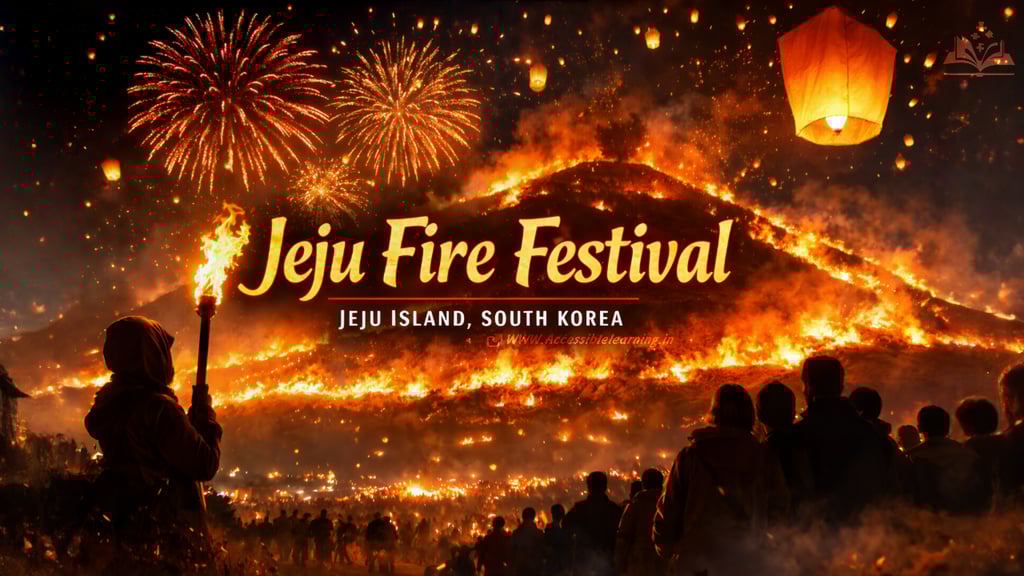
The Jeju Fire Festival is one of South Korea’s most unique cultural events, blending ancient farming traditions with modern tourism. Held every spring on the volcanic island of Jeju, the festival transforms vast grasslands into glowing landscapes of controlled fire, music, and celebration. For travelers, photographers, and culture lovers, it offers a rare glimpse into Jeju’s rural history and spiritual connection to nature.
What Is the Jeju Fire Festival?
The Jeju Fire Festival is an annual event inspired by a traditional agricultural practice called bangae. In earlier times, farmers burned old grass on hillsides to:
Remove pests
Enrich soil with ash
Prepare fields for new crops
Today, the festival recreates this practice symbolically on Saebyeol Oreum hill, combining ritual fire lighting with concerts, food markets, and cultural performances. The festival usually takes place in early March, marking the arrival of spring and a new farming season.
Visual Atmosphere of the Festival
The sight of glowing hillsides under a dark sky is unforgettable. Thousands gather to watch as flames spread across the grass in a carefully controlled burn, followed by fireworks and lantern displays. The mood is warm, communal, and deeply symbolic.
History and Cultural Meaning
Jeju’s culture is shaped by its volcanic landscape and farming traditions. Fire was seen as a purifier and a way to invite prosperity. Key meanings of the festival include:
Renewal and Purification
Burning old grass represents removing bad luck and starting fresh.
Agricultural Blessing
Farmers pray for good harvests and healthy livestock.
Community Bonding
Villagers historically worked together during burns. The festival recreates that sense of unity.
The festival also reflects Jeju’s identity as a place of resilience shaped by nature.
Where It Happens
The main venue is:
Saebyeol Oreum: Located on Jeju Island, South Korea.
Saebyeol Oreum is a volcanic hill known for its open grassland and wide views, making it ideal for safe, controlled burning.


Main Events and Activities
Torch Parade
Participants carry torches up the hill before the burn begins.
Hill Burning Ceremony
The highlight event is where controlled fire spreads across the hillside.
Cultural Performances
Includes:
Traditional Korean dances
Folk music
Drumming performances
Fireworks Show
A colorful display lights up the night sky.
Food and Craft Markets
Visitors enjoy local dishes such as:
Black pork BBQ
Seafood pancakes
Tangerine desserts
Artisans also sell handmade crafts.
Why Tourists Love the Jeju Fire Festival
The festival offers a mix of adventure, photography, and cultural depth.
Unique Experience
Few festivals worldwide involve controlled landscape burning.
Stunning Photography
The glowing hills and fireworks create cinematic visuals, perfect for creative projects.
Authentic Culture
Unlike staged events, the festival connects directly to real farming history.
For someone like you who enjoys visual storytelling and cinematic art prompts, the Jeju Fire Festival can inspire beautiful concepts with firelight, silhouettes, and cosmic-style night skies.
Travel Tips for Visitors
Best Time to Arrive
Arrive early afternoon to explore markets and secure a viewing spot.
What to Wear
Jeju can be windy and cold in March. Bring warm layers.
Safety Tips
Follow instructions from organizers. Fire zones are controlled but must be respected.
How to Reach
Fly into Jeju International Airport and take local buses or taxis to Saebyeol Oreum.
Environmental Considerations
In recent years, environmental concerns led to debates about air pollution and wildlife impact. Organizers now:
Reduce burn areas
Use eco-friendly practices
Monitor safety and environmental impact
This balance helps preserve tradition responsibly.
Similar Festivals Around the World
If you enjoy fire-based cultural events, you might also explore:
Las Fallas in Spain
Up Helly Aa in Scotland
Chaharshanbe Suri in Iran
Each uses fire symbolically in different ways.
Why the Jeju Fire Festival Still Matters
In a digital world, the festival reminds people of their connection to land and tradition. Fire becomes a symbol of renewal, community, and hope. It also supports tourism and keeps Jeju’s rural culture alive.
The Jeju Fire Festival is more than a tourist attraction. It is a living tradition that shows how culture, nature, and community can come together in a powerful visual and emotional experience.
If you are planning a cultural travel story, a cinematic art project, or content for a client like Carolina Pizano Wagner, who loves meaningful visuals, this festival offers endless inspiration.
Quick Facts
Location: Saebyeol Oreum, Jeju Island, South Korea
Time: Early March each year
Theme: Agricultural renewal and purification
Highlights: Hill burning, torch parade, fireworks, food markets

FAQ's
Q: What is the Jeju Fire Festival?
The Jeju Fire Festival is an annual cultural event on Jeju Island, South Korea, where hillsides are burned in a controlled ceremony inspired by traditional farming practices. It symbolizes renewal, good harvests, and community unity.
Q: When is the Jeju Fire Festival held?
The festival usually takes place in early March, marking the beginning of spring. Exact dates change each year, so visitors should check the official tourism website before planning travel.
Q: Where does the Jeju Fire Festival happen?
The main event is held at Saebyeol Oreum, a volcanic hill famous for wide grasslands and scenic views. It is about 30–40 minutes by car from Jeju City.
Q: Why do they burn the hills?
The burning comes from an old farming method used to:
Remove pests
Improve soil fertility
Prepare land for planting
Today it is done symbolically to wish for prosperity and good luck.
Q: Is the fire dangerous?
No. The burning is controlled and supervised by firefighters and local authorities. Safety zones are clearly marked, and visitors must follow instructions.
Q: Is the Jeju Fire Festival free?
Many activities are free, but some special programs or viewing areas may have small fees. Food, crafts, and souvenirs are paid separately.
Q: What should visitors wear?
March weather on Jeju can be cold and windy. Wear:
Warm layers
Comfortable walking shoes
Gloves or scarf
Avoid loose clothing near fire areas.
Q: How can tourists reach the festival?
Visitors can fly into Jeju International Airport and then take buses, taxis, or rental cars to Saebyeol Oreum. Booking transport early is recommended because crowds are large.
Q: Are there food options at the festival?
Yes. The festival has local food markets where visitors can try:
Jeju black pork BBQ
Seafood pancakes
Tangerine desserts
It is a great place to taste Jeju cuisine.
Q: Is the festival environmentally safe?
There have been concerns about smoke and wildlife impact. Organizers now limit burn areas and follow environmental guidelines to reduce damage while keeping the tradition alive.
Q: Can families attend the Jeju Fire Festival?
Yes. The festival is family-friendly, with cultural shows, music, games, and food stalls. Parents should keep children within safe viewing zones.
Q: Why is the Jeju Fire Festival popular with photographers?
The glowing hills, torch parades, and fireworks create dramatic lighting and cinematic visuals. It is one of the most visually striking festivals in South Korea.
Q: Are there other festivals like this?
Similar fire-based celebrations include:
Las Fallas in Spain
Up Helly Aa in Scotland
Each celebrates fire as a symbol of renewal in different cultures.
Q: What is the best time to arrive?
Arrive early afternoon to explore markets and get a good viewing spot before sunset, when the main fire ceremony begins.
Q: Is the Jeju Fire Festival worth visiting?
Yes. It offers a mix of culture, photography, food, and unforgettable scenery. It is one of the most unique spring festivals in Asia.
Subscribe to Frontier Intelligence
All © Copyright reserved by Accessible-Learning Hub
| Terms & Conditions
Accessible Learning Hub — Actionable clarity for high-agency minds.
Weekly breakdowns on AI breakthroughs, capital flow, and human performance systems. Zero fluff.