

Ivan Kupala Day: The Ancient Slavic Festival of Fire, Water, Love, and Nature
Discover Ivan Kupala Day, the ancient Slavic midsummer festival celebrating fire, water, love, fertility, and folklore. Explore its history, traditions, rituals, legends, and modern-day celebrations.
EVENT/SPECIALCULTURE/TRADITIONRUSSIA
Kim Shin
6/27/20265 min read
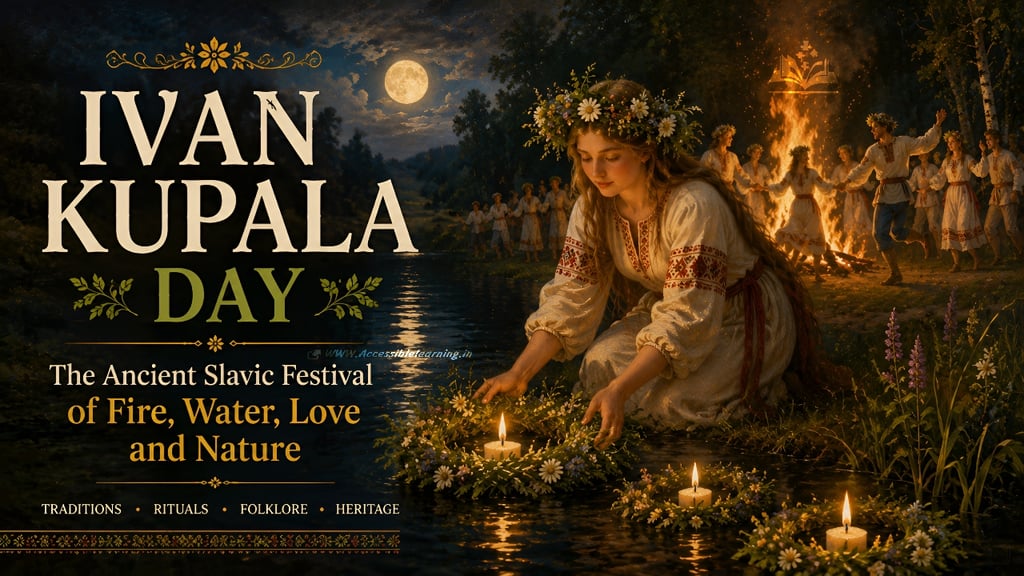
Ivan Kupala Day is one of the most fascinating and mystical festivals in Eastern Europe. Rooted in ancient Slavic pagan traditions and later intertwined with Christian customs, the celebration honors nature, fertility, purification, and the powerful forces of fire and water.
For centuries, communities across countries such as Russia, Ukraine, Belarus, and Poland have gathered to celebrate this midsummer festival through bonfires, flower wreaths, songs, dances, and symbolic rituals. Even in modern times, Ivan Kupala Day remains a vibrant cultural event that connects people with their heritage and the natural world.
This article explores the origins, traditions, symbolism, and modern significance of Ivan Kupala Day.
What Is Ivan Kupala Day?
Ivan Kupala Day is a traditional Slavic folk festival celebrated during the summer season. The festival combines ancient pagan rituals associated with the summer solstice and Christian influences connected to Saint John the Baptist.
The name itself reflects this blend:
Ivan is the Slavic form of John, referring to Saint John the Baptist.
Kupala is believed to originate from ancient rituals involving bathing, cleansing, and water purification.
Traditionally, the festival occurs around the period of the summer solstice, when daylight reaches its maximum length and nature is considered to be at the height of its power and fertility.
Historical Origins of Ivan Kupala Day
Pagan Roots
Long before Christianity spread through Eastern Europe, Slavic tribes celebrated the summer solstice as a sacred event.
The solstice represented the following:
The peak of solar energy
Agricultural abundance
Fertility and growth
Spiritual renewal
Harmony between humans and nature
Ancient Slavs believed that supernatural forces were especially active during this period. Plants, rivers, forests, and celestial bodies were thought to possess enhanced magical properties. The festival became a time for rituals intended to ensure good harvests, health, love, and prosperity.
Christian Influence
When Christianity expanded across Slavic regions, many pagan celebrations were adapted rather than completely eliminated.
The festival became associated with the feast of Saint John the Baptist, whose connection to water and baptism naturally aligned with existing purification rituals.
As a result, Ivan Kupala Day emerged as a unique fusion of pagan beliefs and Christian traditions.
When Is Ivan Kupala Day Celebrated?
The date varies depending on local traditions and religious calendars.
Historically, the celebration coincided with the summer solstice around June 21.
In many Eastern Orthodox communities using the Julian calendar, Ivan Kupala Day is commonly celebrated on the night of July 6 and continues into July 7.
This timing has become the most widely recognized modern observance.
The Symbolism of Fire and Water
Two elements dominate Ivan Kupala Day: fire and water. These opposing forces symbolize purification, transformation, life, and balance.
Fire
Bonfires represent:
Protection from evil spirits
Purification of body and soul
Solar energy and vitality
Strength and renewal
Participants often leap over bonfires as a symbolic act of cleansing and courage.
Water
Water rituals symbolize the following:
Spiritual purification
Healing
Fertility
Renewal
People traditionally bathe in rivers, lakes, or streams during the celebration. The combination of fire and water reflects the ancient belief that balance between natural forces creates harmony and prosperity.
Traditional Ivan Kupala Day Customs
Bonfire Jumping
One of the most famous traditions involves jumping over large bonfires. Young people often leap across the flames individually or in pairs.
According to folklore:
Successful jumps bring good fortune.
Couples who jump while holding hands may enjoy lasting love and happiness.
Failure to clear the fire may be interpreted as a warning of challenges ahead.
While modern celebrations emphasize fun and tradition, the ritual originally carried deep spiritual meaning.
Flower Wreaths and Love Divination
Young women weave flower crowns and wreaths from wildflowers and herbs. At night, these wreaths are floated on rivers or lakes. The movement of the wreath is believed to reveal clues about future relationships:
A wreath floating smoothly suggests good fortune.
A wreath reaching shore may symbolize marriage.
A wreath sinking may indicate difficulties or delays.
This custom remains one of the most visually beautiful aspects of the festival.
Searching for the Mythical Fern Flower
Perhaps the most famous legend associated with Ivan Kupala Day is the search for the magical fern flower.
According to folklore:
Ferns bloom only once a year.
The flower appears at midnight on Ivan Kupala Night.
Whoever finds it gains wisdom, wealth, happiness, or hidden knowledge.
Botanically, ferns do not produce flowers. The legend therefore symbolizes humanity's eternal search for mystery, truth, and good fortune.
Nighttime Celebrations
Communities traditionally gather for:
Folk music
Traditional dances
Storytelling
Singing
Feasting
The night is viewed as magical, with many believing supernatural beings become especially active during this time.
Herbal Gathering
Many herbs are believed to possess heightened healing powers on Ivan Kupala Day. Commonly gathered plants include:
St. John's wort
Chamomile
Mugwort
Yarrow
Wild medicinal herbs
These plants are often dried and stored for use throughout the year.

Cultural Importance of Ivan Kupala Day
Ivan Kupala Day serves as more than a seasonal celebration. It reflects several important cultural values:
Connection to Nature
The festival encourages appreciation for forests, rivers, flowers, and natural cycles.
It reminds people that human life is closely tied to the environment.
Community Bonding
Traditional celebrations bring families and communities together through shared rituals and festivities.
Preservation of Heritage
Many customs have survived for centuries, helping preserve Slavic folklore and cultural identity.
Celebration of Youth and Love
The festival has long been associated with courtship, romance, and new beginnings.
Many traditions center on relationships and future happiness.
Ivan Kupala Day Around the World
Different countries celebrate Ivan Kupala Day in unique ways.
Ukraine
The festival remains an important cultural event featuring wreath-floating ceremonies, folk performances, and community gatherings.
Belarus
Traditional songs, bonfires, and rural celebrations continue to attract participants each year.
Russia
Ivan Kupala festivities often combine historical reenactments, folklore performances, and modern entertainment.
Poland
A related celebration known as "Noc Kupały" or "Kupala Night" preserves many ancient customs connected to the summer solstice.
Modern Celebrations
Today, Ivan Kupala Day is celebrated in both traditional and contemporary forms. Modern events may include:
Cultural festivals
Folk concerts
Historical reenactments
Outdoor markets
Educational programs
Nature-themed activities
Many people participate for cultural appreciation rather than religious reasons, while others continue to embrace the spiritual and symbolic aspects of the holiday.
Myths and Folklore Associated with Ivan Kupala Day
Ancient folklore suggests that Ivan Kupala Night is a time when the boundary between the human world and the supernatural becomes thinner.
Stories often mention:
Forest spirits
Water nymphs
Protective guardians
Hidden treasures
Magical plants
Fortune-telling rituals
These legends have contributed to the festival's enduring sense of mystery and enchantment.
Why Ivan Kupala Day Still Matters Today
In an increasingly digital world, Ivan Kupala Day offers a reminder of humanity's ancient relationship with nature. The festival celebrates the following:
Community
Tradition
Love
Renewal
Environmental awareness
Cultural heritage
Its survival across centuries demonstrates the enduring appeal of rituals that connect people with the natural world and with one another.
Ivan Kupala Day stands as one of the most remarkable and enduring celebrations of Slavic culture. Blending ancient pagan traditions with Christian influences, the festival honors the forces of nature through rituals involving fire, water, flowers, music, and community.
From jumping over bonfires and floating flower wreaths to searching for the legendary fern flower, every custom reflects humanity's timeless fascination with renewal, love, and the mysteries of the natural world.
As modern societies continue to evolve, Ivan Kupala Day remains a powerful symbol of cultural identity, seasonal change, and the enduring connection between people and nature.
Subscribe to Frontier Intelligence
All © Copyright reserved by Accessible-Learning Hub
| Terms & Conditions
Accessible Learning Hub — Actionable clarity for high-agency minds.
Weekly breakdowns on AI breakthroughs, capital flow, and human performance systems. Zero fluff.