

Immigration and Border Humanitarian Concerns in the United States: Current Challenges, Policy Impact, and Reform Solutions
Comprehensive analysis of U.S. immigration and border humanitarian concerns, including asylum policies, detention conditions, family separation, and reform solutions.
USAHARSH REALITYNEPOTISM/SOCIAL ISSUESAWARE/VIGILANT
Kim Shin | Keshav Jha
10/26/202513 min read
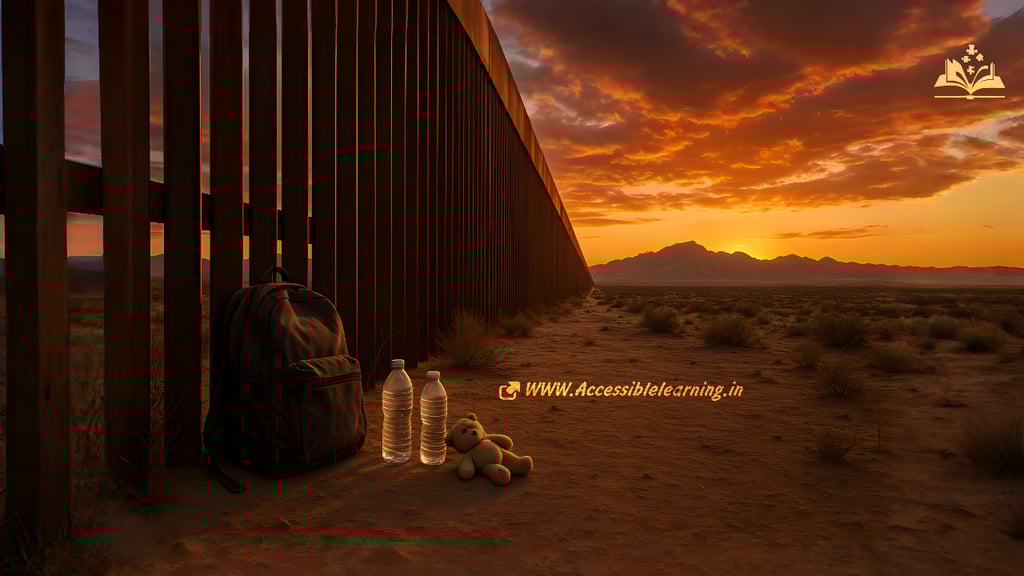
The intersection of immigration policy and humanitarian responsibility represents one of the most pressing challenges facing the United States today. As border encounters reach unprecedented levels and humanitarian conditions deteriorate in detention facilities, understanding the complexities of this crisis requires examining multiple dimensions: the human cost of policy decisions, the operational realities at the border, and the broader implications for American society and international obligations.
Understanding the Current Immigration Landscape
The United States immigration system faces significant strain as millions of individuals seek entry through various pathways. Recent data reveals patterns that challenge traditional assumptions about border management and humanitarian response. The complexity extends beyond simple enforcement questions to encompass asylum processing, family separation policies, unaccompanied minor protection, and the treatment of vulnerable populations seeking refuge.
Border communities witness firsthand the humanitarian dimensions of immigration policy. Cities like El Paso, McAllen, and San Diego have become focal points where policy meets reality, where federal decisions translate into immediate human consequences. These communities often bear the burden of providing emergency services, temporary shelter, and basic necessities while navigating limited resources and competing priorities.
The Humanitarian Crisis at the Border
Conditions at border processing facilities have drawn sustained criticism from human rights organizations, medical professionals, and humanitarian advocates. Overcrowding in Customs and Border Protection facilities, often referred to as hieleras or "ice boxes" by those who have experienced them, creates environments where basic human dignity becomes difficult to maintain. Individuals report sleeping on concrete floors, inadequate access to hygiene facilities, insufficient food and water, and prolonged detention periods that exceed legal limits.
Children represent a particularly vulnerable population within this system. Reports document cases where minors have been separated from family members, held in facilities lacking appropriate accommodations for their age and needs, and subjected to conditions that child development experts warn may cause lasting psychological harm. The American Academy of Pediatrics and other medical organizations have issued statements expressing grave concerns about the impact of detention on child health and development.
Medical care access presents another critical humanitarian concern. Individuals in custody have died from preventable conditions, highlighting systemic failures in health screening and treatment protocols. The provision of adequate medical attention becomes especially challenging when facilities operate beyond capacity and processing times extend for days or weeks. Chronic conditions, mental health needs, and emergency medical situations require resources and expertise that border facilities often lack.
Asylum Seekers and International Legal Obligations
The United States maintains legal obligations under international law to provide protection to individuals fleeing persecution. The 1951 Refugee Convention and the 1967 Protocol, which the United States has signed, establish the principle of non-refoulement, prohibiting the return of individuals to territories where their life or freedom would be threatened. Domestic law through the Immigration and Nationality Act incorporates these protections, creating a legal framework for asylum adjudication.
However, policy changes in recent years have significantly restricted asylum access. The implementation of programs requiring asylum seekers to remain in Mexico while their cases are processed, the establishment of third-country agreements requiring individuals to seek protection in countries they transit through, and the use of expedited removal procedures have fundamentally altered the asylum landscape. These policies raise questions about whether the United States continues to meet its international obligations and whether individuals receive meaningful opportunities to present claims for protection.
The asylum adjudication system itself faces substantial backlogs, with hundreds of thousands of cases pending in immigration courts. Wait times can extend for years, leaving individuals in prolonged uncertainty about their legal status. During these waiting periods, many asylum seekers lack work authorization, access to social services, or stable housing, creating conditions of precarity that affect entire families and communities.

Family Separation and Its Lasting Impact
The implementation of family separation policies has emerged as one of the most controversial aspects of recent immigration enforcement. While the formal policy announced in 2018 was eventually rescinded following widespread condemnation, the practice of separating children from parents or legal guardians continues under certain circumstances. The trauma associated with separation has been extensively documented by mental health professionals, who describe symptoms consistent with toxic stress and attachment disruption.
Reunification efforts have proven complex and sometimes unsuccessful. Some families remain separated years after initial detention, with parents deported while children remain in the United States under government custody or with sponsors. The lack of systematic tracking mechanisms during the height of family separations has made locating and reuniting families extraordinarily difficult, requiring extensive efforts by legal advocates, non-governmental organizations, and pro bono attorneys.
The psychological impact extends beyond the immediate separation period. Children who experienced separation demonstrate higher rates of anxiety, depression, and post-traumatic stress symptoms. Parents describe persistent fear and hypervigilance even after reunification. These outcomes raise profound questions about the ethics of using family separation as a deterrent strategy and the long-term societal costs of policies that inflict psychological harm on vulnerable populations.
Unaccompanied Minors and Child Protection
Tens of thousands of unaccompanied children arrive at the United States border annually, fleeing violence, persecution, and poverty in their home countries. These children present unique protection needs that require specialized responses balancing immigration enforcement with child welfare principles. The Trafficking Victims Protection Reauthorization Act establishes procedures for screening, care, and placement of unaccompanied children, transferring custody from the Department of Homeland Security to the Department of Health and Human Services Office of Refugee Resettlement.
Conditions in facilities housing unaccompanied minors have varied widely. Some children are placed in licensed shelters with educational services, recreational activities, and therapeutic support. Others have been held in large-scale temporary facilities, sometimes called influx facilities, where conditions more closely resemble detention than child welfare settings. Access to legal representation, crucial for navigating complex immigration proceedings, remains inconsistent despite evidence that representation dramatically increases positive case outcomes.
The sponsor placement process, designed to transition children from government custody to family or community-based care, faces ongoing challenges. Background checks and home studies aim to ensure child safety, but processing times can leave children in institutional settings for extended periods. Post-release services to support children and sponsors are often limited, leaving families to navigate legal proceedings, educational enrollment, and trauma recovery with minimal assistance.
Root Causes of Migration and Regional Factors
Understanding border humanitarian concerns requires examining why individuals undertake dangerous journeys to seek entry into the United States. Violence, particularly gang violence in Central American countries, drives many to flee. Honduras, El Salvador, and Guatemala experience homicide rates among the highest globally, with criminal organizations exercising territorial control and extracting extortion payments from businesses and residents. Individuals who resist or cannot pay face threats to their lives and the lives of their family members.
Economic factors compound security concerns. Persistent poverty, limited employment opportunities, and income inequality create conditions where families struggle to meet basic needs. Climate change impacts agricultural productivity in regions dependent on subsistence farming, contributing to food insecurity and displacement. Natural disasters, including hurricanes and droughts, can devastate communities already operating with minimal economic resilience.
Political instability and corruption undermine governance and rule of law in many sending countries. Weak institutions cannot effectively protect citizens or provide essential services. Impunity for criminal actors and human rights abuses by state forces creates environments where individuals see no possibility for safety or justice in their home countries. These systemic issues require sustained attention and investment that extends beyond border enforcement alone.
Immigration Detention Conditions and Standards
The United States operates an extensive immigration detention system, holding tens of thousands of individuals in facilities ranging from purpose-built detention centers to county jails under contract with Immigration and Customs Enforcement. Conditions in these facilities have been subject to extensive scrutiny and criticism. Reports document inadequate medical care, poor sanitation, limited access to legal resources, and use of solitary confinement practices that international human rights standards consider potentially abusive.
The use of private prison companies to operate immigration detention facilities raises additional concerns about accountability and profit incentives in the detention system. Critics argue that financial motivations may conflict with humane treatment and appropriate care. The per diem payment structure, where facilities receive payment based on the number of individuals detained, creates potential incentives to maintain high detention populations rather than pursue alternatives to detention.
Alternatives to detention programs demonstrate that many individuals will comply with immigration proceedings without physical custody. Electronic monitoring, case management services, and community-based supervision programs have shown high appearance rates at immigration hearings while allowing individuals to remain with their families and communities. These alternatives significantly reduce costs compared to detention while addressing humanitarian concerns about unnecessary confinement.


Legal Representation and Due Process
Access to legal counsel in immigration proceedings remains a significant challenge affecting case outcomes and due process. Unlike criminal proceedings, individuals in immigration court do not have a right to appointed counsel if they cannot afford representation. Studies consistently show that represented individuals are significantly more likely to succeed in their cases compared to those who navigate the complex legal system alone.
The immigration court system operates with limited resources relative to caseload demands. Judges face pressure to complete cases quickly, sometimes limiting time available for thorough hearings. Individuals detained far from legal service providers or in remote facilities face particular barriers to finding and communicating with attorneys. Language access, while legally required, varies in quality and availability, affecting whether individuals can fully understand and participate in proceedings that determine their future.
Pro bono legal services, provided by nonprofit organizations, law school clinics, and volunteer attorneys, help fill gaps in representation. However, these resources cannot meet the full scope of need. Efforts to expand access to counsel through publicly funded programs in some jurisdictions demonstrate improved case management and more efficient court proceedings, suggesting that investment in representation benefits both individuals and the system overall.
Health and Medical Concerns in Immigration Context
Public health intersects with immigration policy in multiple ways that raise humanitarian concerns. Communicable disease screening and vaccination requirements apply to certain immigration categories, but inconsistent implementation in detention settings can create public health risks. Outbreaks of influenza, mumps, and other infectious diseases have occurred in detention facilities where crowding facilitates transmission and inadequate medical response allows conditions to worsen.
Mental health needs among immigration populations are substantial yet frequently inadequately addressed. Individuals fleeing violence and persecution often experience trauma prior to arrival. The immigration process itself, including detention and fear of deportation, can compound existing mental health challenges or create new ones. Post-traumatic stress disorder, depression, and anxiety are common among individuals in immigration detention, yet mental health services remain limited or nonexistent in many facilities.
Pregnant women in immigration custody face particular health vulnerabilities. Prenatal care requirements include regular monitoring, appropriate nutrition, and access to obstetric services. Reports of inadequate prenatal care, miscarriages in detention, and poor outcomes for pregnant women and newborns raise serious questions about whether detention facilities can appropriately accommodate the medical needs of this population. Some advocacy organizations have called for ending the detention of pregnant women altogether based on these health concerns.
Community Impact and Border Economies
Border communities experience unique impacts from immigration policy and humanitarian concerns. These cities and towns serve as reception points for individuals released from custody pending immigration proceedings. Non-governmental organizations, faith-based groups, and local governments mobilize resources to provide temporary shelter, food, transportation, and basic necessities. The strain on local resources can be substantial, particularly during periods of high arrivals when federal support is inadequate or slow to materialize.
Economic dimensions of immigration at the border extend beyond humanitarian response. Border economies depend significantly on cross-border commerce and movement. Trade relationships, tourism, and binational economic ties create interdependencies that are affected by border policies and enforcement practices. Extended wait times, increased enforcement, and border closures can have significant economic consequences for businesses and workers in border regions.
The relationship between border communities and immigration enforcement agencies varies. Some local jurisdictions cooperate extensively with federal enforcement priorities, while others have adopted sanctuary policies limiting cooperation based on concerns about community trust, resource allocation, and constitutional rights. These policy differences reflect diverse perspectives on how communities should balance federal immigration enforcement with local public safety and community well-being priorities.
Non-Governmental Organizations and Humanitarian Response
Non-governmental organizations play essential roles in addressing humanitarian needs arising from immigration policy. These organizations provide direct services, including legal representation, emergency shelter, medical care, and family reunification assistance. Organizations such as the American Civil Liberties Union, the Refugee and Immigrant Center for Education and Legal Services, Human Rights First, and numerous local grassroots groups work to document conditions, advocate for policy changes, and directly assist individuals navigating the immigration system.
Faith-based organizations constitute a significant portion of humanitarian responders at the border and in communities receiving immigrants. Churches, synagogues, mosques, and interfaith coalitions provide sanctuary, material support, and advocacy motivated by religious values emphasizing hospitality and protection of vulnerable populations. These organizations often operate with limited funding, relying on volunteers and donations to sustain their work.
International organizations, including the United Nations High Commissioner for Refugees monitor conditions and provide technical assistance related to refugee protection. The International Committee of the Red Cross and other humanitarian organizations conduct facility visits and offer services in some contexts. However, access to immigration detention facilities by independent monitors and humanitarian organizations is often restricted, limiting oversight and accountability for conditions and treatment.
Policy Debates and Reform Proposals
Immigration policy remains deeply contested in American political discourse. Proposals for addressing humanitarian concerns span a wide spectrum from enhanced enforcement and deterrence to comprehensive reform expanding legal pathways and protections. Some advocate for increased border security infrastructure, expanded expedited removal, and stricter asylum eligibility criteria. Others call for abolishing immigration detention, establishing universal representation in immigration court, and creating pathways to legal status for undocumented populations.
Comprehensive immigration reform efforts have repeatedly failed in Congress despite bipartisan acknowledgment that the current system is broken. Disagreements over enforcement priorities, legal immigration levels, treatment of undocumented populations already in the country, and border security measures have prevented legislative compromise. In the absence of comprehensive reform, immigration policy evolves through executive actions, administrative rule changes, and court decisions that create uncertainty and frequent policy shifts.
State and local governments have increasingly enacted their own policies related to immigration, creating a patchwork landscape. Some jurisdictions adopt enforcement-oriented policies, including participation in federal enforcement programs and restrictions on services for undocumented populations. Others implement protective policies limiting local cooperation with federal immigration enforcement and expanding access to services regardless of immigration status. This policy fragmentation reflects deeper disagreements about the appropriate governmental role in immigration policy and humanitarian protection.
International Comparisons and Best Practices
Examining how other nations address immigration and humanitarian protection offers perspective on alternative approaches. Canada's refugee resettlement system relies heavily on private sponsorship, with community groups and individuals supporting newcomers through financial and social integration assistance. This approach distributes responsibility beyond government agencies and creates direct connections between refugees and receiving communities.
European countries have experimented with various approaches to processing asylum claims and managing border arrivals. Reception centers in some countries provide housing, services, and case management while claims are adjudicated. Regional cooperation agreements attempt to share responsibility for asylum seekers among multiple countries, though implementation has proven contentious and uneven. The European experience demonstrates both possibilities for humanitarian approaches and political challenges in maintaining protection commitments during periods of high arrivals.
Australia's immigration policies, including offshore processing of asylum claims and boat turnbacks, represent a deterrence-focused approach that has significantly reduced irregular maritime arrivals but attracted substantial criticism from human rights organizations regarding treatment of asylum seekers and compliance with international protection obligations. The Australian example illustrates tensions between enforcement effectiveness measured by arrival reduction and humanitarian concerns about treatment and protection of vulnerable populations.
Pathways Forward and Conclusion
Addressing immigration and border humanitarian concerns requires confronting difficult tradeoffs and competing values. Enforcement of immigration law, national sovereignty, and border security represent legitimate governmental functions. Simultaneously, the United States maintains moral and legal obligations to protect vulnerable populations, ensure humane treatment, and uphold fundamental human rights. Finding approaches that balance these considerations remains an ongoing challenge requiring good faith engagement, evidence-based policymaking, and commitment to both security and humanitarian values.
Sustainable solutions must address root causes driving migration, not merely respond to arrivals at the border. Investment in governance, economic development, violence prevention, and climate resilience in sending regions could reduce pressures that compel individuals to leave their homes. Regional cooperation and burden-sharing arrangements could distribute protection responsibilities more equitably. Expanded legal pathways for migration could reduce reliance on irregular entry while maintaining border management capacity.
Within the United States, reforms to the immigration court system, expansion of legal representation, improvement of detention conditions or expansion of alternatives to detention, and clearer procedural protections could address due process concerns while maintaining case adjudication. Investment in capacity for timely asylum processing could reduce backlogs that currently stretch the system beyond functionality. Family unity, child welfare, and trauma-informed approaches should guide policies affecting children and families.
The humanitarian dimensions of immigration policy reflect fundamental questions about national identity, values, and priorities. Decisions about who receives protection, how individuals are treated while in government custody, and what level of suffering is acceptable in pursuit of policy goals reveal much about societal commitments to human dignity and justice. Moving forward requires acknowledging complexity, rejecting simplistic solutions, and building consensus around approaches that reflect both practical realities and humanitarian principles.


Frequently Asked Questions
Q: What are the main humanitarian concerns at the United States border?
The primary humanitarian concerns include overcrowding in detention facilities, inadequate access to medical care, family separations, conditions affecting unaccompanied minors, limited access to legal representation, and treatment of asylum seekers that may not comply with international protection obligations. These concerns affect thousands of individuals and raise questions about compliance with domestic law and international human rights standards.
Q: How many people are currently in immigration detention in the United States?
Immigration detention populations fluctuate based on enforcement priorities and policy changes. Recent figures indicate tens of thousands of individuals are held in immigration detention at any given time, though numbers vary significantly throughout the year. The detention system includes federal facilities, contract detention centers, and local jails operating under agreements with Immigration and Customs Enforcement.
Q: What rights do asylum seekers have under United States and international law?
Asylum seekers have the right to present claims for protection and cannot be returned to countries where they face persecution based on race, religion, nationality, political opinion, or membership in a particular social group. They have rights to legal representation at their own expense, interpretation services, and fair adjudication of their claims. However, access to these rights varies significantly based on individual circumstances and current policy implementation.
Q: Why do families seek to cross the border irregularly rather than through official ports of entry?
Multiple factors influence decisions about how families attempt to enter the United States. Some individuals lack awareness of legal procedures or believe irregular entry provides a better chance of remaining in the country. Others face immediate danger requiring urgent flight and cannot wait for lengthy visa processing. Policy changes have also restricted asylum access at ports of entry, forcing some to attempt irregular crossings to present protection claims. Smuggling operations and misinformation further complicate decision-making for vulnerable populations.
Q: What happens to unaccompanied children who arrive at the border?
Unaccompanied children are transferred from Customs and Border Protection custody to the Office of Refugee Resettlement within the Department of Health and Human Services. They are placed in shelters or foster care while cases are processed. Efforts are made to release children to family members or sponsors in the United States. Children receive legal orientations and may obtain legal representation to navigate immigration proceedings. However, conditions vary significantly across facilities, and many children face extended detention periods before placement.
Q: How does immigration detention differ from criminal incarceration?
Immigration detention is civil administrative detention rather than criminal punishment. Individuals are held pending immigration proceedings or removal, not as punishment for crimes. However, conditions in immigration detention facilities often resemble incarceration, with restricted movement, limited privacy, and separation from family and community. The civil nature of detention raises questions about whether conditions and practices appropriate for criminal settings should apply to administrative immigration enforcement.
Subscribe To Our Newsletter
All © Copyright reserved by Accessible-Learning Hub
| Terms & Conditions
Knowledge is power. Learn with Us. 📚

