

Idul Fitri (Eid al-Fitr): Meaning, History, Traditions, and Global Celebrations
Celebrate the spirit of Idul Fitri (Eid al-Fitr) with a deep look into its history, meaning, traditions, and global celebrations. Learn how Muslims around the world mark the end of Ramadan through prayer, charity, family gatherings, and cultural customs that reflect gratitude, unity, and renewal.
CULTURE/TRADITIONEVENT/SPECIALCELEBRATION/FESTIVALSMALAYSIAINDONESIA
Kim Shin
3/10/20265 min read
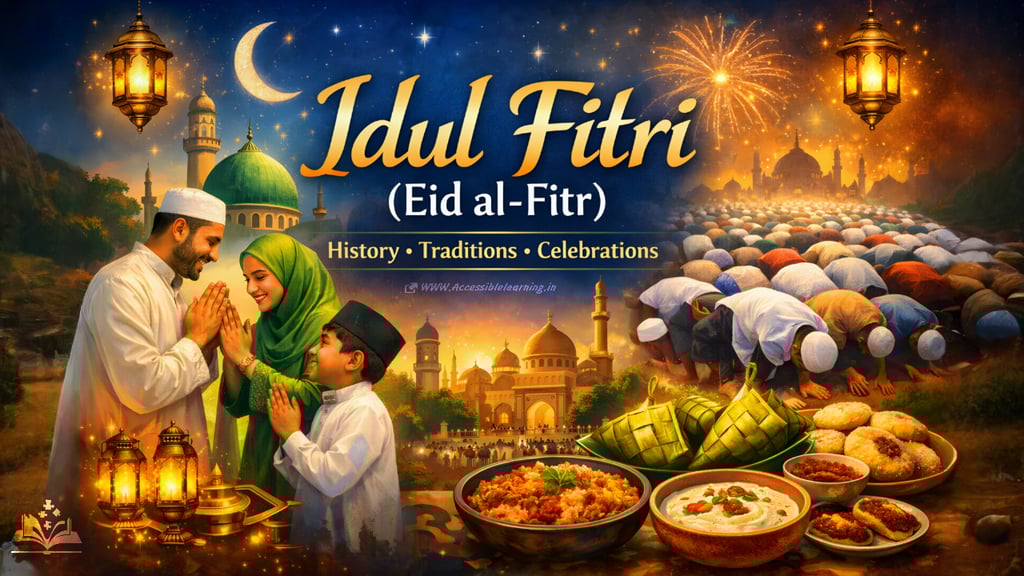
Idul Fitri, also known as Eid al-Fitr, is one of the most important Islamic festivals. It marks the end of Ramadan, the sacred month of fasting, prayer, self-discipline, and charity. Celebrated by Muslims across cultures and continents, Idul Fitri is both a spiritual milestone and a joyful community celebration.
The name Eid al-Fitr comes from Arabic, meaning “Festival of Breaking the Fast.” In countries such as Indonesia and Malaysia, the festival is commonly called Idul Fitri, while in Turkey it is known as Ramazan Bayramı.
Historical Origins of Idul Fitri
The celebration of Eid al-Fitr dates back to the time of the Prophet Muhammad in the 7th century. According to Islamic tradition, Eid was established after Muslims completed their first Ramadan fast in Medina. The Prophet encouraged the community to celebrate with prayer, charity, and joy, replacing older pre-Islamic festivals with days centered on gratitude and faith.
Over centuries, Idul Fitri traditions spread with Islamic civilization through Asia, Africa, and Europe. Each region added cultural flavors while keeping the religious foundation intact.
Spiritual Meaning of Idul Fitri
Idul Fitri is deeply connected to the spiritual lessons of Ramadan. During Ramadan, Muslims fast from dawn to sunset, avoiding food, drink, and harmful behavior. The goal is self-control, empathy for the less fortunate, and a stronger connection with Allah.
Idul Fitri represents:
Gratitude for completing Ramadan
Forgiveness and renewal
Charity and compassion
Unity among believers
Many Muslims spend the night before Eid in prayer, asking for acceptance of their fasts and good deeds.
The Role of Zakat al-Fitr
A key obligation before Eid prayer is Zakat al-Fitr, a form of charity given to the poor. It ensures that everyone, regardless of financial condition, can participate in Eid celebrations.
This charity is traditionally given as staple food items such as rice, wheat, or dates, or their monetary equivalent. It must be given before the Eid prayer so that families in need can prepare for the day. Zakat al-Fitr reinforces social equality and compassion, reminding communities that joy should be shared.
How Idul Fitri Day Begins
The morning of Eid starts early. Muslims perform ghusl (ritual purification), wear clean or new clothes, and gather for Eid prayer in mosques or open grounds.
The Eid prayer is followed by a sermon that emphasizes gratitude, kindness, and unity. Afterward, people greet each other warmly with phrases like “Eid Mubarak” or “Selamat Idul Fitri.”
Family, Forgiveness, and Social Bonds
One of the most meaningful parts of Idul Fitri is seeking forgiveness. Family members and friends ask each other for pardon for past mistakes. This tradition strengthens relationships and promotes emotional healing.
In many cultures, younger people bow to elders as a sign of respect. Elders often give small gifts or money to children, adding to the festive atmosphere.
Traditional Idul Fitri Foods
Food is an important part of Eid celebrations, and each culture prepares special dishes that are shared generously. Popular Eid foods include:
Ketupat and rendang in Indonesia and Malaysia
Sheer Khurma and seviyan in South Asia
Maamoul cookies in the Middle East
Biryani and kebabs in India and Pakistan
Sweet pastries and baklava in Turkey
These dishes reflect local culture while symbolizing generosity and hospitality.

Idul Fitri Around the World
Indonesia
Indonesia hosts the world’s largest Eid celebrations. The tradition of mudik, where millions travel back to their hometowns, creates one of the biggest annual migrations on earth.
India
In cities like Mumbai, Hyderabad, and Delhi, mosques overflow with worshippers. Markets sell new clothes, sweets, and gifts, while families host large feasts.
Middle East
Countries like Saudi Arabia and the UAE decorate streets with lights. Fireworks, charity drives, and public celebrations are common.
Turkey
Children visit neighbors and elders, receiving sweets and gifts. It is often called the “Sugar Feast.”
Africa
In countries like Nigeria and Egypt, Eid combines Islamic prayer with local music, clothing, and cuisine traditions.
Idul Fitri Clothing Traditions
Wearing clean or new clothes represents spiritual renewal. Traditional outfits vary by region:
Kurta pajamas and sherwanis in South Asia
Baju Kurung and Baju Melayu in Malaysia
Thobes in Arab countries
Kaftans in Africa
Colors are often bright and festive, symbolizing joy and hope.
Economic and Social Impact
Idul Fitri has a strong economic influence in many countries. Markets see increased shopping for clothing, food, decorations, and travel.
In Indonesia and Malaysia, Eid bonuses called THR (Tunjangan Hari Raya) are given to employees. In India, sweet shops and clothing markets experience peak sales. Charitable donations also rise significantly during Ramadan and Eid, helping communities in need.
Modern Celebrations in the Digital Age
Technology has changed how Eid is celebrated:
Video calls connect families across countries
Online charity platforms allow easy donations
Social media spreads Eid greetings worldwide
Businesses launch Eid-themed campaigns
Even with modern tools, the core values of Eid remain rooted in faith and community.
Idul Fitri and Cultural Harmony
In multicultural societies like India, Singapore, and Malaysia, Eid promotes interfaith understanding. Neighbors of different religions visit each other, share food, and exchange greetings. Public holidays for Eid in many countries allow communities to celebrate together, strengthening national unity.
Why Idul Fitri Dates Change Every Year
The Islamic calendar is lunar, based on moon cycles. It is about 10–11 days shorter than the solar calendar, so Eid moves earlier each year. Moon sighting methods differ by region, which is why Eid dates may vary between countries.


Common Idul Fitri Greetings,
Some popular greetings include:
Eid Mubarak
Selamat Idul Fitri
Happy Eid
Taqabbalallahu minna wa minkum
These greetings express blessings, peace, and goodwill.
The Lasting Message of Idul Fitri
Idul Fitri is not only a celebration after fasting. It is a reminder of patience, generosity, humility, and gratitude. It encourages people to carry Ramadan’s lessons into everyday life.
At its heart, Idul Fitri is about community, forgiveness, and hope. It brings families together, supports the needy, and spreads joy across cultures.
FAQ's
Q: Why is Idul Fitri called the “Festival of Breaking the Fast"?
Because it marks the end of Ramadan, when Muslims fast from dawn to sunset for an entire month. Idul Fitri is the first day they can eat normally again during daylight, celebrating the completion of a spiritual journey.
Q: Why do Eid dates change every year?
The Islamic calendar follows the lunar cycle, which is about 10–11 days shorter than the solar calendar. So Idul Fitri moves earlier each year in the Gregorian calendar.
Q: Why do some countries celebrate Eid on different days?
Because Eid depends on moon sighting. Different countries or communities may sight the moon on different nights, so Eid can vary by a day.
Q: Why must Zakat al-Fitr be given before Eid prayer?
It ensures that poor families can buy food and celebrate Eid with dignity. The charity must be distributed before the Eid prayer so everyone can join the celebration.
Q: Is fasting allowed on Idul Fitri?
No. Fasting on Eid day is not allowed because the day is meant for celebration, gratitude, and sharing meals with others.
Q: Why do people wear new clothes on Eid?
Wearing new or clean clothes symbolizes spiritual renewal after Ramadan. It represents a fresh start and gratitude for blessings.
Q: Why do Muslims hug or ask forgiveness on Eid?
Eid is a time for reconciliation. People ask forgiveness for past mistakes to strengthen relationships and start anew.
Q: Do children receive gifts on Idul Fitri?
Yes. In many cultures, children receive money or gifts called Eidi. It adds joy to the celebration and teaches generosity.
Q: What is the difference between Eid al-Fitr and Eid al-Adha?
Eid al-Fitr celebrates the end of Ramadan fasting. Eid al-Adha commemorates Prophet Ibrahim’s willingness to sacrifice and occurs about two months later during the Hajj season.
Q: How long do Idul Fitri celebrations last?
Religiously, Eid is one day, but celebrations often continue for 2–3 days or even a week depending on culture and family traditions.
Q: What makes Idul Fitri unique compared to other festivals?
Its focus on spiritual growth, charity, forgiveness, and community unity makes it more than just a celebration. It is a reminder of compassion and gratitude.
Q: Can non-Muslims participate in Idul Fitri celebrations?
Yes. Many Muslims invite friends and neighbors of all faiths to share meals and greetings. Saying “Eid Mubarak” is always appreciated.
Subscribe to Frontier Intelligence
All © Copyright reserved by Accessible-Learning Hub
| Terms & Conditions
Accessible Learning Hub — Actionable clarity for high-agency minds.
Weekly breakdowns on AI breakthroughs, capital flow, and human performance systems. Zero fluff.