

How to Build a Healthy Digital Lifestyle
In a world shaped by constant connectivity, building a healthy digital lifestyle is no longer optional. This article explores how to use technology consciously, protect attention, support mental and physical well-being, and prepare for a future where digital systems are deeply integrated into everyday life.
MODERN DISEASESA LEARNINGHEALTH/DISEASENEW YOUTH ISSUES
Shiv Singh Rajput
12/28/20255 min read
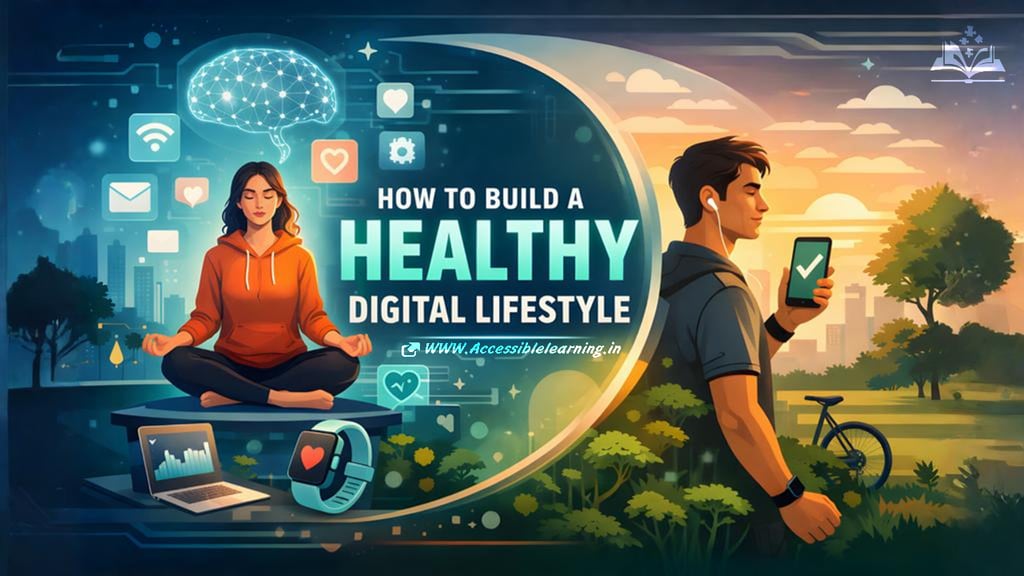
Technology has moved beyond being a tool we occasionally use. It now shapes how we think, work, relax, and connect with others. Phones, laptops, smart devices, and AI systems are woven into daily life, often without clear boundaries. A healthy digital lifestyle is about learning how to live intentionally in this environment so technology supports human well-being instead of slowly controlling it.
Building a healthy digital lifestyle is not about reducing screen time alone. It is about creating a sustainable relationship with technology that protects mental health, physical health, productivity, and personal identity in a fast-evolving digital future.
The Psychology Behind Digital Overuse
Many digital platforms are designed using behavioral psychology. Features like endless scrolling, autoplay, likes, and notifications activate the brain’s reward system. Each interaction releases small amounts of dopamine, encouraging repeated use.
Over time, this can lead to habitual checking, reduced attention span, and emotional dependence on digital feedback. Understanding this design helps remove guilt from the conversation. The challenge is not weak self-control but powerful systems built to capture attention. Awareness allows users to respond consciously instead of reacting automatically.
Digital Awareness as a Core Life Skill
Digital awareness means understanding how technology affects thoughts, emotions, and behavior. This includes recognizing emotional triggers such as stress, loneliness, or boredom that lead to excessive screen use.
By pausing and noticing these triggers, people can replace automatic scrolling with healthier responses like rest, movement, or reflection. In the future, digital literacy will not only mean knowing how to use tools but also knowing when and why to disengage.
Creating a Health-Oriented Digital Environment
The structure of your digital environment plays a major role in shaping habits. A cluttered and noisy digital space increases cognitive load and mental fatigue.
Healthy digital environments are simple, calm, and intentional. Reducing unnecessary apps, organizing digital files, and limiting visual stimulation helps remember that technology is a workspace, not a constant entertainment feed. When devices feel less chaotic, the mind follows.
This design-first approach will become even more important as augmented reality and immersive interfaces enter everyday life.
Deep Focus in an Age of Distraction
Modern digital culture encourages constant switching between tasks. While this feels productive, it often reduces efficiency and increases mental exhaustion.
Deep focus allows the brain to work at its highest level. Protecting focus means reducing interruptions, limiting multitasking, and allowing the mind to stay with one task long enough to produce meaningful results. Long-term focus is also linked to creativity, problem-solving, and emotional satisfaction.
As future jobs demand more complex thinking, focus will become a competitive advantage.
Digital Boundaries and Identity Protection
Without boundaries, digital life can slowly erase personal space. Work messages arrive late at night, social media follows every free moment, and personal identity becomes tied to online presence.
Healthy boundaries protect time, energy, and self-worth. This includes separating work and personal digital spaces, limiting exposure to comparison-driven content, and remembering that online identity is only a small part of who you are.
Maintaining a clear sense of self will be increasingly important in an era of avatars, virtual spaces, and algorithmic profiles.
Technology, Sleep, and Biological Rhythms
Digital habits strongly influence sleep quality. Blue light exposure, late-night notifications, and constant mental stimulation interfere with natural sleep cycles.
A healthy digital lifestyle respects biological rhythms. Reducing screen use before bedtime, creating technology-free sleep environments, and allowing the brain to wind down improves memory, mood, and physical recovery.
As wearable technology grows, understanding how digital behavior affects the body will become essential for long-term health.
Physical Health in a Digital World
Extended device use affects posture, eyesight, and movement. Sitting for long periods and repetitive motions can lead to chronic pain and fatigue.
Healthy digital living includes regular movement, ergonomic awareness, and conscious breaks from screens. Integrating physical activity into daily routines counteracts the physical costs of digital work and supports overall energy levels.
Future work environments will increasingly combine digital efficiency with physical well-being.
Emotional Well-being and Online Interaction
Digital communication connects people globally, but it can also increase feelings of isolation. Passive content consumption and surface-level interactions often lack emotional depth.
Prioritizing meaningful digital connections supports emotional health. This means choosing quality conversations over endless feeds and using technology to strengthen real relationships instead of replacing them.
A healthy digital lifestyle values emotional nourishment over constant engagement.

Using AI and Smart Technology Wisely
The future of digital life includes AI assistants, smart homes, and personalized systems. These tools can reduce mental load and improve efficiency when used thoughtfully.
Healthy use means allowing technology to assist with planning, organization, and learning without surrendering decision-making or self-awareness. The goal is collaboration, not dependency.
As AI becomes more integrated, digital responsibility will be as important as digital skill.
Building a Strong Offline Foundation
The strongest digital habits are built on a fulfilling offline life. Physical activity, creativity, social interaction, and time in nature provide balance that technology cannot replicate.
When offline life feels rich and meaningful, digital use naturally becomes more intentional. Technology becomes a complement, not an escape.
Preparing for a Digitally Integrated Future
The future will bring deeper digital immersion through virtual environments, wearable interfaces, and AI-driven personalization. Preparing for this future requires strong internal boundaries and conscious habits.
A healthy digital lifestyle is not a fixed system. It evolves with technology and personal growth. By developing awareness, focus, balance, and self-control today, individuals can remain grounded no matter how advanced digital systems become.
In a world where attention is constantly pulled outward, building a healthy digital lifestyle is ultimately an act of self-respect. It allows people to benefit from technology while staying connected to their values, health, and humanity.
FAQ's
Q: What does a healthy digital lifestyle really mean?
A healthy digital lifestyle means using technology intentionally so it supports mental health, physical well-being, productivity, and relationships. It is not about avoiding screens but about maintaining control over how and why digital tools are used.
Q: How much screen time is considered healthy?
There is no universal number that works for everyone. Healthy screen time depends on purpose, context, and balance. Productive or creative use is very different from passive scrolling. The key indicator is how digital use affects focus, mood, sleep, and daily life.
Q: Can digital overuse affect mental health?
Yes. Excessive and unintentional digital use has been linked to anxiety, reduced attention span, sleep problems, and emotional fatigue. Constant exposure to notifications and comparison-driven content can increase stress and lower overall well-being.
Q: Is digital detox necessary for building healthy habits?
Short-term digital detoxes can be helpful for awareness, but they are not a long-term solution. Sustainable habits come from mindful use, clear boundaries, and intentional design of digital environments rather than complete avoidance.
Q: How can I improve focus in a highly digital environment?
Improving focus involves reducing distractions, limiting multitasking, setting uninterrupted work periods, and consuming long-form content. Training the brain to focus deeply is essential in a world filled with constant digital stimulation.
Q: Can technology actually support a healthy lifestyle?
Yes, when used consciously. Productivity tools, health trackers, and AI assistants can reduce mental load and support better habits. The key is using technology as a support system rather than allowing it to control daily behavior.
Q: How will future technologies impact digital well-being?
Future technologies like AI, augmented reality, and wearable devices will increase digital immersion. This makes digital self-awareness, boundary-setting, and attention control even more important skills for maintaining long-term well-being.
Q: What is the most important habit for digital health?
The most important habit is awareness. When people understand how technology affects their behavior and emotions, they can make intentional choices that support balance, health, and personal growth.
Subscribe to Frontier Intelligence
All © Copyright reserved by Accessible-Learning Hub
| Terms & Conditions
Accessible Learning Hub — Actionable clarity for high-agency minds.
Weekly breakdowns on AI breakthroughs, capital flow, and human performance systems. Zero fluff.