

How the Gut–Brain–Immune Axis Is Redefining Modern Healthcare
Explore the gut–brain–immune axis and how it reshapes modern healthcare. Learn how your gut, brain, and immune system interact and influence mental and physical health and why this signals the shift toward integrated, systems-based medicine.
HEALTH/DISEASENEW YOUTH ISSUES
Marshall
4/21/20266 min read
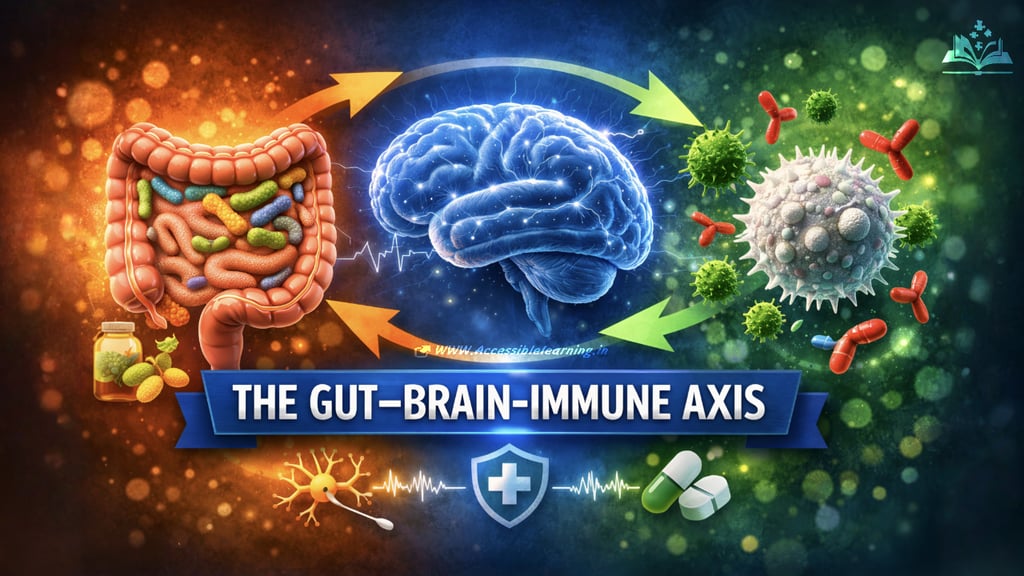
Modern medicine has been built on specialization. It made progress faster, but it also created silos. The gut–brain–immune axis is one of the clearest signs that this model is evolving. Instead of isolated systems, we now see a networked biology where digestion, cognition, and immunity continuously influence each other.
This shift is not just theoretical. It is redefining diagnostics, treatment strategies, and even how we think about prevention.
Expanding the Axis: Beyond Three Systems
While the core model focuses on the gut, brain, and immune system, newer research shows this axis is part of an even larger network that includes
The endocrine system (hormones like cortisol and insulin)
The metabolic system (energy balance, glucose regulation)
The circadian system (your biological clock)
This expanded model is sometimes referred to as the “multi-axis network," where disruption in one node can cascade across the entire system.
The Role of the Vagus Nerve in Depth
The vagus nerve is not just a communication pathway. It acts like a real-time regulator.
What makes it critical:
It carries signals from gut to brain faster than hormonal pathways
It modulates inflammation through something called the cholinergic anti-inflammatory pathway
It helps regulate heart rate, digestion, and emotional responses
Low vagal tone (poor vagus nerve function) has been linked to:
Chronic inflammation
Anxiety disorders
Digestive dysfunction
Improving vagal tone through breathwork, cold exposure, or mindfulness is now being explored as a therapeutic tool.
The Microbiome as an “Organ”
Scientists increasingly treat the gut microbiome as a functional organ rather than just a collection of microbes.
Why this matters:
It has its own metabolic activity
It adapts to environmental inputs (diet, stress, toxins)
It can influence gene expression in the host (epigenetics)
Each person’s microbiome is as unique as a fingerprint. This individuality is why two people can eat the same diet and experience completely different health outcomes.
Early-Life Programming: Where It All Begins
The gut–brain–immune axis starts developing at birth.
Key influences:
Mode of delivery (vaginal birth vs. C-section)
Breastfeeding vs. formula feeding
Early antibiotic exposure
Environmental microbial exposure
These early factors shape:
Immune tolerance
Stress response systems
Microbial diversity
Disruptions during this window may increase long-term risks of allergies, autoimmune diseases, and even neurodevelopmental conditions.
Psychoneuroimmunology: The Science Behind the Axis
A growing field called psychoneuroimmunology studies how psychological processes interact with the nervous and immune systems.
Core insights:
Emotional stress can trigger measurable immune changes
Immune activation can alter mood and behavior
Chronic inflammation is linked to mental health disorders
This field provides the scientific backbone for understanding why mental and physical health cannot be separated.
The Gut Barrier and Systemic Impact
The intestinal lining acts as a selective barrier. When functioning properly, it allows nutrients in while keeping harmful substances out.
When compromised:
Bacterial fragments (like lipopolysaccharides) enter the bloodstream
The immune system activates aggressively
Chronic low-grade inflammation develops
This process is now being studied in connection with:
Insulin resistance
Cardiovascular disease
Cognitive decline
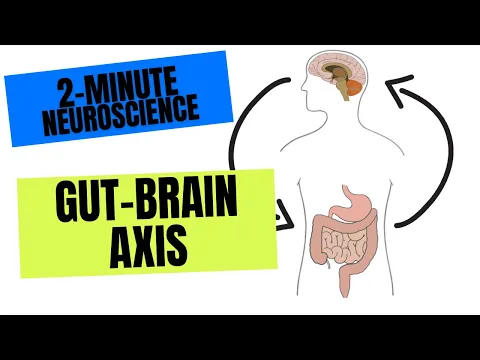
Neuroinflammation: The Missing Link
One of the most important emerging concepts is neuroinflammation.
What happens:
Immune signals from the gut trigger inflammation in the brain
This affects neurotransmission and neural plasticity
It may contribute to conditions like depression and brain fog
This explains why treating inflammation in the body can sometimes improve mental clarity and mood without direct psychiatric intervention.
The Gut–Brain Axis in Sleep Regulation
Sleep is deeply tied to this axis.
Key connections:
Gut microbes follow circadian rhythms
They influence melatonin production indirectly
Poor sleep alters microbiome composition within days
Disrupted sleep can:
Increase gut permeability
Elevate inflammatory markers
Impair cognitive function
This creates a feedback loop where poor sleep worsens gut health, which in turn further disrupts sleep.
Diet–Microbiome Interactions at a Deeper Level
It’s not just what you eat, but also how your microbiome processes it.
Advanced insights:
Fiber is fermented into short-chain fatty acids that regulate immunity
Polyphenols (from foods like berries and tea) act as prebiotics for specific microbes
Artificial sweeteners may negatively alter microbial composition in some individuals
Personalized nutrition based on microbiome profiling is becoming a growing field.
The Role of Environmental Exposures
Modern lifestyles have introduced new variables into this axis:
Key disruptors:
Air pollution
Microplastics
Pesticides and food additives
Chronic psychological stress
These factors can:
Alter gut microbiota
Trigger immune dysregulation
Affect brain signaling pathways
This is one reason chronic diseases are rising globally despite medical advancements.
Emerging Therapies Targeting the Axis
Healthcare is beginning to move from symptom suppression to system regulation.
Innovations include:
Psychobiotics: Specific probiotic strains designed to influence mental health.
Fecal Microbiota Transplantation (FMT): Used in certain conditions to restore microbial balance.
Vagus Nerve Stimulation (VNS): A clinical technique used for depression and epilepsy, now being explored for inflammatory diseases.
Precision Nutrition: Diet plans tailored to an individual’s microbiome and metabolic response.
Rethinking Diagnostics
Traditional diagnostics often miss system-wide dysfunction. New approaches include:
Microbiome sequencing
Inflammatory marker panels
Metabolomics (studying metabolic byproducts)
Gut permeability testing
These tools aim to identify dysfunction before disease fully develops.
The Economic and Clinical Impact
The fragmentation of medicine has real-world consequences:
Patients often see multiple specialists without integrated care
Treatments may conflict or overlook root causes
Chronic diseases become long-term management problems rather than solvable conditions
A systems-based approach could:
Reduce healthcare costs
Improve long-term outcomes
Shift focus toward prevention
The Cultural Shift in Healthcare Thinking
We are moving from:
Reductionism (breaking the body into parts)
toSystems biology (understanding interactions)
This doesn’t eliminate specialization. It reframes it within a connected model. The best future clinicians won’t just know their field. They’ll understand how it connects to everything else.

The gut–brain–immune axis is not just another medical concept. It’s a signal that the way we understand the human body is changing. Health is no longer about fixing isolated problems. It’s about maintaining balance across interconnected systems.
As this understanding deepens, medicine will become less about departments and more about patterns, networks, and relationships. And that shift may be one of the most important transformations in modern healthcare.
FAQ's
Q: What is the gut–brain–immune axis in simple terms?
The gut–brain–immune axis is a communication network linking your digestive system, brain, and immune system. These systems constantly exchange signals through nerves, hormones, and immune pathways, meaning changes in one can directly affect the others.
Q: How does gut health affect mental health?
Gut microbes produce and regulate neurotransmitters like serotonin and dopamine. An imbalance in the gut microbiome can influence mood, stress response, and cognitive function, contributing to conditions like anxiety and depression.
Q: Why is the immune system closely linked to the gut?
Around 70% of the immune system is located in the gut. The gut acts as a training ground where immune cells learn to distinguish between harmful pathogens and beneficial microbes, making gut health essential for overall immunity.
Q: What are the symptoms of an imbalanced gut–brain–immune axis?
Common signs include:
Digestive issues (bloating, IBS, constipation)
Brain fog and poor concentration
Frequent infections or low immunity
Mood disorders like anxiety or depression
Chronic fatigue and inflammation
Q: Can improving gut health boost immunity and brain function?
Yes. Supporting gut health through diet, stress management, and sleep can enhance immune response and improve mental clarity, mood stability, and overall cognitive performance.
Q: What foods support the gut–brain–immune axis?
Foods that help include:
Fiber-rich foods (vegetables, fruits, whole grains)
Fermented foods (yogurt, kimchi, kefir)
Omega-3-rich foods (nuts, seeds, fatty fish)
Polyphenol-rich foods (berries, green tea, dark chocolate)
These support microbial diversity and reduce inflammation.
Q: What is gut dysbiosis, and why does it matter?
Gut dysbiosis refers to an imbalance in the microbiome where harmful microbes outnumber beneficial ones. This can disrupt immune function, increase inflammation, and negatively affect brain health.
Q: How does stress impact the gut–brain–immune axis?
Chronic stress alters gut bacteria, weakens the gut barrier, and triggers inflammation. It also disrupts communication between the brain and immune system, leading to both physical and mental health issues.
Q: Is the gut–brain–immune axis linked to chronic diseases?
Yes. It has been associated with conditions such as:
Irritable Bowel Syndrome (IBS)
Autoimmune diseases
Depression and anxiety
Metabolic disorders
Neurodegenerative conditions (emerging research)
Q: What are psychobiotics, and how do they work?
Psychobiotics are specific probiotics that influence brain function. They work by modulating gut bacteria, reducing inflammation, and affecting neurotransmitter production, potentially improving mood and stress resilience.
Q: Can poor sleep disrupt the gut–brain–immune axis?
Yes. Poor sleep negatively affects gut microbiota, increases inflammation, and disrupts hormonal balance, which in turn impacts brain function and immune response.
Q: Why is modern medicine shifting away from departmental treatment?
Because many diseases involve multiple interconnected systems, treating them in isolation often misses the root cause. The gut–brain–immune axis highlights the need for a more integrated, systems-based approach to healthcare.
Q: How long does it take to improve the gut–brain–immune axis?
Some changes, like improved digestion or energy levels, can appear within days to weeks. However, long-term balance and microbiome diversity typically take consistent lifestyle changes over several months.
Q: Are probiotics enough to fix the gut–brain–immune axis?
Not alone. While probiotics can help, true balance requires a combination of:
Diet
Lifestyle habits
Stress management
Sleep quality
A holistic approach is far more effective than relying on supplements alone.
Q: What is the future of treatments targeting this axis?
Future treatments are expected to include:
Personalized microbiome-based therapies
Advanced diagnostics (microbiome and metabolite testing)
Targeted nutrition plans
Integrated mental and physical healthcare approaches
This represents a major shift toward precision and systems-based medicine.
Subscribe to Frontier Intelligence
All © Copyright reserved by Accessible-Learning Hub
| Terms & Conditions
Accessible Learning Hub — Actionable clarity for high-agency minds.
Weekly breakdowns on AI breakthroughs, capital flow, and human performance systems. Zero fluff.