

How Dynasty Trusts Actually Work: The Legal Architecture of Generational Wealth
Learn how dynasty trusts actually work, including estate tax planning, GST tax, asset protection, trustees, holding companies, and the legal strategies families use to preserve wealth across generations.
FINANCE, MARKETS & ECONOMY
Shiv Singh Rajput
7/17/20269 min read
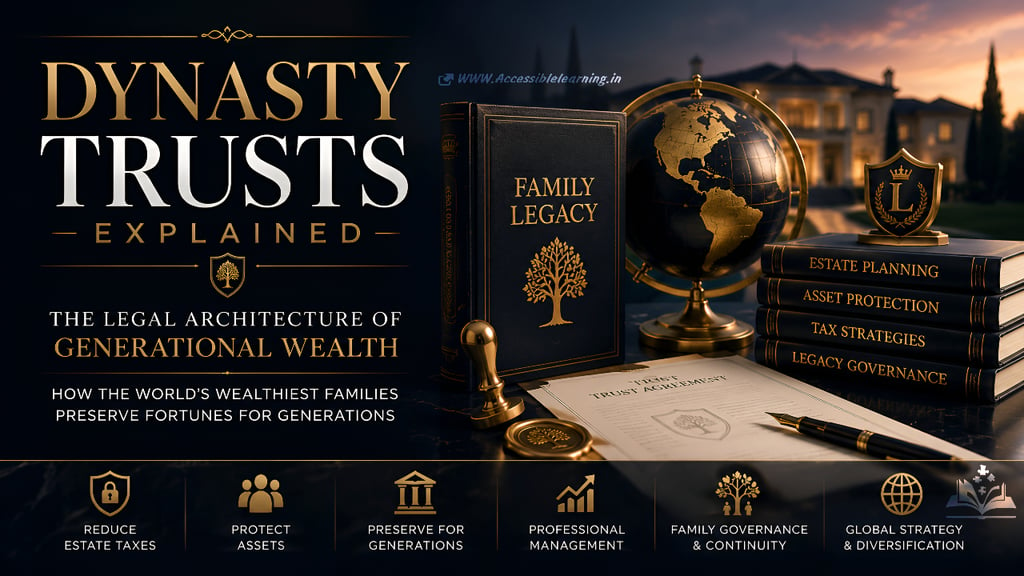
Dynasty trusts allow families to reduce or eliminate repeated estate taxation across multiple generations by transferring assets into an irrevocable trust that legally owns those assets for decades or even centuries. Because beneficiaries generally do not own the trust property directly, those assets can avoid being included in each generation's taxable estate while remaining professionally managed under carefully drafted legal rules.
Unlike ordinary inheritances, dynasty trusts are not simply about giving money to children. They are sophisticated legal structures designed to preserve ownership, manage investment decisions, protect assets from creditors, reduce transfer taxes where legally permitted, and maintain family governance over extremely long periods.
Why Dynasty Trusts Exist
Dynasty trusts emerged because wealthy families recognized that investment returns alone could not preserve fortunes across generations. Historically, large estates were repeatedly diminished by estate taxes, fragmented inheritances, family disputes, poor financial decisions, and forced sales of family businesses.
Rather than allowing ownership to pass directly from parent to child every generation, dynasty trusts were designed to create a continuous legal owner capable of surviving the death of individual family members. This allows businesses, investment portfolios, and real estate holdings to remain under unified ownership while future generations benefit economically without repeatedly restructuring ownership.
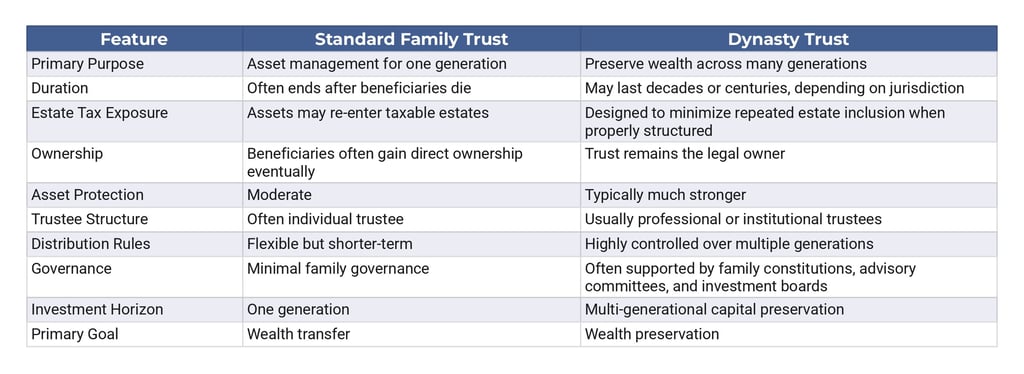
Dynasty Trusts Are Legal Systems, Not Investment Products
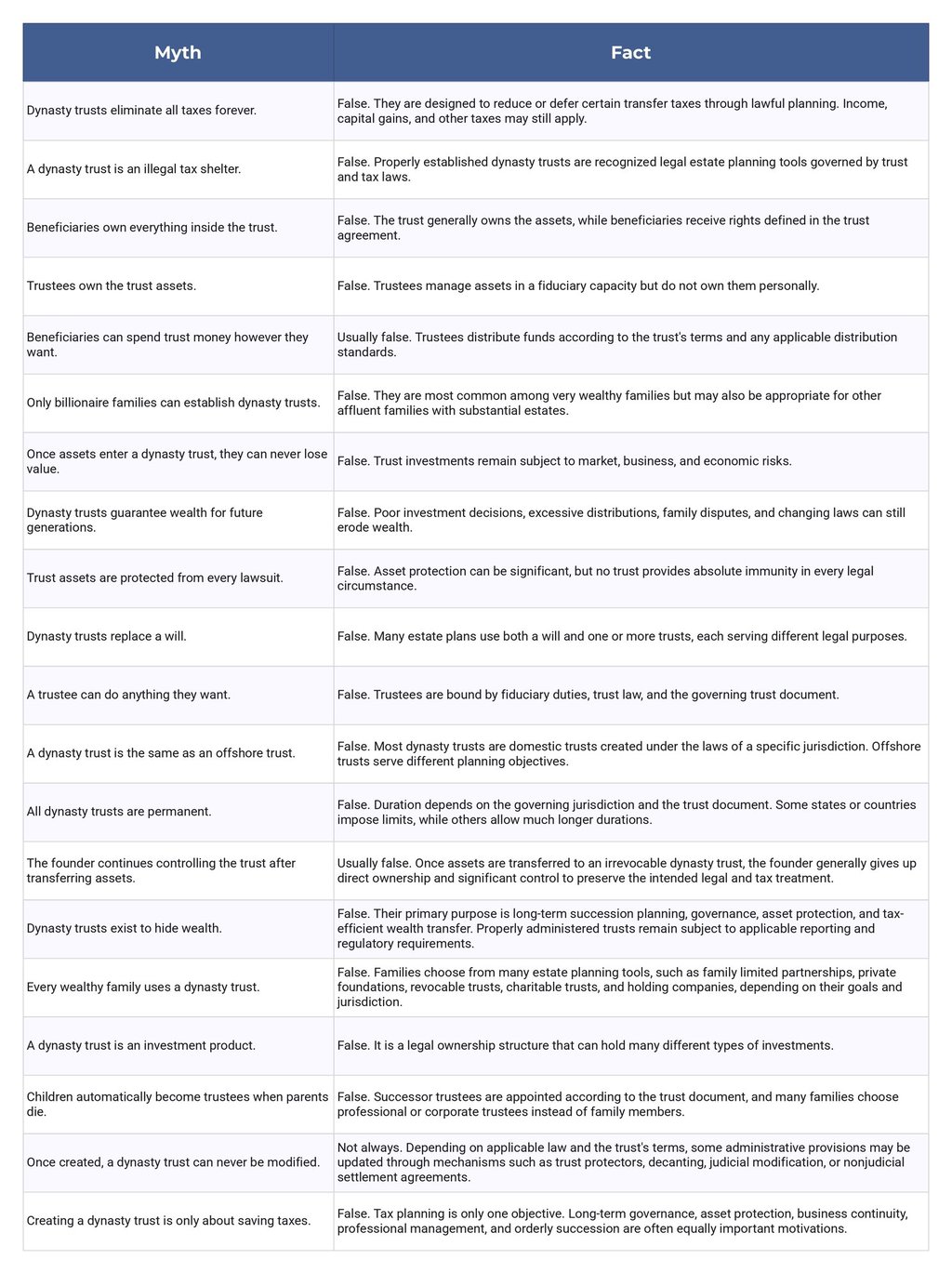
One of the biggest misconceptions is that a dynasty trust is a financial investment. It is not. A dynasty trust is a legal ownership framework.
Think of it as the operating system that controls:
ownership
taxation
distributions
governance
succession
asset protection
The investments inside the trust can continuously change while the legal structure remains intact for generations.
The Core Legal Architecture
A simplified structure typically looks like this:
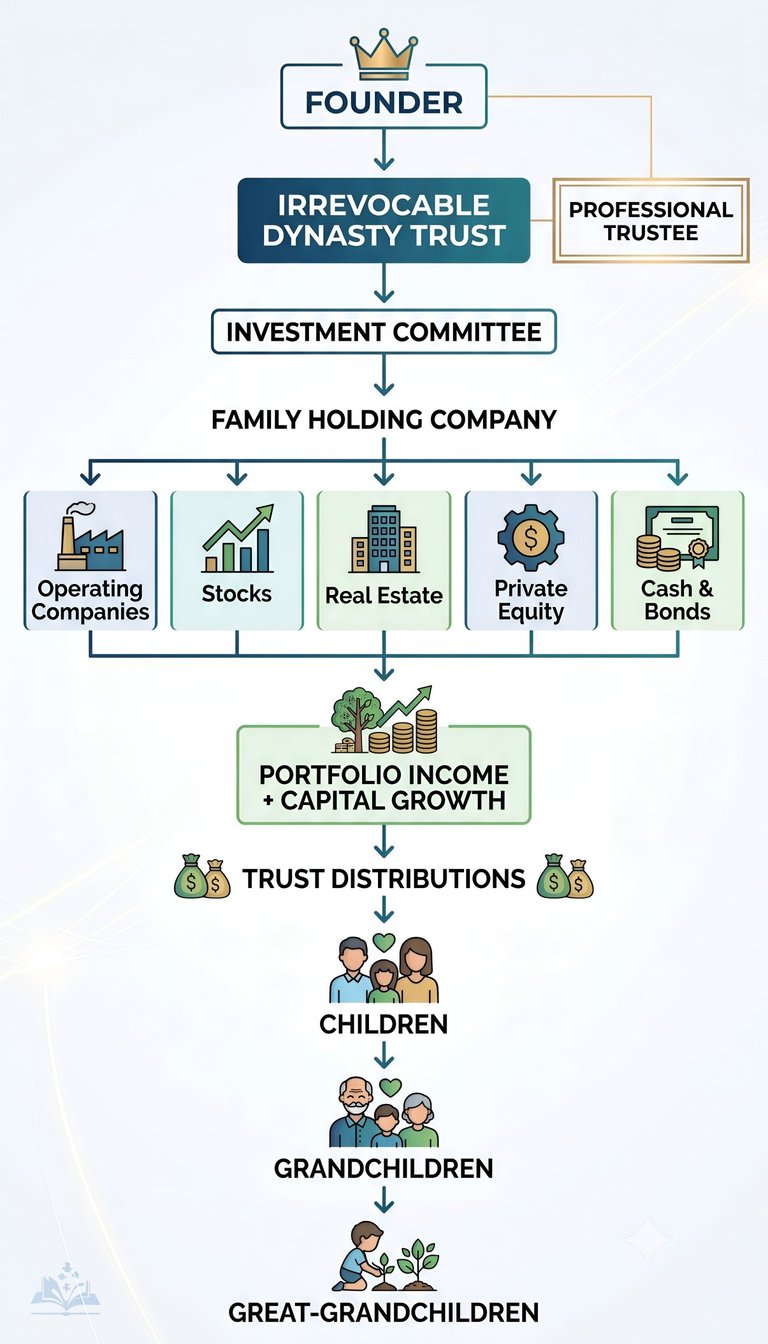
Notice something important:
The family often does not personally own most of these assets.
The trust does.
That legal distinction is what makes the structure so powerful.
Step 1: Assets Move Into an Irrevocable Trust
The first stage is the transfer.
The founder contributes assets such as the following:
operating businesses
stock portfolios
commercial real estate
intellectual property
private equity
cash reserves
After transfer:
the founder generally cannot reclaim ownership
the trust becomes the legal owner
future appreciation usually occurs outside the founder's taxable estate
This is one of the most important mechanisms in estate planning.
Step 2: The Trust Never Dies
Individuals die. Trusts often do not.
Many U.S. states have modified or abolished the historical Rule Against Perpetuities, allowing certain dynasty trusts to continue for extremely long periods. Other jurisdictions impose different duration limits.
Instead of transferring ownership every generation:
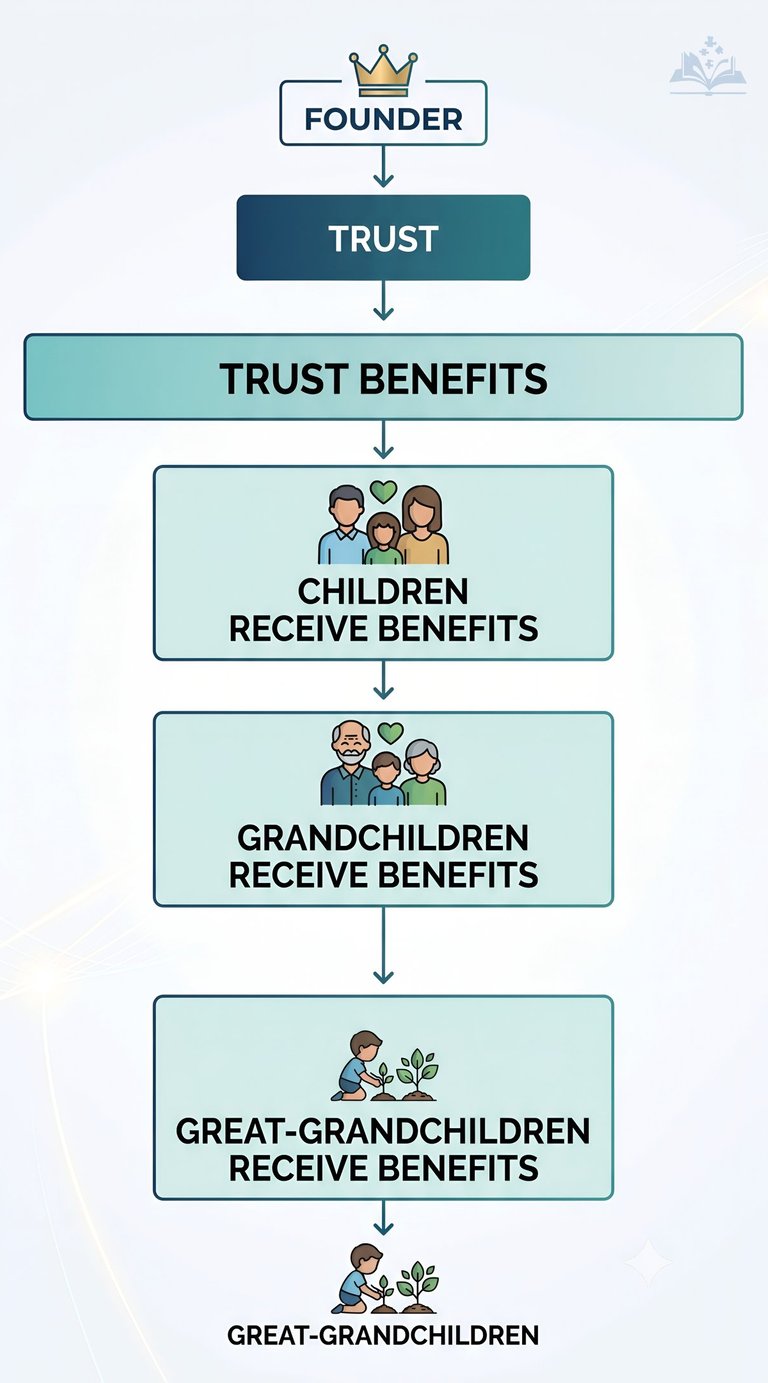
Ownership stays inside the trust. This greatly reduces repeated wealth fragmentation.
Step 3: Beneficiaries Receive Benefits Instead of Ownership
This is perhaps the least understood principle.
Beneficiaries often receive:
income
education funding
healthcare expenses
business capital
housing assistance
discretionary distributions
But they frequently never receive unrestricted ownership of the underlying capital.
That distinction protects wealth from:
lawsuits
divorces
creditors
bankruptcy
poor financial decisions
The capital continues serving future generations.
Step 4: Professional Trustees Control Administration
Ultra-high-net-worth families rarely rely on a single relative.
Instead they appoint:
trust companies
banks
fiduciary professionals
attorneys
accountants
Their responsibilities include:
enforcing trust terms
tax compliance
investment oversight
record keeping
beneficiary administration
The trustee owes fiduciary duties to the beneficiaries and must follow the governing trust document.
Step 5: Investment Committees Separate Family from Portfolio Management
Many large family trusts create investment governance systems.
Typical participants include:
portfolio managers
tax attorneys
economists
private equity specialists
independent advisors
This reduces emotional investing.
Capital allocation becomes systematic rather than personal.
Step 6: Holding Companies Centralize Ownership
Instead of the trust owning hundreds of assets directly, it often owns a holding company.
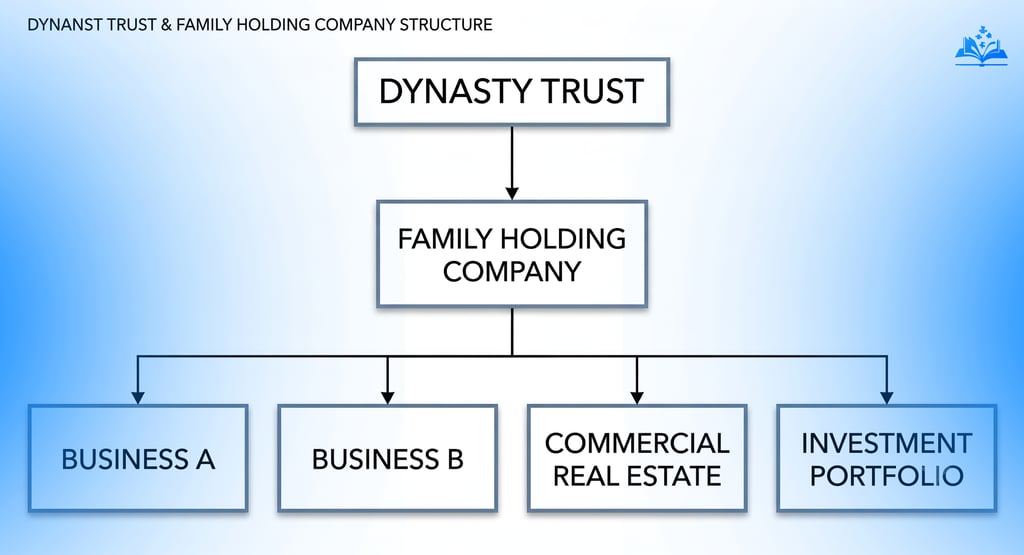
Advantages include:
centralized governance
simplified accounting
easier succession
liability compartmentalization
efficient capital allocation
Why Estate Taxes Can Be Reduced Across Generations
Without planning:
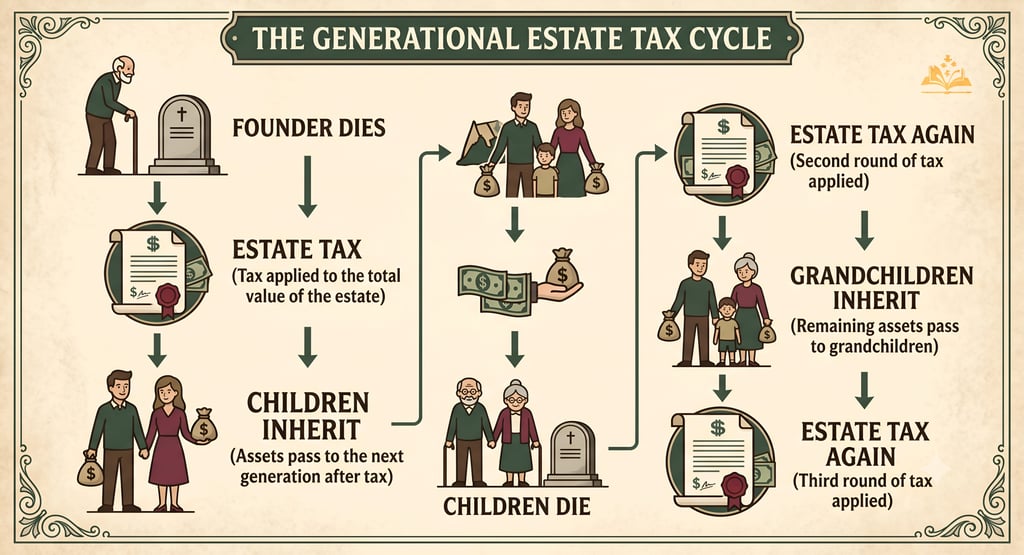
With a properly structured dynasty trust:
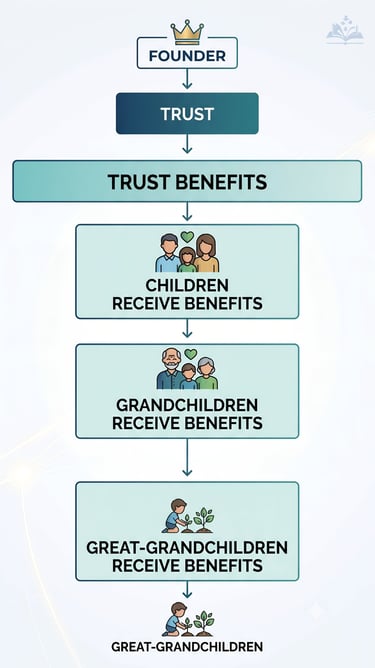
Because the trust continues owning the property, properly structured assets may avoid repeated inclusion in each beneficiary's taxable estate, subject to applicable tax law, exemptions, and jurisdiction-specific rules.
This is the central mechanism that distinguishes dynasty trusts from ordinary inheritance planning.
The Four Pillars of Multi-Generational Wealth Preservation



Beyond the Trust: The Broader Wealth Architecture
Dynasty trusts are rarely used alone. Large family wealth structures often integrate additional components.
Family Holding Companies
These centralize ownership across multiple businesses and investments while separating operating risk from family ownership.
Corporate Philanthropy
Private foundations and charitable entities can support long-term philanthropic goals, family governance, and succession education. They are not tax shelters in themselves and remain subject to extensive legal regulation.
Family Offices
Single-family or multi-family offices coordinate the following:
accounting
tax planning
investment reporting
risk management
estate planning
philanthropy
education for future generations
Global Banking Relationships
International families may maintain banking relationships across multiple jurisdictions for diversification, liquidity, and operational efficiency. These arrangements remain subject to applicable tax reporting, anti-money laundering, and cross-border regulatory requirements.
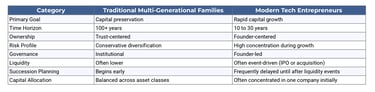
Why Wealth Usually Disappears by the Third Generation
Research and family office experience often identify recurring behavioral rather than investment failures.
Common causes include:
fragmented ownership
excessive distributions
poor governance
family conflict
lack of financial education
concentrated investment risk
absence of succession planning
Dynasty trusts address many of these governance challenges, but they are not a guarantee of perpetual wealth.
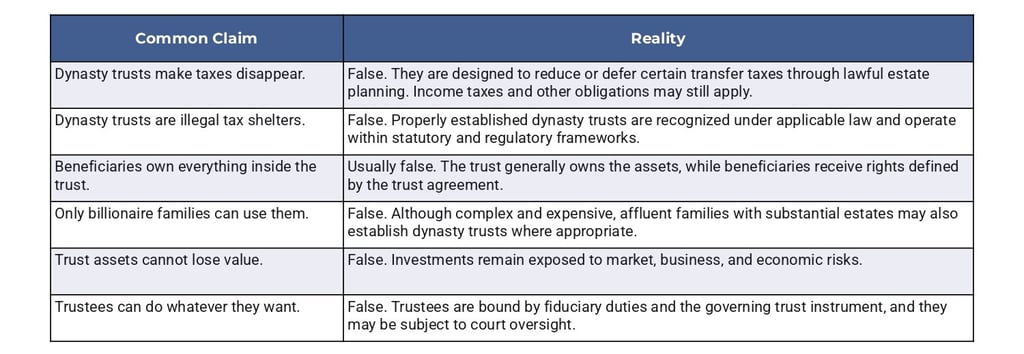

Generation-Skipping Transfer (GST) Tax
This is probably the biggest omission. Every article discussing dynasty trusts should explain it. Add after the Estate Tax section.
The Role of the Generation-Skipping Transfer Tax
The United States imposes a Generation-Skipping Transfer (GST) Tax to prevent families from avoiding estate taxes simply by transferring wealth directly to grandchildren or later generations.
A properly structured dynasty trust often allocates the founder's available GST tax exemption when funded. If structured correctly under applicable law, future appreciation inside the trust may continue benefiting later generations without triggering repeated GST taxation.
This exemption is one of the principal tax mechanisms that distinguishes dynasty trusts from conventional estate planning.
Spendthrift Clauses
This is another huge legal mechanism. After Beneficiaries Receive Benefits.
Spendthrift Provisions
Most dynasty trusts include spendthrift clauses.
These provisions generally prohibit beneficiaries from:
assigning future trust income
pledging distributions as collateral
selling future interests
allowing most creditors to seize trust assets before distribution
These clauses provide an additional layer of asset protection and help preserve trust capital from financial mismanagement.
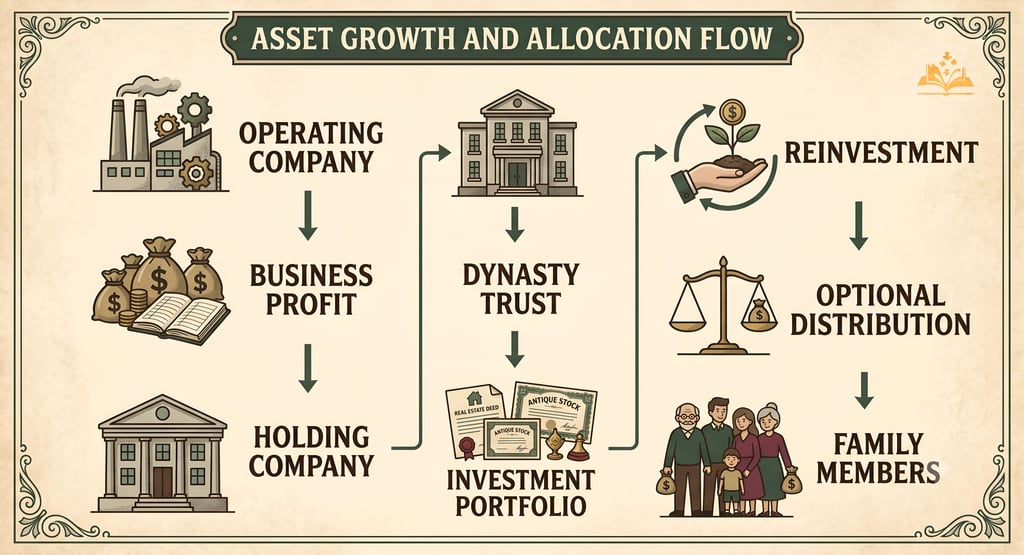
How Money Actually Flows
Readers understand diagrams. They don't understand cash flow.
Example:
Distribution Standards
Readers never understand who decides. Explain it. Example:
Typical distribution standards include the following:
Health
Education
Maintenance
Support
Often called the HEMS Standard.
Trustees frequently use these standards to determine when discretionary distributions are appropriate while preserving trust assets for future generations.
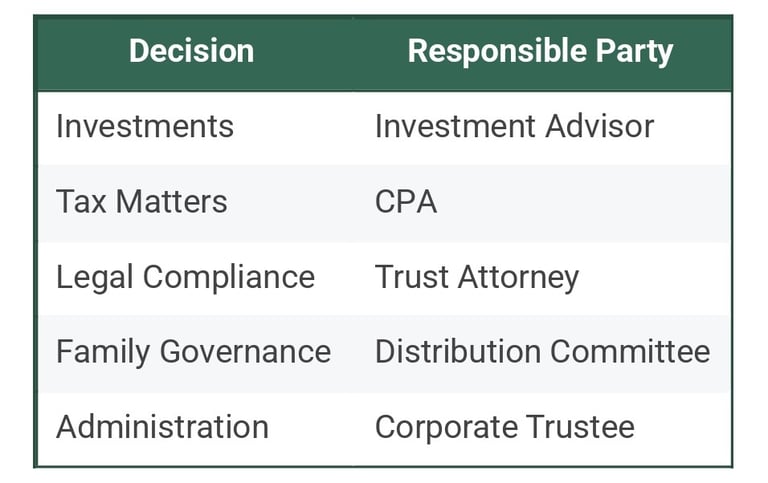
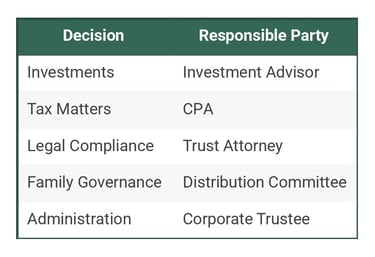
Directed Trusts
Modern dynasty trusts increasingly use Directed Trusts. This deserves a section.
Example:
Instead of giving one trustee complete authority, responsibilities may be divided.
This specialization reduces conflicts of interest and allows experts to oversee their respective areas.

Trust Protector
Almost every sophisticated dynasty trust now includes one. Add after the Trustee section.
The Trust Protector
Many modern dynasty trusts appoint a Trust Protector, an independent individual or committee with limited oversight powers.
Depending on the governing document, a Trust Protector may be authorized to:
replace trustees
resolve administrative disputes
respond to changes in tax law
modify technical trust provisions where permitted
preserve the founder's long-term objectives
Unlike trustees, Trust Protectors generally do not manage investments directly.
Asset Allocation Strategy
After Investment Committee. This is missing.
Example table:
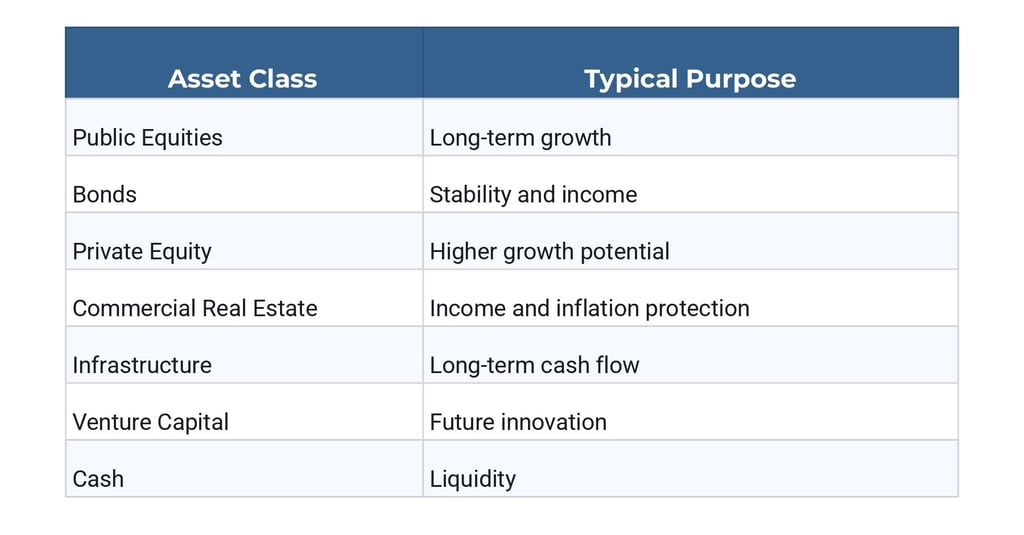
Explain:
Large family trusts rarely depend on a single investment. Their objective is not to maximize returns every year but to create resilient portfolios capable of surviving recessions, inflation, geopolitical shocks, and changing market cycles.
Governance Documents
Most articles never mention this. Families often maintain documents beyond the trust itself.
Examples include:
Family Constitution
Investment Policy Statement (IPS)
Succession Plan
Philanthropic Charter
Family Employment Policy
Conflict Resolution Policy
These documents reduce ambiguity and provide consistent guidance as family membership expands over generations.
Jurisdiction Matters
After explaining the duration. Explain why South Dakota, Delaware, Nevada, Wyoming, and Alaska attract many U.S. dynasty trusts.
Topics include:
trust duration
state income tax
privacy rules
asset protection statutes
directed trust laws

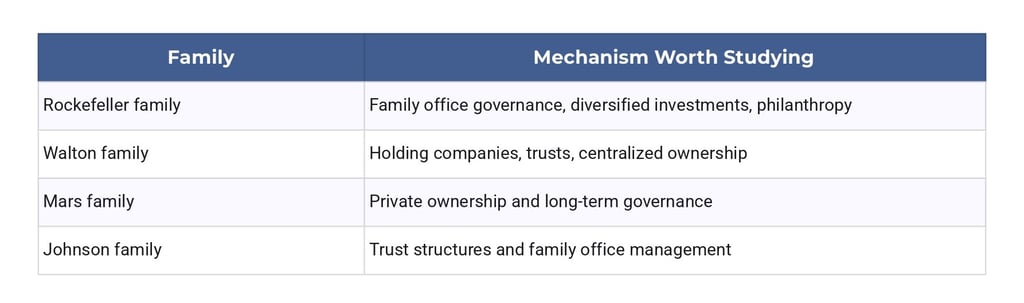
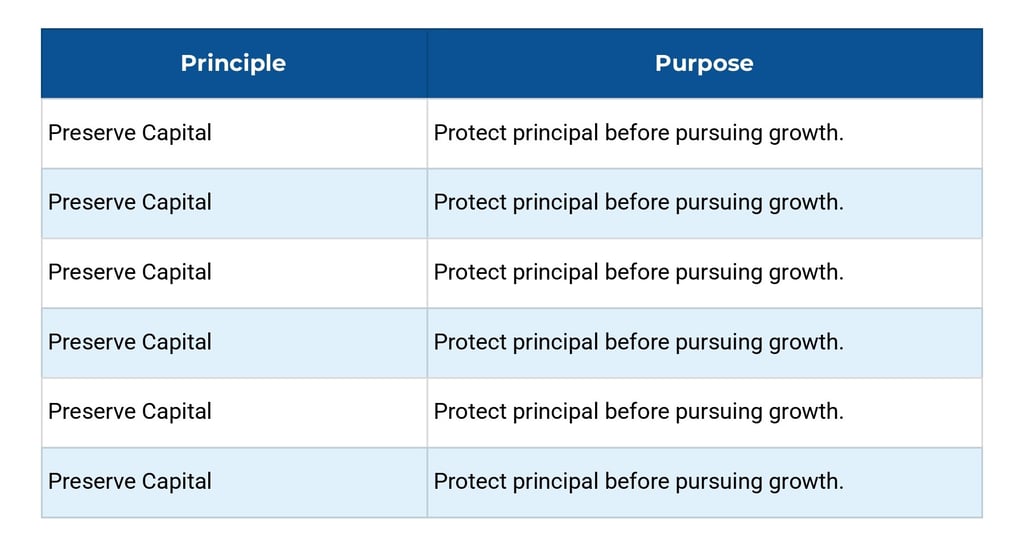
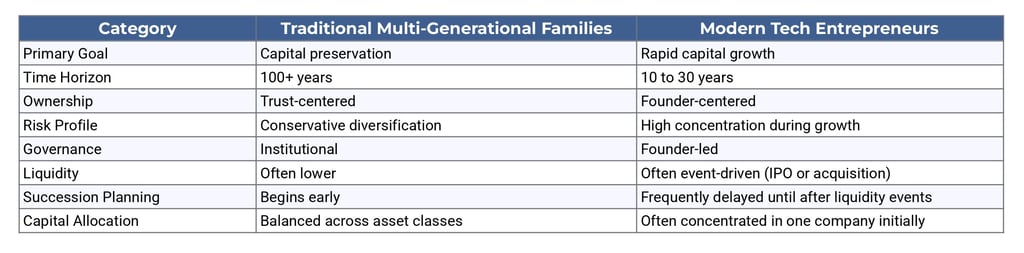
What Modern Wealth Builders Can Learn
Even entrepreneurs without billion-dollar fortunes can apply several enduring principles.
Separate Ownership From Management
A business owner does not necessarily need to personally own every appreciating asset indefinitely. Appropriate legal structures can improve continuity and succession planning.
Build Governance Early
Successful families often invest as much in decision-making systems as they do in investments.
Diversify After Liquidity
Many fortunes disappear because founders remain overly concentrated in a single asset after a major liquidity event.
Think in Decades, Not Years
Multi-generational wealth planning emphasizes resilience over short-term performance.
Educate Future Generations
Financial literacy, stewardship, and clearly defined governance are often as important as investment returns.
Key Takeaways
Dynasty trusts are not secret financial products or loopholes that magically create wealth. They are sophisticated legal frameworks that separate ownership from beneficial enjoyment, enabling long-term governance, professional management, asset protection, and more efficient intergenerational wealth transfer where permitted by law.
The families that preserve wealth for a century typically rely on more than successful investing. They combine carefully drafted trust structures, institutional governance, diversified asset allocation, disciplined succession planning, and long-term education. In that sense, the true architecture of generational wealth is not built on a single investment but on a durable legal and organizational system designed to outlast any one individual.
FAQ's
Q: What is a dynasty trust in simple terms?
A dynasty trust is a long-term irrevocable trust designed to preserve family wealth across multiple generations. Instead of transferring assets directly to heirs every generation, the trust continues to own the assets while beneficiaries receive distributions according to predefined legal rules.
Q: How do dynasty trusts reduce estate taxes?
A properly structured dynasty trust may prevent trust assets from being included in each beneficiary's taxable estate. When combined with applicable estate and Generation-Skipping Transfer (GST) tax planning, this can reduce repeated transfer taxation across generations. The exact tax outcome depends on the governing jurisdiction, available exemptions, and the trust's structure.
Q: Who legally owns the assets inside a dynasty trust?
The trust itself is the legal owner of the assets. Beneficiaries generally have rights to receive distributions under the trust agreement but do not personally own the trust property.
Q: Can beneficiaries withdraw money whenever they want?
Usually not. Most dynasty trusts give trustees discretionary authority over distributions. Beneficiaries often receive funds for approved purposes such as:
Health
Education
Maintenance
Support (HEMS)
Some trusts allow broader distributions, while others are highly restrictive.
Q: What types of assets can be placed into a dynasty trust?
A dynasty trust may hold a wide range of assets, including:
Publicly traded stocks
Bonds
Private businesses
Commercial and residential real estate
Private equity investments
Venture capital holdings
Intellectual property
Cash and investment accounts
Family limited partnership interests
Q: Can a dynasty trust own an operating business?
Yes. Many wealthy families transfer ownership of privately held businesses into dynasty trusts through holding companies or family limited partnerships, allowing future business appreciation to occur within the trust structure.
Q: How long can a dynasty trust last?
That depends on local law. Some jurisdictions limit trust duration, while others permit dynasty trusts to continue for centuries or even indefinitely if statutory requirements are met.
Q: Who manages the trust's investments?
Investment decisions may be handled by:
Corporate trustees
Professional investment managers
Family offices
Investment committees
Independent financial advisors
Many modern trusts separate administrative duties from investment management.
Q: What is a Trust Protector?
A Trust Protector is an independent person or committee appointed to oversee certain aspects of the trust. Depending on the trust document, they may have authority to replace trustees, approve amendments, or respond to significant legal or tax changes without managing investments directly.
Q: Are dynasty trusts only for billionaires?
No. While they are most commonly associated with ultra-high-net-worth families due to their complexity and administrative costs, affluent families with significant estates may also use dynasty trusts as part of a long-term estate planning strategy.
Q: Can creditors seize assets inside a dynasty trust?
In many cases, properly drafted spendthrift provisions provide substantial protection against beneficiaries' creditors before distributions are made. However, the level of protection depends on applicable law, trust terms, and the specific circumstances of each case.
Q: Do dynasty trusts eliminate all taxes?
No. A dynasty trust is an estate planning tool, not a tax exemption. Trusts may still be subject to income taxes, capital gains taxes, property taxes, and other applicable taxes depending on the assets, jurisdiction, and trust structure.
Q: What happens if a trustee dies or resigns?
Most dynasty trusts include succession provisions allowing a replacement trustee to be appointed. This ensures the trust continues operating without interruption.
Q: Why do wealthy families prefer trusts over direct inheritance?
Because trusts can provide:
Long-term asset protection
Professional management
Controlled distributions
Greater privacy than probate in many jurisdictions
Succession continuity
Structured governance
Potential transfer tax efficiencies where legally available
Subscribe to Frontier Intelligence
All © Copyright reserved by Accessible-Learning Hub
| Terms & Conditions
Accessible Learning Hub — Actionable clarity for high-agency minds.
Weekly breakdowns on AI breakthroughs, capital flow, and human performance systems. Zero fluff.