

Hornbill Festival: A Complete Guide to Nagaland’s Grand Cultural Celebration
Experience the Hornbill Festival, Nagaland’s grand celebration of tribal culture, heritage, music, art, and tradition. Explore vibrant dances, traditional costumes, indigenous cuisine, ancient rituals, handicrafts, adventure sports, night carnivals, and the full spirit of Naga life at Kisama Heritage Village.
CULTURE/TRADITIONEVENT/SPECIALCELEBRATION/FESTIVALS
Kim Shin
11/26/20253 min read
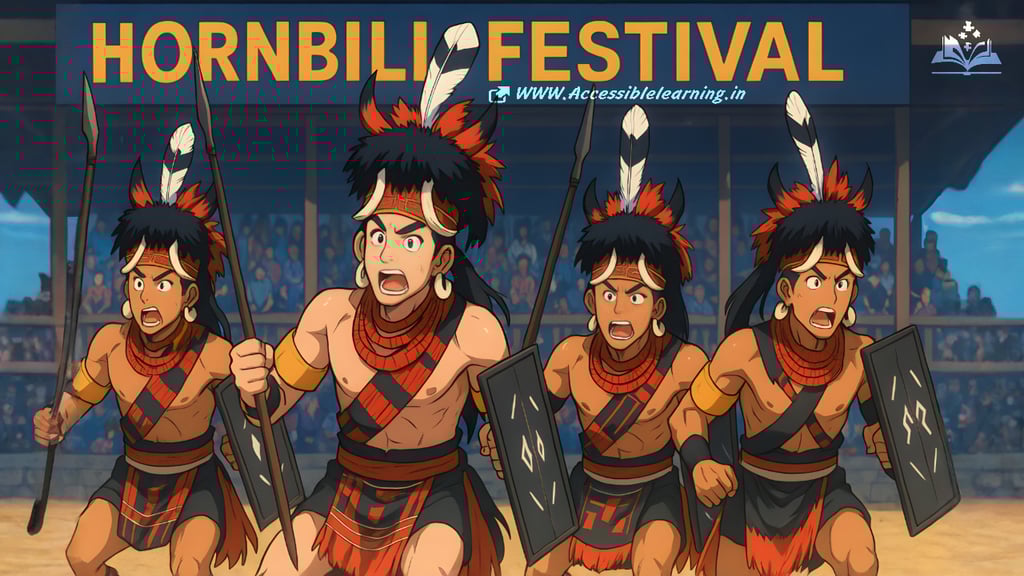
The Hornbill Festival is one of India’s most important cultural gatherings. Every year from December 1 to 10, the tribes of Nagaland come together in Kisama Heritage Village to celebrate their identity through dance, music, costumes, food, and rituals. It’s often called the “Festival of Festivals” because it brings all of Nagaland’s cultural expressions onto one stage.
Why the Festival Holds Deep Meaning
The name comes from the hornbill bird, a creature admired in Naga folklore for its loyalty, beauty, and strength. Many tribes regard it as a spiritual messenger and a symbol woven deep into their traditions. As modernization began replacing old customs, the festival was created so that younger generations could stay connected to their roots.
Expanded Look at the Hornbill Festival Experience
Rich Tribal Rituals and Reenactments
The performances aren’t just entertaining. Many dances reenact real stories, such as:
Warrior initiation
Harvest thanksgiving
Courtship rituals
Victory celebrations
Tribal legends and mythological tales
Some performances also display the traditional headhunting era (purely historical, not practiced now), giving a rare insight into Naga ancestry.
The Soundscape of Nagaland
Along with log drums and war cries, you’ll hear:
Bamboo mouth organs
Traditional trumpets
Wooden wind instruments
Folk songs in more than 15 dialects
Music here is a living archive of emotions, values, and tribal memories.
The Grandeur of Traditional Costumes
Every tribe showcases its identity through distinct patterns. Key elements include:
Hornbill feathers
Boar tusks
Shell and bead jewelry
Hand-woven shawls with symbolic motifs
Spears, daos, and wooden shields
Each ornament tells a story about rank, achievements, or social lineage.
Morungs: The Knowledge Houses
Morungs are traditional community dormitories where young Naga boys were trained in:
Wood carving
Warfare
Clan history
Music
Craftsmanship
Hunting techniques
During the festival, each tribe’s morung becomes a cultural museum. Visitors can watch craftsmen carve wood, weave shawls, and prepare traditional tools.

A True Culinary Expedition
Nagaland’s cuisine is one of India’s most unique. Apart from classics like smoked pork and axone, the festival also offers:
Snail stew
Dried river fish preparations
Naga king chili pickles
Wild mushroom soups
Millet rice cakes
Herbal teas made from medicinal plants
Many dishes are organic, slow-cooked, and fire-smoked, preserving ancient culinary methods.
Marketplace of Authentic Handcrafts
Shops sell handwoven shawls, cane baskets, weapons, tribal paintings, and intricate jewelry. Most products are handmade by rural artisans who rely on the festival for a major part of their income.
Experiencing Indigenous Games
Visitors can enjoy rare games like:
Spear throwing
Stone lifting
Traditional wrestling
Bamboo pole climbing
Fire-making competitions
Tug-of-war between tribes
These activities show the strength, skills, and sportsmanship of the Naga people.
Hornbill International Film Festival & Art Shows
The creative side of Nagaland shines through:
Short films inspired by folklore
Documentaries on tribal life
Exhibitions by local painters and sculptors
Art installations made from bamboo and natural materials
The Electric Night Carnival
Kohima’s streets transform every night with:
Food stalls
Street music
Handcrafted décor
Parades
LED-lit performances
The carnival brings locals and visitors together in a relaxed, festive environment.
The Rock Concerts
One of India’s biggest indie music events happens during this festival. Rock bands, folk fusion artists, and international performers create an unforgettable music experience that blends modern rhythm with tribal soul.
Heritage Conservation Efforts
The festival actively promotes:
Wildlife awareness
Hornbill bird protection
Sustainable tourism
Organic agriculture
Bamboo crafts as eco-friendly alternatives
Travel Tips to Make the Experience Easier
Book stays in Kohima at least 2–3 months early.
Carry warm clothes. Nights can get cold.
Try local homestays for a more immersive experience.
Attend both the opening and closing ceremonies for special performances.
Explore nearby villages like Khonoma, India’s first green village.
Interesting Facts About the Hornbill Festival
The hornbill bird appears in the folklore of almost every Naga tribe, making it a unifying symbol.
The festival features all 17 officially recognized Naga tribes in one place.
It began in 2000 as a small cultural event and quickly became an international festival.
The log drum used during war cries can weigh more than 1,000 kg.
The festival hosts one of Asia’s biggest airsoft and adventure sports events.
December tourism in Nagaland increases by nearly 300% because of the festival.
The Naga shawls displayed here are completely handwoven and can take weeks to months to finish.
The Hornbill International Rock Contest has launched several Indian bands into national fame.
The festival also promotes tribal entrepreneurship through stalls and workshops.
Photography enthusiasts attend the festival from over 30 countries each year.
Subscribe to Frontier Intelligence
All © Copyright reserved by Accessible-Learning Hub
| Terms & Conditions
Accessible Learning Hub — Actionable clarity for high-agency minds.
Weekly breakdowns on AI breakthroughs, capital flow, and human performance systems. Zero fluff.