

Holi: Beyond Colors History, Science, Psychology, and the Changing Face of India’s Most Joyful Festival
Planning to experience Holi in India? This complete traveler’s guide covers safety tips, best cities, hidden traditions, packing lists, and cultural advice.
CULTURE/TRADITIONEVENT/SPECIALTRAVEL LIFEINDIA/BHARATCELEBRATION/FESTIVALS
Jagdish Nishad
2/22/20265 min read
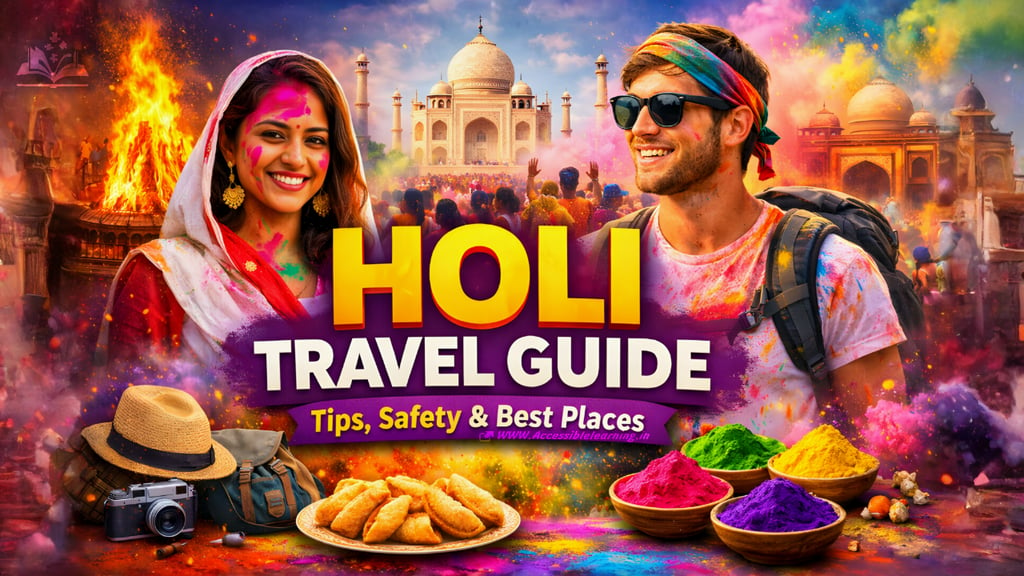
Holi is often described as the “festival of colors,” but that simple phrase barely scratches the surface. Holi is a story of climate science, ancient agricultural rhythms, psychological renewal, social reform, art, mythology, and modern innovation. When you look closely, Holi becomes a living mirror of Indian civilization itself.
Let’s explore Holi in depth, including the lesser-known meanings and insights that most articles miss.
The Visual Joy of Holi
The Real Origins of Holi: It Began With Climate and Crops
Holi didn’t start as just a mythological celebration. It emerged from agricultural science.
Holi comes at the end of winter and the beginning of spring.
In ancient India, this was the time when stored grains were at risk of fungus and pests.
Communities lit bonfires to purify the environment and burn infected crop waste.
This ritual became Holika Dahan, symbolizing purification and protection. So Holi was originally about food security and community survival, not just mythology.
Why Colors Were Thrown: Early Ayurvedic Science
Ancient Holi colors were made from herbs:
Turmeric for skin immunity
Neem for antibacterial protection
Tesu (Palash) flowers for cooling effect
Sandalwood for skin healing
These were not random colors. They were seasonal medicine.
During seasonal change, immunity weakens. Herbal powders protected people from skin infections and respiratory issues. Today, synthetic colors lost that health connection.
Holi as a Social Reset Button
In old India, society had rigid hierarchies. Holi was one day when:
Kings and servants played together
Men and women could tease each other safely
Social boundaries softened
Old grudges were forgiven
Holi functioned as a psychological pressure release valve. Modern psychologists call this a collective catharsis ritual. This explains why Holi songs are playful, teasing, and sometimes mischievous.
Mythology Behind Holi: Symbolism More Than Story
The famous story of Prahlad, Hiranyakashipu, and Holika teaches three deeper truths:
Ego destroys itself.
Faith protects inner strength.
Fire burns false power but saves truth.
But there are many regional Holi myths:
Krishna and Radha’s playful Holi in Braj.
Kama Deva’s rebirth in South India.
Sikh Hola Mohalla martial celebration.
Tribal Holi celebrates forest spirits.
Holi is not one story. It is many cultures merging into one celebration.

Holika Dahan Traditions
Holi and Brain Chemistry
Yes, Holi changes your brain. During Holi:
Physical touch releases oxytocin.
Laughing and singing release dopamine.
Group dancing increases serotonin.
Sunlight improves Vitamin D levels.
This creates emotional bonding and reduces depression. Holi is basically a community mental health festival.
Why Holi Music Feels Different
Traditional Holi songs use rhythms linked to farming cycles. Dhol beats match the rhythm of sowing and harvesting. Lyrics are improvised and teasing. This improves:
creativity
memory
language skills
group coordination
Holi music is ancient improvisational theatre.
Regional Holi Traditions Most People Don’t Know
India celebrates Holi in hundreds of ways:
Lathmar Holi (Barsana): Women playfully hit men with sticks.
Phoolon Ki Holi (Vrindavan): Flowers instead of colors.
Royal Holi (Udaipur): Palace ceremonies.
Hola Mohalla (Punjab): Sikh martial arts festival.
Dol Jatra (Bengal): Swing festival for Krishna idols.
Yaosang (Manipur): Sports + dance Holi.
Kumaoni Khadi Holi: Classical ragas sung in temples.
Holi adapts to local culture without losing its spirit.
The Dark Side of Modern Holi
Many people don’t talk about this. Problems today include:
Chemical colors harming skin and rivers
Water waste in drought areas
Forced participation
Alcohol misuse
Noise pollution
Animal distress
A responsible Holi protects nature and consent. Modern Holi must return to herbal colors and respect.
Eco-Friendly Holi Ideas
You can celebrate Holi beautifully and responsibly:
Use homemade colors from beetroot, turmeric, spinach
Play dry Holi
Celebrate with flowers
Share food with workers or neighbors
Plant trees after Holi
Support local artisans selling organic gulal
This reconnects Holi with its original purpose.
Holi in Global Culture
Holi is now celebrated in:
USA universities
UK parks
Australian festivals
Japan cultural clubs
Africa's Indian diaspora communities
But global Holi often misses its spiritual meaning. India can teach the world about Holi’s deeper values:
"Joy + forgiveness + renewal + unity."
Holi as a Spiritual Practice
Holi teaches three inner lessons:
Burn ego in Holika fire.
Accept colors of life without resistance.
Forgive and start again.
Holi asks a simple question:
“What if you lived without grudges?”

The Future of Holi
Holi is evolving. New trends include:
Organic color startups
Holi tourism experiences
Virtual Holi in the metaverse
Drone photography Holi events
Silent Holi with meditation
Inclusive Holi for elderly and disabled
Tradition is alive because it adapts.
Holi is not just about throwing color. It is about burning negativity, healing the body, bonding with people, celebrating nature, and renewing the spirit.
That’s why Holi has survived thousands of years. Because Holi is not a festival. Holi is a reminder that life itself is colorful.
FAQ's
Q: When Is Holi Celebrated?
Holi happens on the full moon day in the Hindu month of Phalguna, usually in March. There are two main events:
Holika Dahan (night before): Bonfires and rituals
Rangwali Holi (main day): Colors, music, celebration
Tip: Many places celebrate for several days.
Q: Where Is the Best Place to Experience Holi?
Each city offers a different vibe.
Spiritual Holi: Vrindavan and Mathura
Cultural + Royal Holi: Udaipur & Jaipur
Fun Party Holi: Goa beach events and Mumbai private parties
Traditional Village Holi: Barsana (Lathmar Holi)
Choose based on comfort level.
Q: Is Holi Safe for Foreign Travelers?
Yes, if you take precautions. Important safety tips:
Stay in groups
Avoid isolated streets
Choose family-friendly events
Say no firmly if uncomfortable
Book trusted hotel celebrations
India is welcoming, but crowds can get overwhelming.
Q: What Should I Wear During Holi?
Wear:
Old white cotton clothes
Closed shoes or sandals
Sunglasses
Scarf for hair protection
Avoid expensive clothes or leather items. Colors can stain permanently.
Q: How Do I Protect My Skin and Hair?
Before going out:
Apply coconut oil or moisturizer on skin
Oil your hair
Use sunscreen
After Holi:
Use mild soap
Avoid scrubbing hard
Herbal colors wash off easily. Chemical ones don’t.
Q: Are Holi Colors Safe?
Not always. Some powders contain:
Heavy metals
Industrial dyes
Glass particles
Buy organic gulal from trusted shops. Or join events that use herbal colors.
Q: Do People Throw Water and Eggs?
Yes, in some places. But respectful events avoid harmful behavior.
Tip: Ask locals or hotel staff about the vibe before going out.
Q: Can Women Travelers Enjoy Holi Safely?
Yes, with awareness. Best advice:
Join organized events
Stay with friends
Avoid overcrowded streets
Trust your instincts
Places like Vrindavan temple Holi or hotel Holi parties are safer.
Q: What Happens During Holika Dahan?
People light bonfires symbolizing the victory of good over evil. Travel tip:
Respect rituals
Don’t throw plastic into fires
Ask before taking photos
It’s a spiritual moment.
Q: Will Shops and Transport Be Open?
Mostly closed on Holi day. Expect:
Limited taxis
Closed markets
No alcohol sales in some states
Plan food and travel one day before.
Q: How Expensive Is Holi Travel?
Prices increase near Holi. Budget tips:
Book hotels 2–3 months early
Avoid last-minute flights
Choose homestays
Vrindavan hotels sell out quickly.
Q: Can I Carry My Camera or Phone?
Yes, but protect them. Use:
Waterproof pouch
Plastic cover
Cheap backup phone
Colored powder can damage lenses.
Q: How Do I Respect Local Culture?
Do:
Ask before applying color
Say “Happy Holi” politely
Dress modestly
Don’t:
Force color on strangers
Mock rituals
Wastewater
Consent matters during Holi.
Q: What Food Is Special During Holi?
Popular Holi foods include:
Gujiya sweets
Thandai drink
Malpua pancakes
Dahi bhalla snacks
Some thandai contains bhang (cannabis). Ask before drinking.
Q: What Are Lesser-Known Holi Experiences Travelers Love?
Unique ideas:
Flower Holi in Vrindavan temples
Classical music Holi in Kumaon villages
Desert Holi in Rajasthan camps
Tribal Holi in Madhya Pradesh forests
These are calmer and more authentic.
Q: What Should I Pack for Holi Travel?
Checklist:
Old clothes
Sunscreen
Moisturizer
Small backpack
Waterproof pouch
Cash (ATMs may close)
Wet wipes
Simple packing makes Holi easy.
Q: How Do I Remove Holi Color Easily?
Use:
Coconut oil
Gram flour paste
Mild shampoo
Avoid bleach or harsh scrubbing. Colors fade naturally in a few days.
Q: Can I Celebrate Holi Without Colors?
Yes. Try:
Holika Dahan prayer
Temple bhajans
Cultural dance shows
Flower Holi
Charity volunteering
Holi is about joy, not just color.
Subscribe To Our Newsletter
All © Copyright reserved by Accessible-Learning Hub
| Terms & Conditions
Knowledge is power. Learn with Us. 📚

