

Harballabh Sangeet Sammelan: History, Significance and Complete Guide
Harballabh Sangeet Sammelan is one of India’s oldest and most respected classical music festivals, held every December in Jalandhar. It celebrates pure Hindustani classical traditions, featuring top maestros, emerging artists and devotional performances that date back to 1875. This guide covers its history, structure, cultural impact and what makes the festival a timeless musical legacy.
CULTURE/TRADITIONEVENT/SPECIALINDIA/BHARATCELEBRATION/FESTIVALS
Keshav Jha
12/19/20254 min read
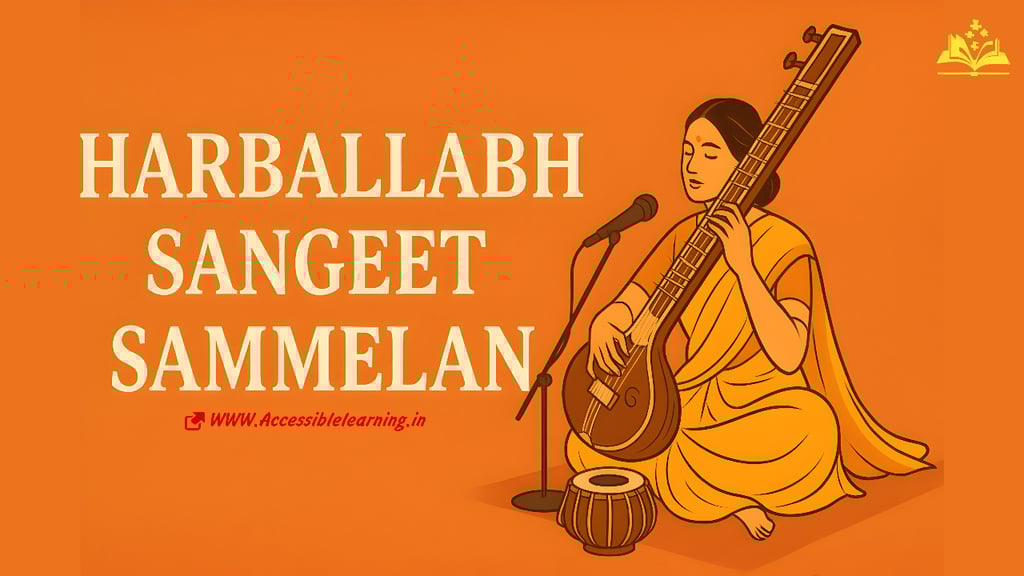
Harballabh Sangeet Sammelan is more than a music festival. It’s a 149-year-old cultural institution that continues to shape the landscape of Indian classical music. Held every December in Jalandhar, Punjab, the festival attracts thousands of listeners, respected maestros and upcoming artists from across the world.
It stands tall as one of the world’s oldest classical music gatherings that has never missed a year since its inception.
A Deeper Look at Its Origins
The festival was started in 1875 by followers of Baba Harballabh, a spiritual saint and classical musician known for his devotion to sur and taal. His approach to music was rooted in bhakti, which shaped the festival’s identity. At that time, classical music didn’t have many public festivals. Harballabh became a pioneer, providing a platform where music could be appreciated outside royal courts and private mehfils.
Over time it evolved from a small devotional tribute to a global event recognized by top musicians, scholars and cultural organizations.
The Structure of the Festival
The Sammelan usually runs for three days, although earlier versions lasted even longer. Performances follow a traditional progression:
Early Morning Sessions
Morning ragas are performed by vocalists and instrumentalists. These sessions attract serious listeners, students and researchers.
Afternoon and Evening Sessions
More elaborate performances take place here, including jugalbandis and full-length renditions of major ragas.
Late-Night Performances
Some of the most memorable concerts are held after midnight. Night ragas, rhythmic explorations and long improvisational segments create a unique atmosphere that only this festival still preserves.
Who Performs at Harballabh?
Artists come from every major gharana and instrumental tradition. Performers fall into three main categories:
Established Maestros
World-famous names who carry decades of experience.
Mid-Career Artists
Recognized musicians who are building their legacy.
Emerging Talents
Young artists selected through strict screening and competitions. Harballabh is one of the few festivals where new musicians can share the stage with legends.
It’s not uncommon to see Dhrupad singers, sitar players, sarod maestros, violinists, tabla virtuosos, Carnatic artists and vocalists all performing under the same banner.
Special Features That Set It Apart
Dhrupad and Khayal Coexist Here
Many festivals focus only on one stream of classical music. Harballabh maintains a balanced lineup featuring:
Dhrupad
Khayal
Thumri
Bhajan
Instrumental solo and ensemble acts
This variety preserves the true spirit of Indian classical music.
Exclusive Focus on Authenticity
No Bollywood adaptations. No fusion. No commercial numbers.
Artists strictly perform classical formats, which protects the tradition from dilution.
Gurukul Atmosphere
Unlike modern concert halls, Harballabh maintains a serene, devotional setup. Many artists consider the stage sacred and treat their performance as a musical offering.
Zero Ticket Fees for the Audience
Entry has always been free or nominal.
This reflects its founding philosophy: music is for everyone.
Multi-Generational Audience
You see grandparents, students, families, musicians, researchers and foreigners sitting together. Some families have attended the festival for over five generations.
How Artists Are Selected
The selection committee includes:
senior musicians
music scholars
long-time patrons
festival trustees
Applications arrive from across India. Performers are evaluated on:
classical purity
training and discipline
stage experience
contribution to music
future potential (for young artists)
This careful curation has kept the festival’s quality consistently high.
Contribution to Education and Research
Harballabh is a learning hub. During the festival period:
music students meet their idols
workshops are held at local music schools
researchers attend to document rare ragas
historians interview artists and organizers
These interactions create a living archive of knowledge that strengthens classical music education.
Technological and Organizational Evolution
While the Sammelan began with lantern-lit stages and manual amplification, today it uses:
high-quality sound engineering
dedicated recording units
LED screens for large crowds
livestreaming on digital platforms
social media outreach
digital archiving of past performances
These upgrades help the festival connect with younger audiences without compromising tradition.
Economic and Cultural Impact on Jalandhar
The festival transforms the city for a few days. It brings:
tourism
local business boosts
media attention
cultural pride
global visibility for Punjab’s art heritage
Hotels, markets and transport services see a noticeable rise in activity during the event.
Global Recognition
Several international musicians and scholars have participated or attended the festival. Harballabh has been acknowledged by cultural bodies in:
UK
USA
Canada
Japan
Germany
France
Many global universities reference it when teaching Indian classical traditions.
A Festival That Lives Through Its Audience
What keeps Harballabh alive is not just the artists. It’s the audience.
They sit for hours, sometimes on cold December nights, simply to listen.
No distractions. No hurry. Just pure appreciation for art.
Listeners often say they attend not just to hear music, but to experience peace.
Why the Festival Still Matters Today
In a world of fast content and short attention spans, Harballabh stands as a reminder of slow, meaningful engagement with art.
It teaches patience, discipline and the emotional depth of classical music.
For newcomers, it offers an easy entry into a rich musical heritage.
For musicians, it remains a prestigious platform.
For India, it is a cultural treasure that deserves preservation.

FAQs
Q: What is Harballabh Sangeet Sammelan?
It’s an annual Indian classical music festival held in Jalandhar, known for its pure Hindustani classical performances and more than 145 years of continuous legacy.
Q: When did the festival begin?
The festival started in 1875 in memory of Baba Harballabh, a saint and classical musician.
Q: Where is the festival held?
It is organized at Devi Talab Mandir, Jalandhar, Punjab.
Q: Which artists usually perform here?
The stage hosts vocalists and instrumentalists from top gharanas, including legendary artists as well as selected young talents.
Q: Is the festival open to everyone?
Yes. Entry is free or nominal, keeping with its tradition of making classical music accessible to all.
Q: How many days does the Sammelan run?
It usually runs for three days, with morning, evening and late-night sessions.
Q: Does the festival include fusion or commercial music?
No. Harballabh focuses strictly on classical forms like Dhrupad, Khayal, Thumri and traditional instrumental performances.
Q: Is the event livestreamed?
In recent years, the festival has been broadcast digitally to reach audiences who cannot attend in person.
Q: What makes this festival unique?
Its authenticity, devotional atmosphere, multi-generational audience and long-standing tradition of promoting classical purity make it stand out.
Q: Why is Harballabh important for students of music?
Students can observe master artists closely, attend workshops and gain exposure to rare ragas and performance techniques.
Subscribe to Frontier Intelligence
All © Copyright reserved by Accessible-Learning Hub
| Terms & Conditions
Accessible Learning Hub — Actionable clarity for high-agency minds.
Weekly breakdowns on AI breakthroughs, capital flow, and human performance systems. Zero fluff.