

Grand Sumo Tournament (Hatsu Basho) in Tokyo: The Ritual That Starts the Sumo Year
The Grand Sumo Tournament (Hatsu Basho) in Tokyo marks the powerful beginning of Japan’s sumo year. Held every January at the historic Ryōgoku Kokugikan, this iconic event blends ancient ritual, elite competition, and deep cultural meaning. From Yokozuna pressure to timeless ceremonies, Hatsu Basho offers an authentic look into the heart of Japanese tradition and sport.
CULTURE/TRADITIONEVENT/SPECIALJAPANCELEBRATION/FESTIVALS
Kim Shin
1/4/20264 min read
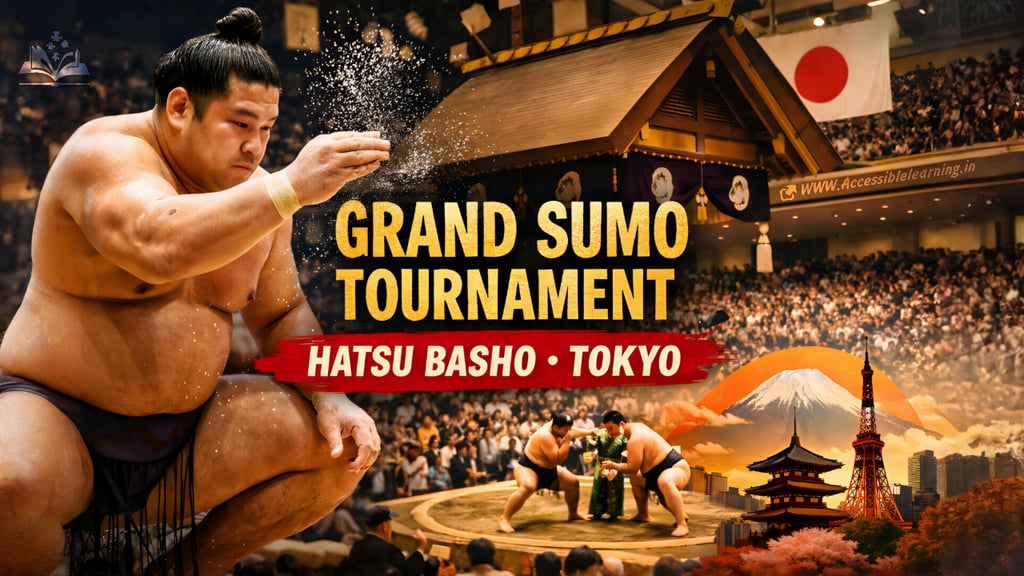
Every January, as Japan welcomes a new year, Tokyo hosts one of the most meaningful sporting events in the country: the Grand Sumo Tournament, widely known as Hatsu Basho. This tournament is not only the first official sumo competition of the year but also a symbolic reset for wrestlers, fans, and the entire sumo world. Victories here carry emotional weight, reputational value, and long-term consequences.
Hatsu Basho is where tradition meets pressure and where history quietly begins writing itself again.
Origins and Historical Significance
Sumo has roots stretching back more than 1,500 years, originally performed as a ritual to entertain the Shinto gods and pray for good harvests. Over time, these ceremonial contests evolved into a structured professional sport.
The Hatsu Basho emerged as a New Year tournament that embodied renewal and fortune. Winning in January was believed to bring good luck and stability throughout the year, a belief that still influences how wrestlers and fans view the event today.
Tournament Structure Explained
The Grand Sumo Tournament lasts 15 days, with each wrestler competing once per day.
Key structural elements include:
Wrestlers aim for a kachi-koshi (8 or more wins), which guarantees promotion or rank stability
A make-koshi (7 or fewer wins) leads to demotion
Final rankings are calculated strictly based on wins and losses
There are no judges’ scores or subjective elements
This clear structure makes sumo brutally honest. Performance alone determines success.
Daily Schedule at Hatsu Basho
A full day at Ryōgoku Kokugikan follows a traditional rhythm:
Morning: Lower divisions begin bouts
Early afternoon: Mid-ranked wrestlers compete
Late afternoon to evening: Top division matches
Final bouts often feature Yokozuna and Ōzeki
Many experienced fans arrive early to absorb the atmosphere, watch rituals, and follow the rising wrestlers of tomorrow.
Wrestlers’ Life Before the Tournament
Preparation for Hatsu Basho is intense.
In December, wrestlers:
Train daily in sumo stables known as heya
Follow strict diets to maintain strength and mass
Observe hierarchical living rules within their stable
Participate in regional exhibitions and ceremonial events
For many wrestlers, January determines whether their hard work pays off or whether they face a difficult year ahead.
Yokozuna Pressure at Hatsu Basho
For Yokozuna, the highest rank in sumo, Hatsu Basho is especially demanding.
Unlike other wrestlers:
Yokozuna can never be demoted
Repeated poor performances often lead to retirement
They are expected to display dignity and dominance at all times
A weak showing in January sparks public debate, media scrutiny, and pressure from the Japan Sumo Association.
Foreign Wrestlers and Global Influence
Modern Hatsu Basho reflects sumo’s global reach.
Wrestlers from:
Mongolia
Eastern Europe
The Pacific Islands
have played major roles in recent decades. Their presence has raised competition levels and introduced new fighting styles, while still respecting traditional Japanese customs.
This international influence has helped sumo gain worldwide attention without losing its cultural core.
Unique Rules Casual Fans Often Miss
Sumo has many lesser-known rules that add complexity:
Pulling hair or eye contact manipulation is forbidden
Only certain grip techniques are legal
The referee’s decision can be overturned by ringside judges
Bouts rarely last more than a minute, but some end instantly
Understanding these rules makes watching Hatsu Basho far more engaging.
Ceremonial Highlights During the Tournament
Several moments stand out beyond regular matches:
Yokozuna Dohyō-iri: The grand ring-entering ceremony
Special clapping rituals to ward off misfortune
Bow-twirling ceremonies performed by referees at the end of the day
Retirement announcements and emotional farewells
These moments remind spectators that sumo values dignity as much as competition.

Media Coverage and Fan Culture
Hatsu Basho enjoys massive domestic coverage and growing international streaming access.
Fan culture includes:
Tracking daily win-loss charts
Following stable rivalries
Collecting official wrestler towels and banners
Debating rankings and promotion possibilities
Sumo fans are deeply analytical, and January discussions often shape narratives for the entire year.
Why Tourists Are Drawn to Hatsu Basho
For visitors, Hatsu Basho offers something rare: a cultural experience that is not staged for tourists.
Unlike festivals or shows:
The event exists primarily for the sport itself
Foreign visitors are welcomed but not catered to artificially
Authentic behavior and silence during bouts are respected
This authenticity is what makes attending so memorable.
The Lasting Impact of the January Tournament
The Grand Sumo Tournament in Tokyo influences:
Wrestler careers and rankings
Media narratives for the year
Stable prestige and recruitment
Fan expectations and rivalries
By the time the final bout ends, the direction of the sumo year is already clear.
Hatsu Basho is not just the first tournament on the calendar. It is the emotional and cultural foundation of professional sumo. Each stomp on the clay ring echoes centuries of belief, discipline, and honor.
For anyone curious about Japan, tradition, or the psychology of elite competition, the Grand Sumo Tournament in Tokyo offers a rare and powerful insight into a world that continues to move forward without letting go of its past.
FAQ's
Q: What is the Hatsu Basho in sumo wrestling?
The Hatsu Basho is the first Grand Sumo Tournament of the year, held every January in Tokyo. It marks the official start of the professional sumo season and plays a major role in determining wrestler rankings for the rest of the year.
Q: Where is the Grand Sumo Tournament in Tokyo held?
The Hatsu Basho takes place at the Ryōgoku Kokugikan, Tokyo’s iconic sumo arena. This venue is considered the spiritual home of sumo wrestling and hosts major tournaments, ceremonies, and exhibitions.
Q: How long does the Hatsu Basho tournament last?
The tournament lasts 15 consecutive days. Wrestlers compete once per day, and their total number of wins and losses directly affects their rank in future tournaments.
Q: Why is the January sumo tournament so important?
Because it is the first tournament of the year, Hatsu Basho sets the tone for a wrestler’s entire season. Strong performances often lead to promotions, while poor results can result in demotion or increased pressure.
Q: Can tourists attend the Grand Sumo Tournament?
Yes, tourists are welcome to attend Hatsu Basho. Tickets can be purchased in advance, and visitors are encouraged to arrive early to experience the full day of matches and traditional ceremonies.
Q: What makes Hatsu Basho different from other sumo tournaments?
Hatsu Basho carries symbolic importance as a New Year event. It combines competitive intensity with ceremonial meaning, making it one of the most closely watched and emotionally significant tournaments in the sumo calendar.
Q: Are there ceremonies during the Grand Sumo Tournament?
Yes, Hatsu Basho includes traditional rituals such as the Yokozuna ring-entering ceremony, salt purification, and formal closing bows, all rooted in Shinto tradition.
Q: How can beginners understand sumo matches better?
Beginners should focus on simple rules: a wrestler wins by forcing the opponent out of the ring or making them touch the ground. Learning basic rituals and ranks also makes watching the tournament more enjoyable.
Subscribe to Frontier Intelligence
All © Copyright reserved by Accessible-Learning Hub
| Terms & Conditions
Accessible Learning Hub — Actionable clarity for high-agency minds.
Weekly breakdowns on AI breakthroughs, capital flow, and human performance systems. Zero fluff.